


The new energy management quirks reshaping F1 qualifying in 2026
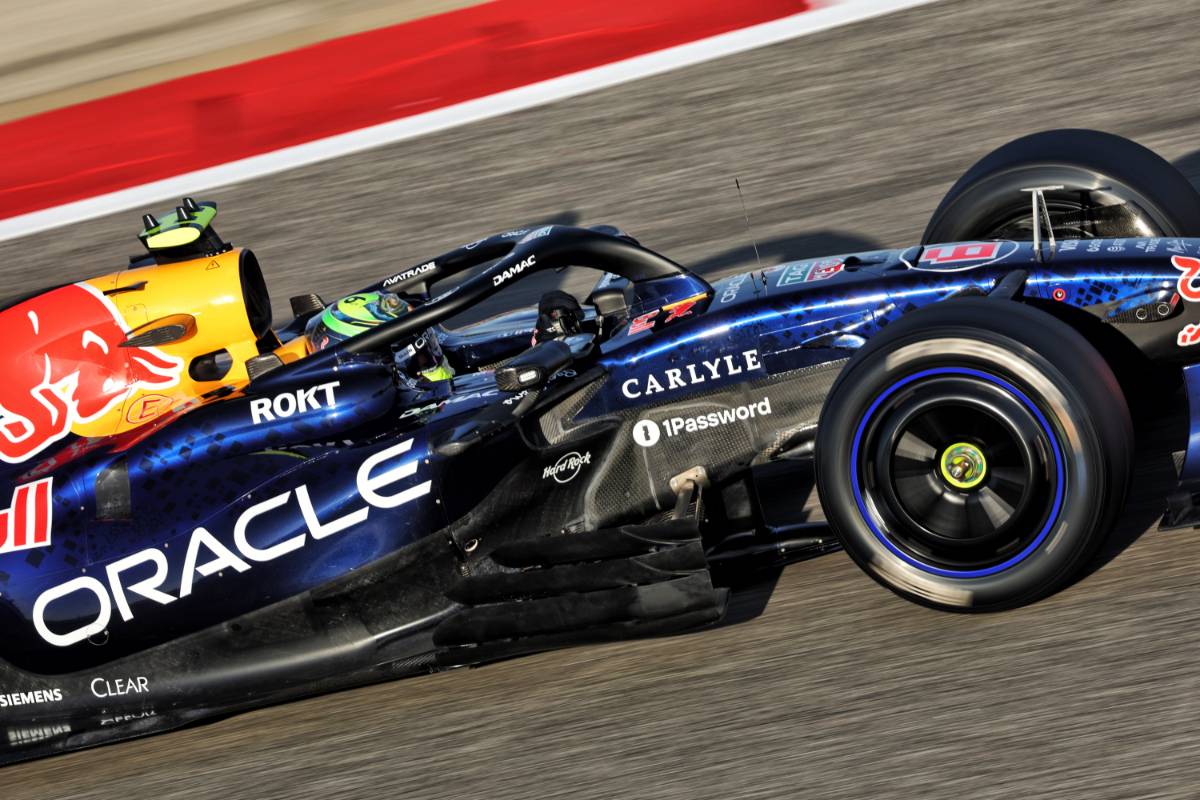
Formula 1's 2026 cars are forcing a radical rethink of qualifying strategy, with drivers no longer able to attack a flying lap flat-out due to strict energy management. Key tactics like easing off the throttle on the final corner exit, using 'lift-and-coast' mid-lap, and potentially running two preparation laps are emerging as critical to securing grid position, fundamentally altering the traditional shootout for pole.
Why it matters:
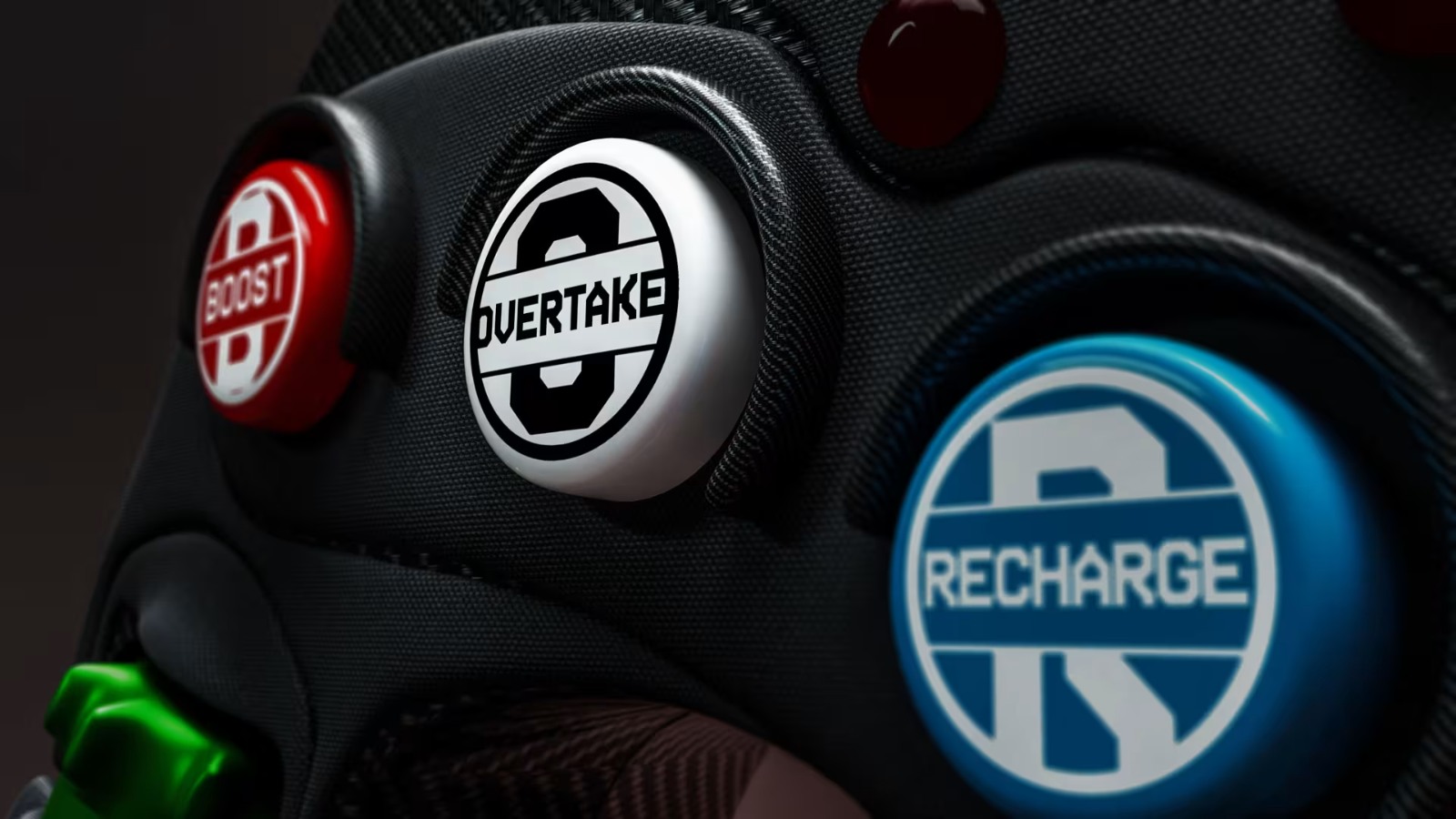
Qualifying has historically been about pure, unadulterated speed over a single lap. The 2026 regulations shift this paradigm, making energy harvesting and deployment a primary performance differentiator. Success will now depend as much on strategic battery management as on driver skill and car aerodynamics, potentially deciding pole position at certain tracks and adding a complex new layer to the Saturday spectacle.
The Details:
- Final Corner Compromise: Drivers can no longer take a traditional flat-out exit from the final corner before a timed lap. Using full throttle too early drains the battery, costing time later. Instead, they must cautiously accelerate from a pre-determined point to balance initial speed against having more battery available for the main straight.
- Not Driving Flat-Out: The concept of a perfect, maximum-attack qualifying lap is gone. Drivers may need to employ 'super clipping' (harvesting energy at full throttle) or 'lift-and-coast' tactics mid-lap to gather energy, sacrificing time in one corner to gain a greater advantage with a battery boost elsewhere.
- Battery vs. Tyre Trade-Off: Maximizing battery charge for the start of the lap requires careful harvesting on the preparation lap, which often means driving slowly in the final sector. This can cool the tyres out of their optimal temperature window, risking that time gained from battery management is lost from poor tyre preparation.
- Double Preparation Laps: To solve the battery-tyre conundrum, teams are exploring using two preparation laps: one to heat the tyres and another to fine-tune the battery charge. However, this is complicated by increased track traffic with 22 cars and may not be feasible at every circuit.
- Tyre Blanket Tricks: An alternative to extra laps is manipulating tyre blanket temperatures. Teams could lower the temperature on one axle (e.g., the rears) to better balance front and rear tyre temps after an outlap, providing more flexibility in preparation strategy.
The Big Picture:
While energy management is the new, dominant variable, the foundational elements of F1 still apply. Ferrari Team Principal Fred Vasseur emphasized that traditional factors like outlap execution and tyre preparation, which previously caused lap time swings of six or seven tenths, remain critically important. The challenge for teams is integrating the new energy puzzle without forgetting these core principles. Tracks with fewer braking zones for harvesting, like Melbourne and Jeddah early in the season, will provide the sternest test and could see pole decided by who harvests the most energy, not who is fastest through the corners.
What's next:
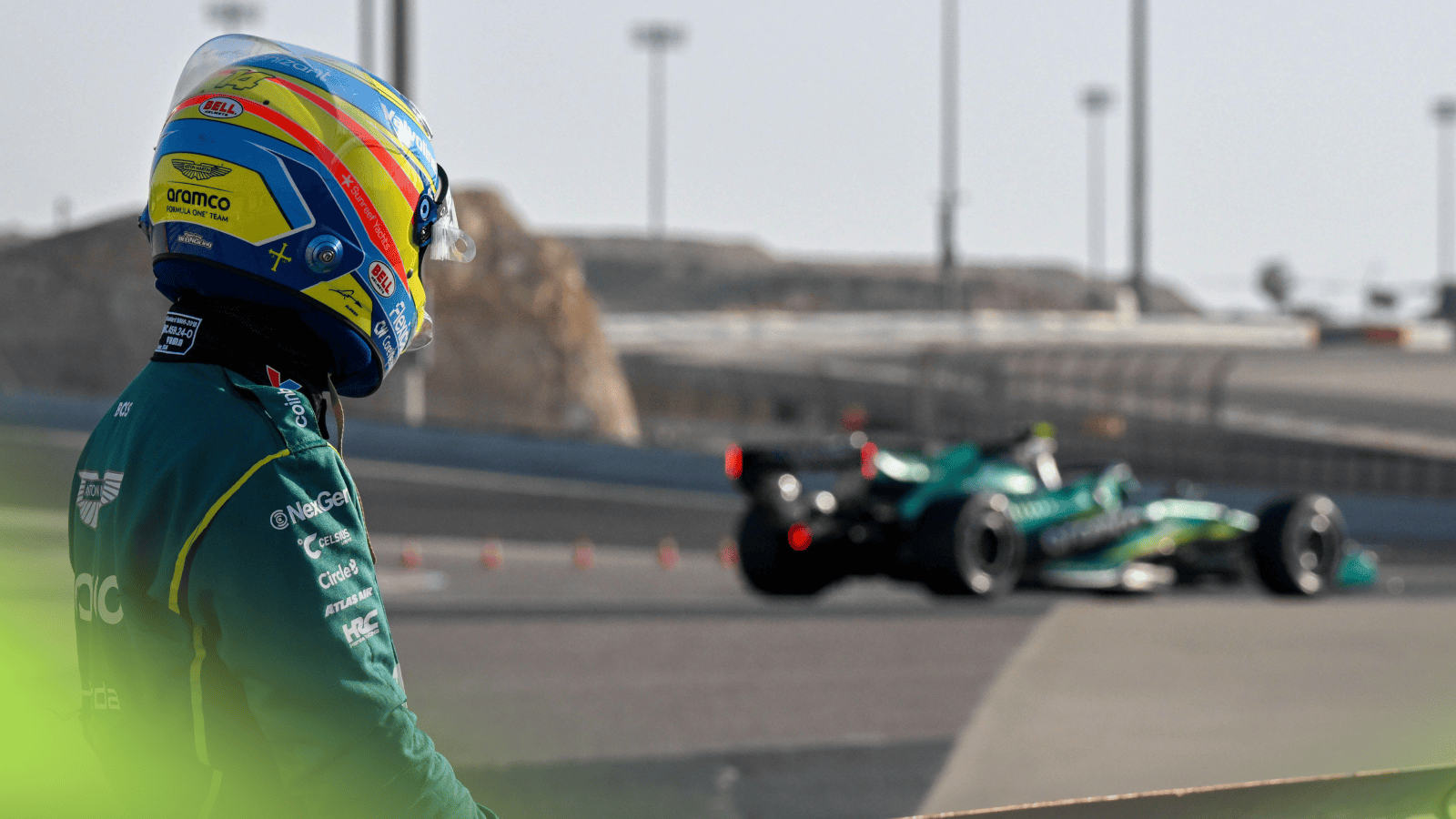
Pre-season testing in Bahrain only offered a first glimpse, as its layout is relatively friendly for energy recovery. The true extent of the qualifying revolution will be revealed at the low-energy circuits on the calendar. Teams will enter the early races with competing theories on the optimal one-lap strategy, leading to potentially significant performance variances and a qualifying hour filled with even more strategic tension and unpredictability than before.
Original Article :https://www.the-race.com/formula-1/all-the-qualifying-quirks-f1-teams-will-be-gr...