





Honda Admits Double Handicap in Troubled Start with Aston Martin
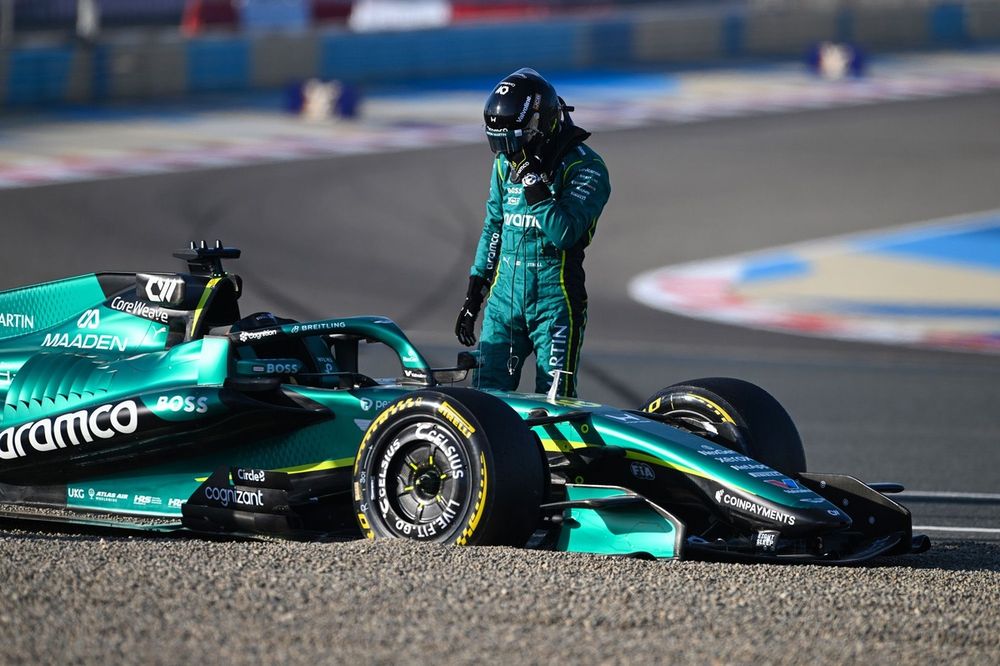
Honda's return to Formula 1 as a full-time power unit supplier for Aston Martin has been hampered by a delayed development start and the sport's new cost cap, creating a significant challenge from the outset. The partnership's troubled beginning was highlighted by limited running and technical issues during pre-season testing, putting the team on the back foot before the first race.
Why it matters:
Honda's ability to overcome this dual handicap is critical for Aston Martin's ambitions to become a consistent front-runner. After a promising 2023 season, the team needs a competitive and reliable power unit to challenge the top teams. Furthermore, Honda's struggle under the new financial regulations offers an early test case for how the engine cost cap will shape development wars and potentially level the playing field among manufacturers.
The details:
- A Rocky Start: The Aston Martin-Honda partnership faced immediate operational hurdles. The team's shakedown running was minimal, and pre-season testing in Bahrain was repeatedly curtailed by niggling issues, culminating in a severely limited final day due to a battery problem and a parts shortage.
- The Lap Deficit: The impact was stark in the mileage numbers. While rivals like Mercedes completed 432 laps over the three-day test, Aston Martin managed only 128, leaving them with a substantial data deficit.
- The Double Handicap: Honda's Head of Power Unit Development, Tetsushi Tsunoda, outlined two key structural disadvantages:
- Delayed Start: Honda confirmed its 2026 return in late 2022, a year after rivals like Audi, Ferrari, and Mercedes had begun their next-generation programs.
- The Cost Cap Wall: By the time Honda began full-scale development, F1's engine manufacturer cost cap was in effect for 2023. Rivals had enjoyed a period of unrestricted spending in 2022 to "sow a lot of seeds" with various development concepts, an advantage Honda did not have.
- A New Reality: Tsunoda noted the era of unlimited resource allocation, like the previous "Honda+" project, is over. Development must now be more focused and efficient, unable to pursue every possible avenue simultaneously.
What's next:
Despite the challenging start, Honda has a history of remarkable recovery, famously evolving from Fernando Alonso's "GP2 engine" criticism in 2015 to a title-winning power unit by 2021. The manufacturer believes it can find the key to success again, but the path will be different under financial constraints. The focus for Aston Martin will be on reliability and extracting performance from the current package, while Honda's long-term 2026 project operates within its new budgetary reality. Their progress will be a key narrative to watch, testing whether the cost cap achieves its goal of creating closer competition.
Original Article :https://www.planetf1.com/news/honda-f1-return-handicap-cost-cap-aston-martin-202...