




The 1992 Brazilian GP: A stark tale of F1's haves and have-nots
The 1992 Brazilian Grand Prix laid bare Formula 1's brutal competitive hierarchy, where Williams' technological dominance with the FW14B contrasted sharply with the chaotic struggles of teams like McLaren, Andrea Moda, and Brabham. While Nigel Mansell led a Williams one-two, the weekend was defined by McLaren's unprecedented six-car gamble backfiring, Perry McCarthy's super licence being revoked, and Giovanna Amati's final, failed attempt to qualify, marking the last time a woman entered an F1 weekend.
Why it matters:
This race serves as a powerful historical snapshot of F1's extremes—the pinnacle of engineering excellence versus the perilous struggle for survival at the back. It underscores how financial disparity, regulatory hurdles, and technological gaps have long defined careers and team fortunes, themes that remain relevant in the sport's modern era.
The Details:
The 1992 season's third round at Interlagos was a masterclass in contrast, with several key stories unfolding simultaneously.
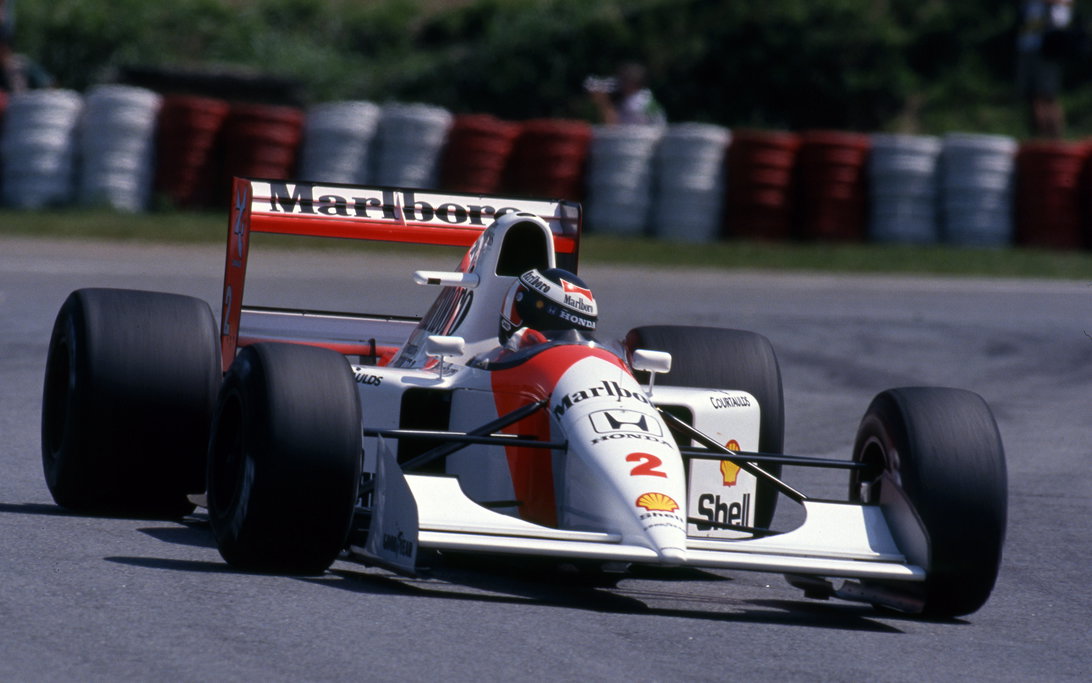
- McLaren's Six-Car Gamble: Faced with reliability issues in their new MP4/7A, McLaren took the extraordinary step of bringing six cars to Brazil—three of the new model and three of the older MP4/6B. The strategy failed spectacularly. Ayrton Senna retired with engine issues on lap 18, while Gerhard Berger, forced to start in an old car due to a gearbox fault, lasted only four laps before overheating. For a team accustomed to winning with new cars, it was a significant low point.
- Perry McCarthy's Licence Farce: British driver Perry McCarthy, having secured a super licence at great personal cost to race for the struggling Andrea Moda team, had it physically confiscated by the FIA after failing to set a time in pre-qualifying. The revocation was on a technicality, as his car broke down after just two laps. While Bernie Ecclestone later intervened to reinstate it, McCarthy's weekend was over before it began, highlighting the bureaucratic challenges facing backmarker drivers.
- Giovanna Amati's Final Attempt: Driving for the uncompetitive Brabham team, Italian driver Giovanna Amati was over 10 seconds off the pace in both pre-qualifying and the main sessions. Her failure to qualify in Brazil was her third in a row, leading to her contract being terminated immediately. This marked the end of her F1 career and, to date, the last attempt by a woman to qualify for a Grand Prix.
The Big Picture:
The 1992 Brazilian GP crystallized the technological chasm of the early '90s. Williams' FW14B, with its active suspension and traction control, was in a different league, lapping the entire field except for the podium finishers. Meanwhile, the plight of the smaller teams was dire. Andrea Moda, run by a shoe designer with no racing experience, was a case study in dysfunction, leading to its eventual expulsion from F1 later that year. The weekend remains a poignant reminder of the sport's relentless meritocracy and the human stories of ambition and failure that play out within it.
Original Article :https://racingnews365.com/mclaren-bring-six-f1-cars-as-fia-bar-british-driver-fr...