


Storytelling vs authenticity: The Drive to Survive debate
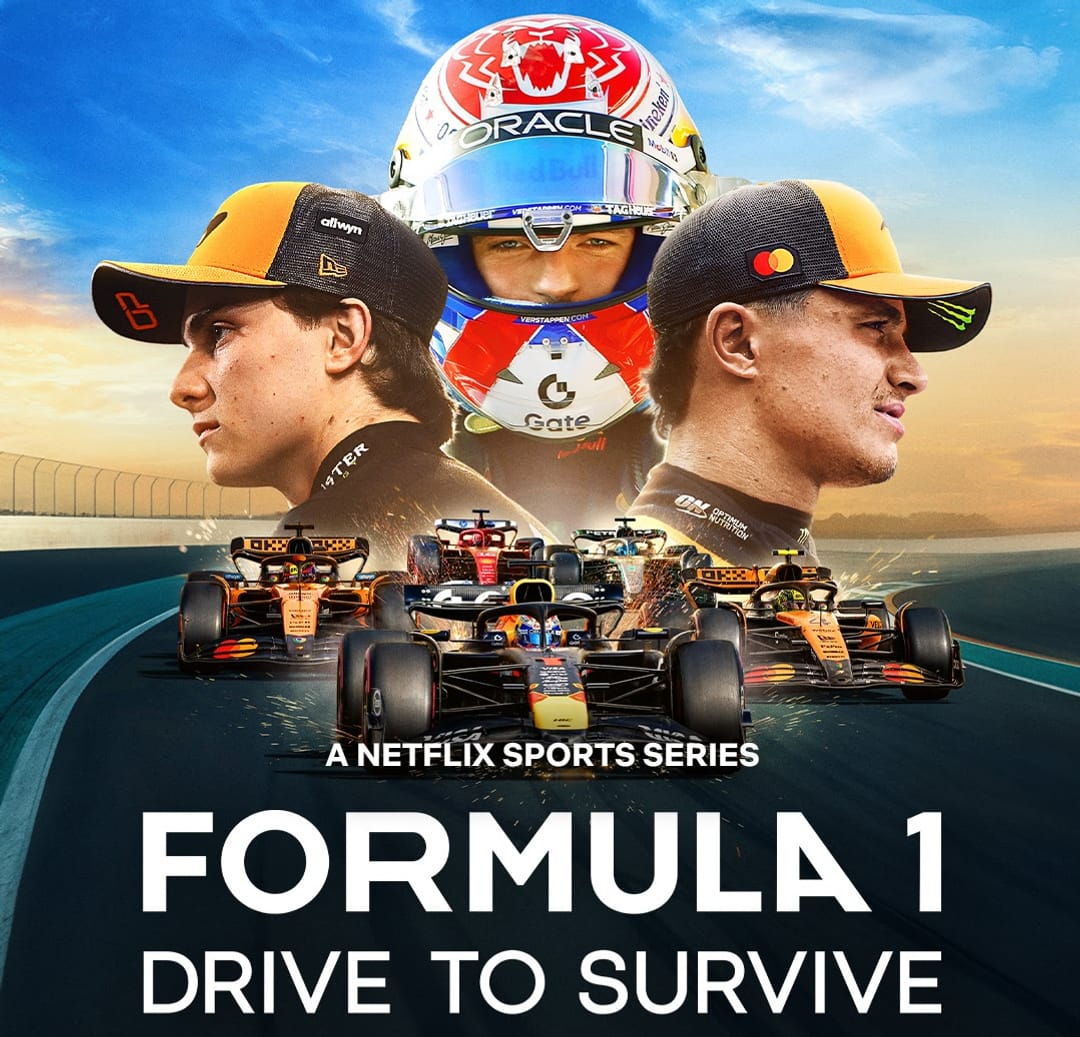
As Netflix's 'Drive to Survive' enters its eighth season, a panel of F1 journalists debates its evolution, questioning whether its heavily produced, reality-TV style storytelling undermines its authenticity and does a disservice to the sport it aims to promote.
Why it matters:
The series is credited with dramatically expanding F1's global fanbase, but its approach raises fundamental questions about how the sport is presented to new audiences. The tension between manufactured drama and journalistic integrity speaks to a larger conflict within modern sports media between pure entertainment and authentic representation.
The details:
The panel discussion revealed a clear split in how experts perceive the Netflix series:
- The Scripted Reality Critique: Val Khorounzhiy argued the show is "horribly transparent" in its scripting, creating dialogue that feels artificial and flat, like "you've asked an AI... to generate a dialogue." He contends it presents an altered version of F1 because "F1 as it is in reality sucks; [so] here's an F1 that doesn't suck."
- The 'Authentic' Advert: Edd Straw highlighted that F1 itself views the series as an advertisement, not a documentary, despite its Netflix categorization. He criticized the sport's attempt to "manufacture the best authenticity we possibly can," seeing it as a contradiction that undermines genuine storytelling.
- The Reality-TV Defense: Charley Williams offered a contrasting, mainstream viewer perspective, stating "it's just not that deep." She views it as effective reality television, allowing her to separate the dramatized version from the real sport she follows, often finding the inaccuracies more humorous than angering.
- A Fundamental Divide: The core debate hinges on whether there is an inherent tension between storytelling and journalistic truth in sports coverage. The panel at The Race rejects this tension, believing the sport can be covered both objectively and interestingly, making Drive to Survive's approach feel unnecessary.
The big picture:
'Drive to Survive' sits at the intersection of sports, entertainment, and brand marketing. Its success has undeniably changed F1's commercial landscape, but it has also created two parallel narratives of the sport: one for dedicated fans following the real-time competition and another, more dramatized version for a broader entertainment audience. The series' legacy will be its role in popularizing F1, but its method continues to fuel debate about the price of that popularity in terms of sporting authenticity.
Original Article :https://www.the-race.com/formula-1/netflix-f1-drive-to-survive-storytelling-vs-a...