





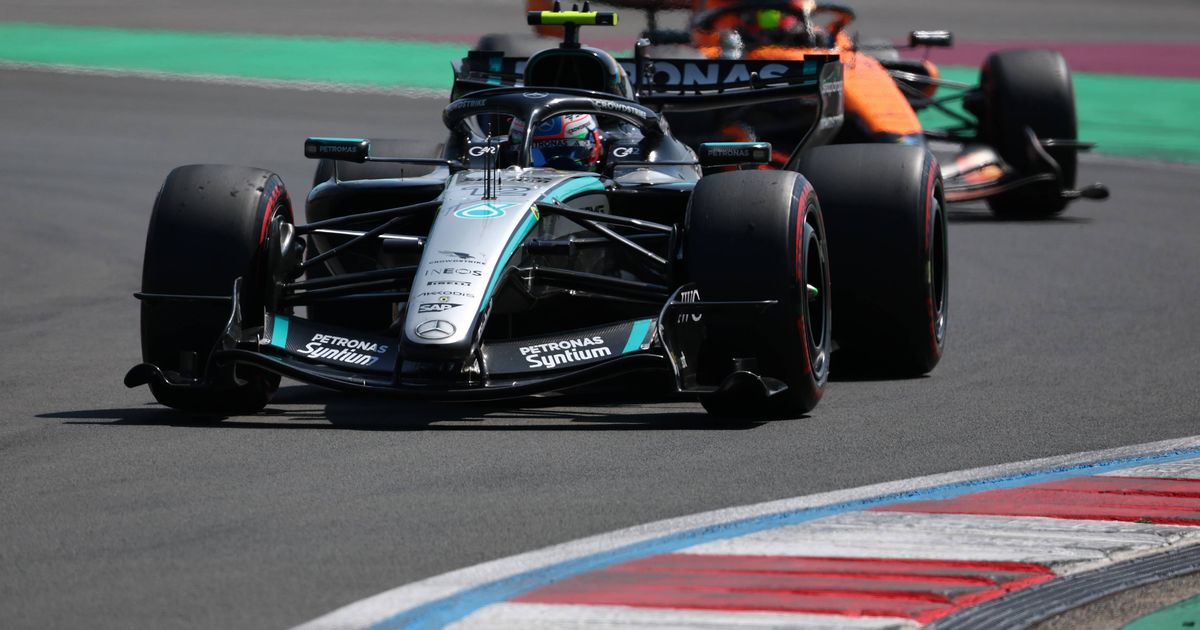
Inside ADUO: How F1's New Engine Equalization System Works
Formula 1's new ADUO system is designed to help engine manufacturers close performance gaps during the season, offering struggling teams extra dyno time and upgrade tokens based on how far they trail the benchmark power unit. With Mercedes establishing a clear early advantage in 2026, the system's first major evaluation point could trigger a significant shift in the competitive order if applied as planned after the Monaco Grand Prix.
Why it matters:
The introduction of ADUO (Additional Development and Upgrade Opportunities) marks a fundamental shift in F1's engine development philosophy, moving from a strict, season-long freeze to a more dynamic, in-season balancing act. Its success or failure will directly impact whether the championship becomes a one-team Mercedes procession or evolves into a multi-manufacturer battle, making engine parity a live topic throughout the year rather than a winter concern.
The Details:
- The Core Mechanism: ADUO functions as a performance-based development aid. Manufacturers lagging behind the benchmark—currently Mercedes—are granted additional hours of dyno testing and permitted upgrade tokens to develop their power units mid-season.
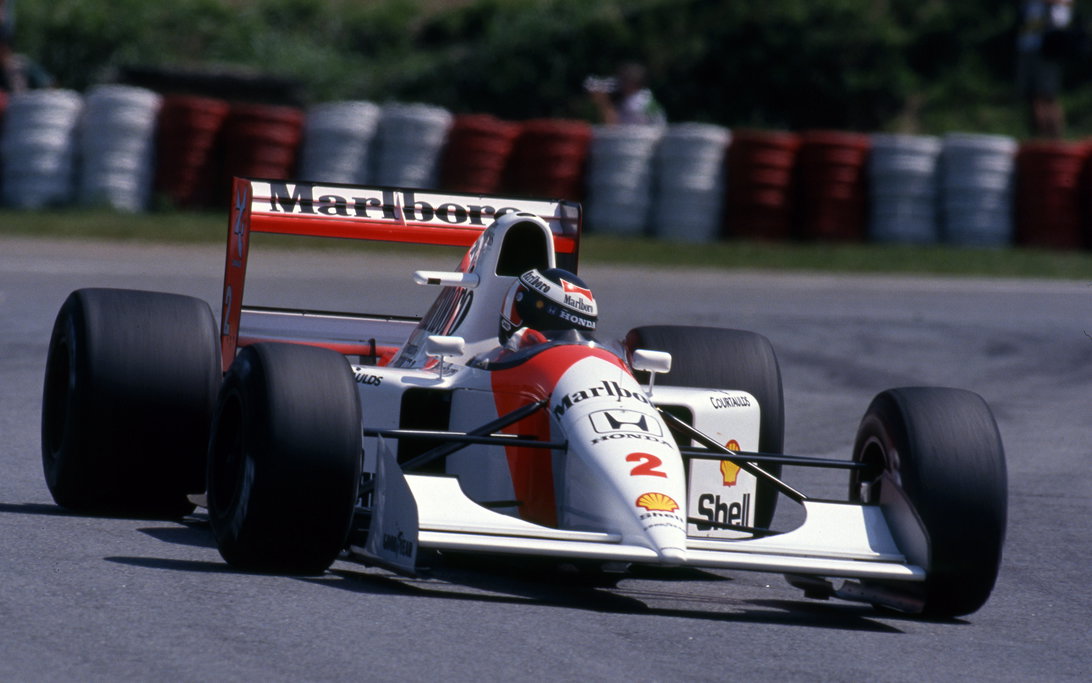
- Performance Brackets: The level of assistance is tied to a defined performance deficit. A manufacturer operating 2% to 4% below the benchmark gets one additional upgrade opportunity. A deficit exceeding 4% grants two extra upgrades, a bracket Honda is reportedly close to entering.
- Evaluation Schedule: The FIA conducts formal performance reviews of all power units every six races to assess gaps and allocate ADUO benefits. The first major assessment was originally slated for after Miami but may now occur after Monaco due to calendar changes.
- Key Distinction: Unlike Balance of Performance (BoP) systems in other series that slow the leader, ADUO requires the chasing teams to improve themselves using the provided resources, maintaining a focus on engineering development.
What's Next:
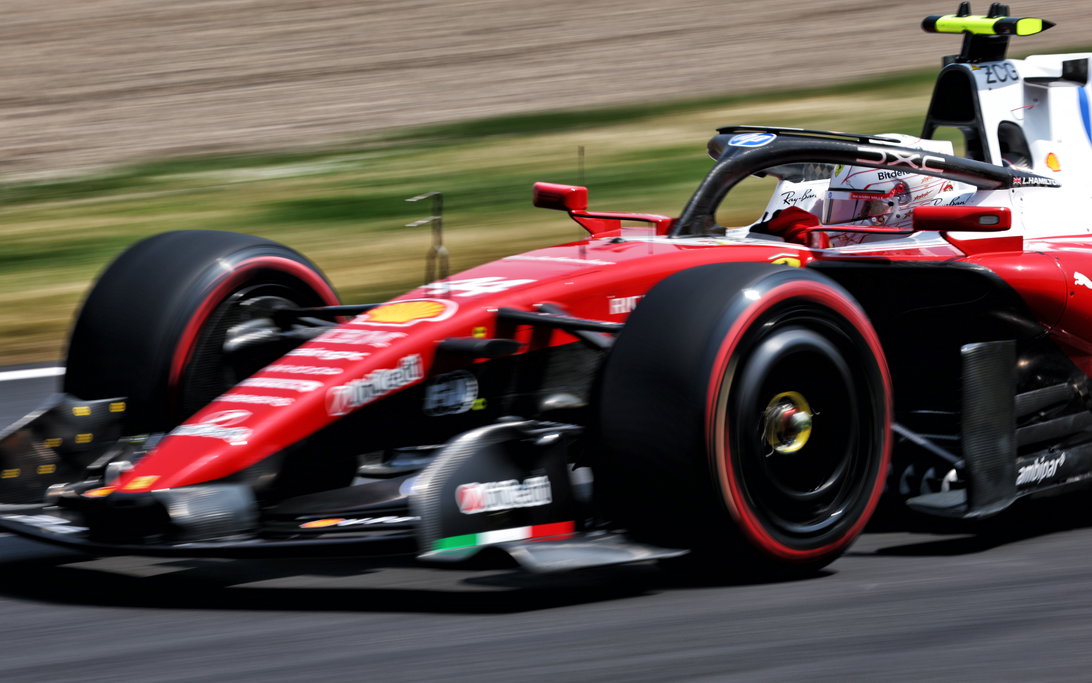
The immediate focus is on the timing of the first ADUO evaluation. The cancellation of the Bahrain and Saudi Arabian Grands Prix has pushed the six-race mark to Monaco, later than initially planned. The FIA is considering moving the assessment forward to provide trailing manufacturers like Honda and Ferrari with development flexibility sooner. Mercedes' stance on this potential change remains unclear, but their decision could significantly influence the competitive timeline for the rest of the 2026 season.
Original Article :https://www.gpblog.com/en/news/inside-aduo-system-how-f1s-new-engine-rules-actua...