



Stella: Aerodynamics, not battery management, remains key in F1 2026 development war
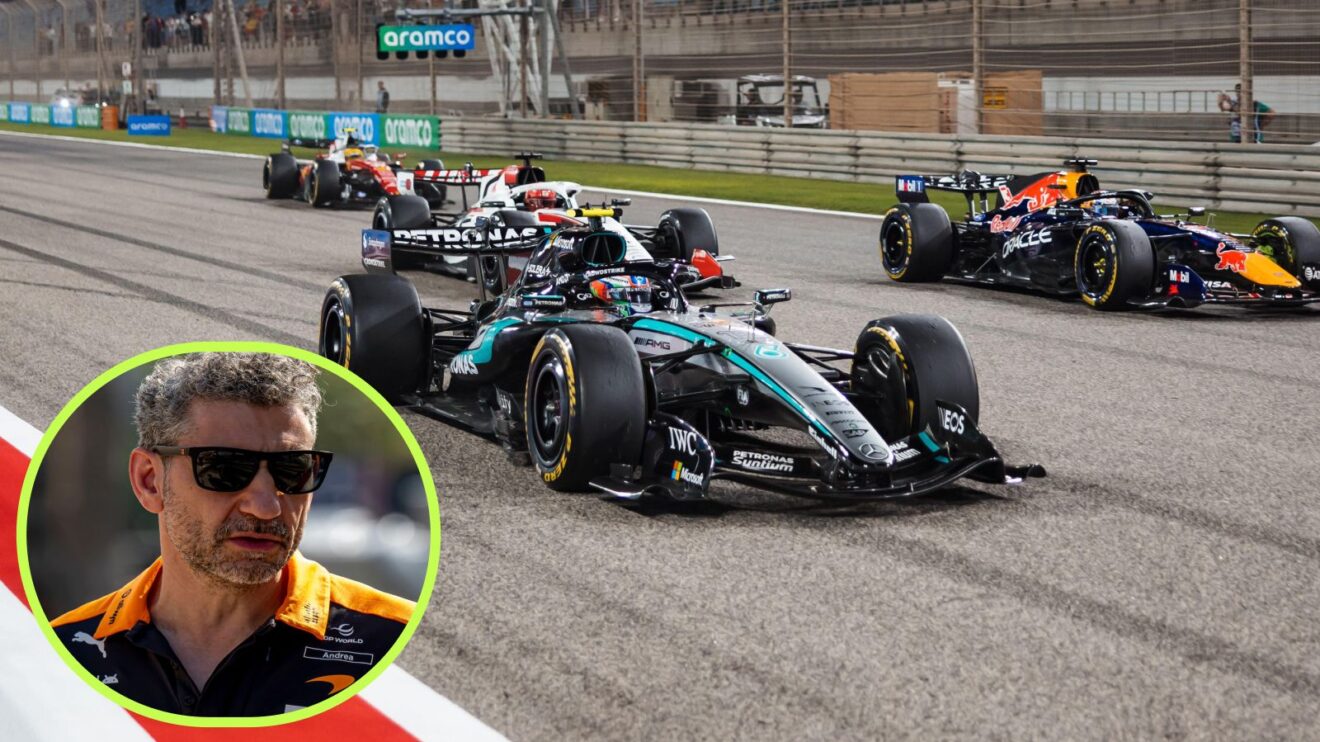
McLaren team principal Andrea Stella asserts that while battery management will become a critical new skill for drivers in F1's 2026 era, it will not fundamentally alter the core development battle between teams, which will still be won by creating the car with the best aerodynamic efficiency. He also called on the sport to simplify its complex technical narrative for fans, emphasizing that F1 is an entertainment business first.
Why it matters:
The 2026 regulations introduce smaller cars, active aerodynamics, and a tripling of electrical power, shifting a significant onus onto drivers to manage energy harvesting and deployment mid-lap. Stella's comments clarify that despite this new layer of complexity, the foundational engineering principle—building a fast car—remains unchanged. His push for simplification highlights a growing concern that the sport's technical arms race could alienate its audience if not communicated effectively.
The details:
- Driver Adaptation Required: Stella confirmed drivers will need to adopt "counter intuitive" techniques, like lift-and-coast before braking in qualifying or harvesting energy in high-speed corners, to maximize the new power unit's performance.
- Chassis Goals Unchanged: He stressed these new driving techniques do not change chassis development objectives. The primary goal remains generating as much downforce as possible to be fast in corners.
- A New Aerodynamic Parameter: Stella highlighted that the new "straight mode" with open wings makes a car's drag in that configuration a paramount new factor. This drag level will be relevant for most of a race lap, making aerodynamic efficiency more critical than ever.
- Call for Fan-Centric Simplification: Stella argued that the complexity of the new power units, which must be competitive in both combustion and electrical energy cycles, risks making F1 overly "self-referential." He urged teams, the FIA, and drivers to collaborate to present the "simplest possible version" of the sport to fans.
What's next:
Stella's remarks set the stage for how teams will approach the 2026 development cycle, with a clear focus on aerodynamics while integrating new energy management software. His call for simplification suggests ongoing dialogues with the FIA to ensure regulatory adaptations, if needed, are made quickly to preserve both competitive racing and spectator appeal. The success of the 2026 era may hinge on balancing this cutting-edge engineering with accessible, engaging competition.
Original Article :https://www.planetf1.com/news/andrea-stella-f1-2026-rules-battery-management-dow...