



Drivers Revolt Against 2026 F1 Cars, Calling Them the 'Worst'
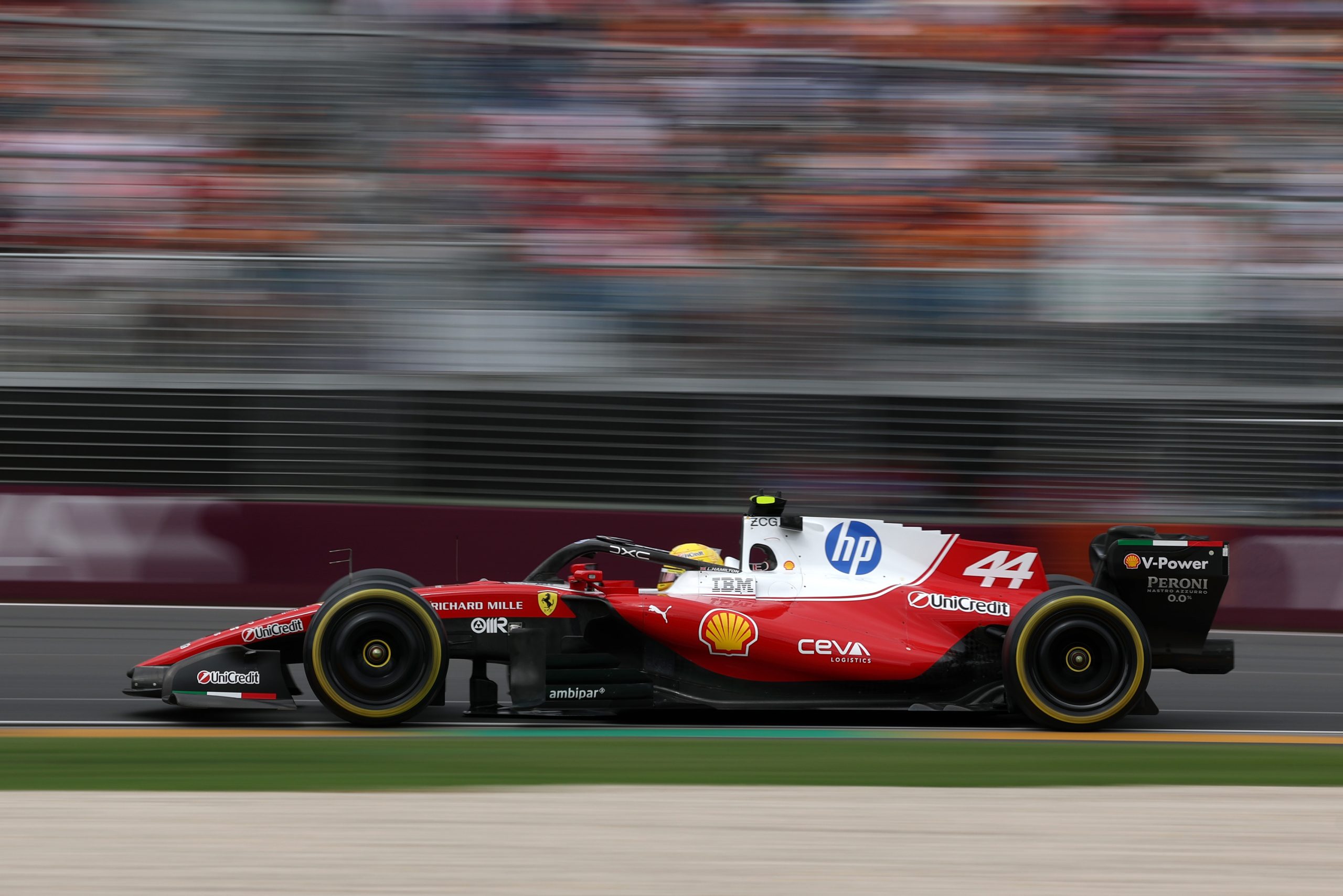
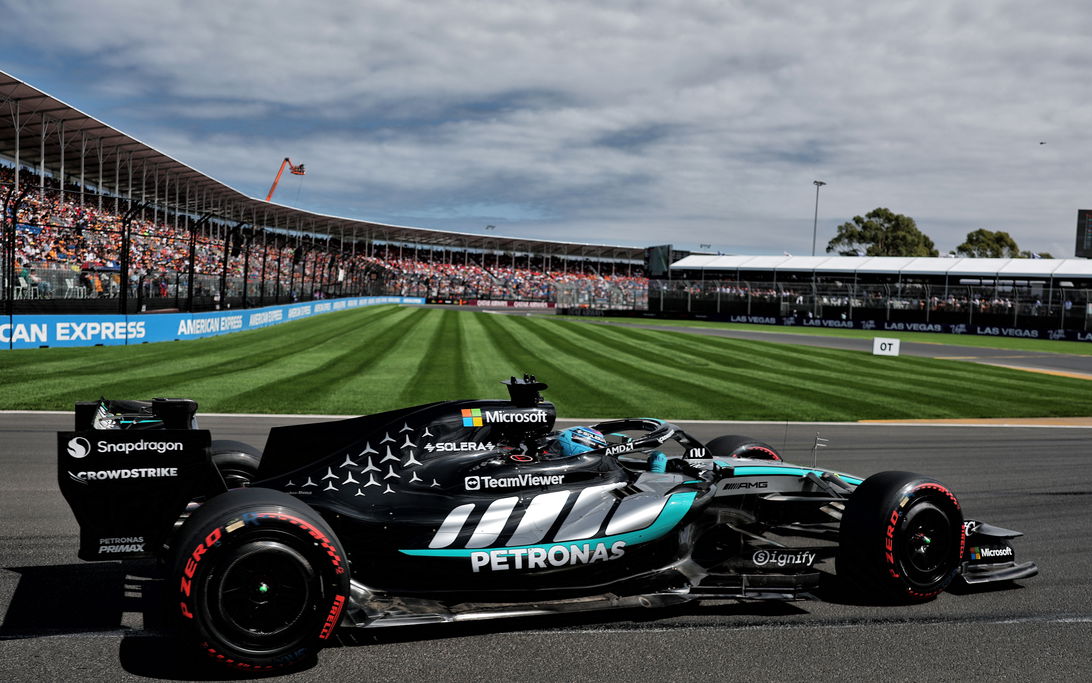
A significant portion of the Formula 1 grid has launched a scathing critique of the sport's new 2026-spec cars following qualifying for the Australian Grand Prix, with drivers labeling them the "worst" and least enjoyable in recent memory. The criticism, which began during winter testing, centers on extreme energy management that forces drivers to constantly monitor their steering wheels instead of racing by instinct. In stark contrast, Mercedes appears to have mastered the new regulations, locking out the front row in Melbourne with George Russell taking pole position.
Why it matters:
The driver revolt strikes at the heart of Formula 1's identity as the pinnacle of motorsport. If the sport's top competitors feel the cars are overly complex, unpredictable, and detract from pure racing skill, it risks alienating its core talent and audience. The split opinion, with Mercedes thriving while others struggle, also threatens to create a significant and immediate performance gap under the new rules.
The details:
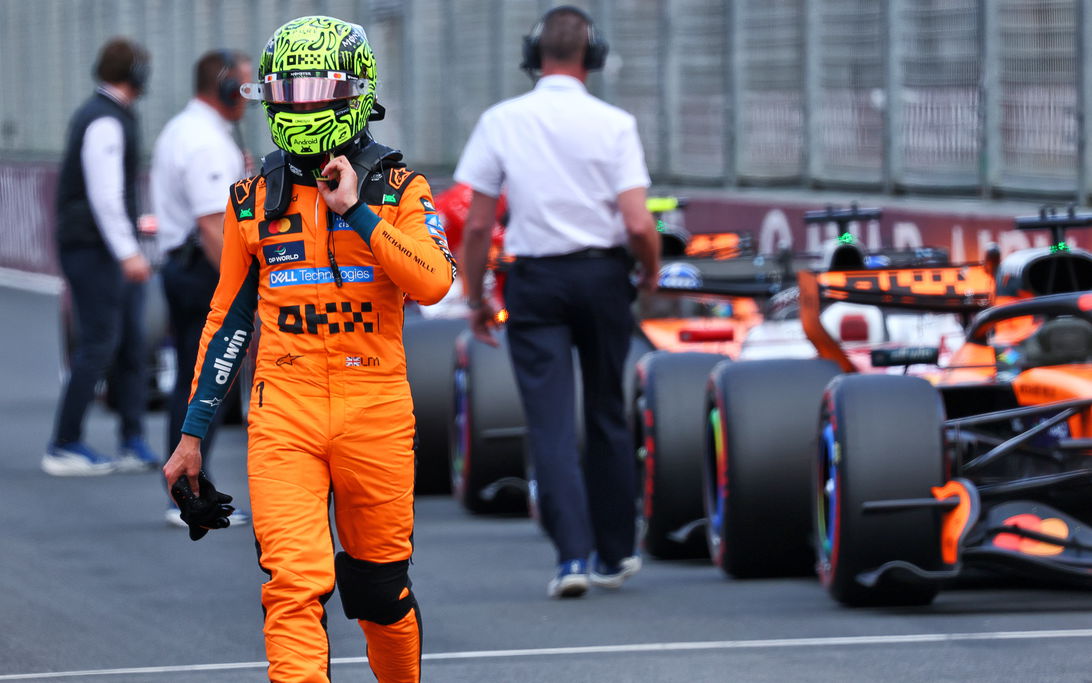
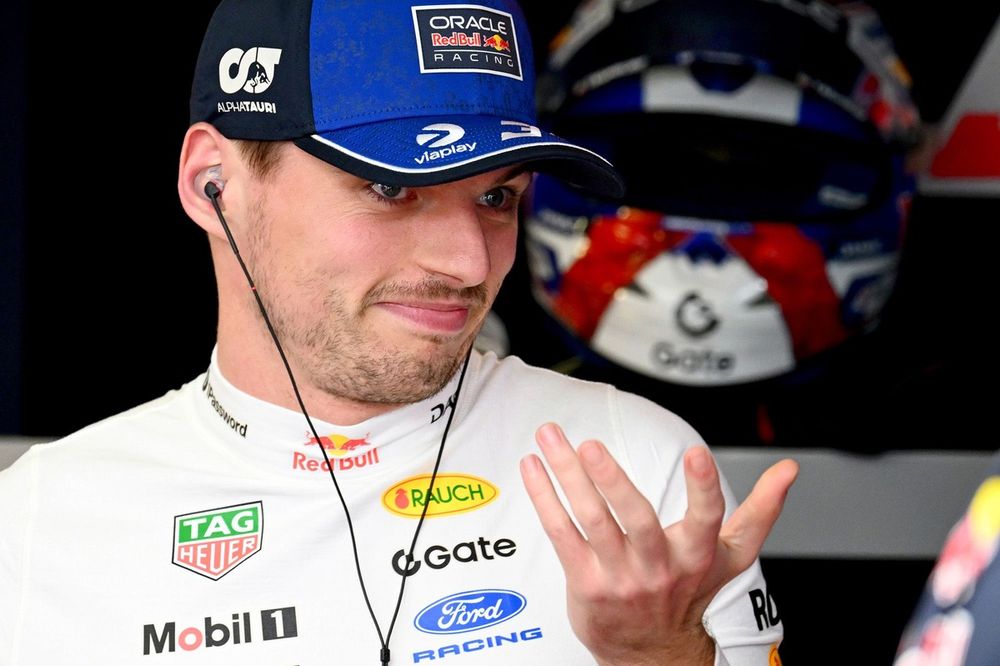
- Widespread Discontent: Led by Lando Norris and Max Verstappen, drivers are united in their frustration. Norris stated the cars have gone "from the best... to the worst" in F1, feeling more like strategic management than driving. Verstappen reaffirmed his "Formula E on steroids" description, bluntly adding, "I'm definitely not enjoying the new cars."
- The Core Problem: Drivers cite the 50/50 hybrid power distribution between the internal combustion engine and electric motor as a fundamental flaw. This forces aggressive energy harvesting, seen on Melbourne's long straight where cars lose nearly 60 km/h before the braking point as the system recuperates power.
- Safety and Strategy Concerns: A heated Friday drivers' meeting debated the safety implications of the 'Straightline Mode' (DRS), with some reporting unpredictable handling. Audi's Gabriel Bortoleto noted he "almost crashed into a Ferrari" due to understeer caused by the mode. GPDA chairman Carlos Sainz summarized the feeling as "putting one plaster on top of another."
- The Mercedes Exception: Mercedes drivers George Russell and Andrea Kimi Antonelli, who qualified 1st and 2nd, offered a contrasting view. Russell described the cars as more agile, allowing more sliding, and said they feel "more like a go-kart," suggesting his team has found a competitive setup others have missed.
What's next:
The controversy sets the stage for a tense season where on-track competition may be overshadowed by technical grievances.
- The immediate focus will be on whether other teams can close the understanding gap to Mercedes or if the Silver Arrows will run away with the early championship.
- Pressure will mount on the FIA and Formula 1 to address driver safety concerns regarding specific modes and to evaluate if mid-cycle adjustments to the 2026 regulations are necessary to preserve the sporting challenge.
- This fundamental clash between technical innovation and driver satisfaction will be a defining narrative of the new era, testing the resilience of the current regulatory framework.
Original Article :https://f1-insider.com/formel-1-fahrer-kritik-autos-melbourne-75953/