



Mercedes dominates Melbourne qualifying as 2026 F1 era begins with strategic unknowns
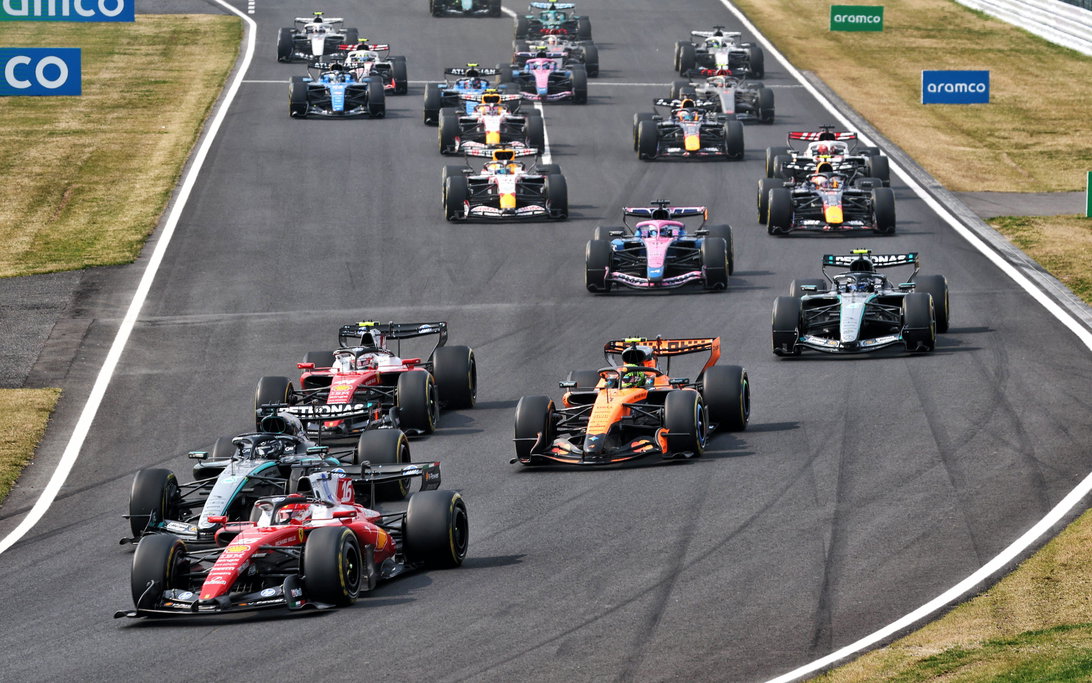
Mercedes locked out the front row in the first qualifying session of Formula 1's 2026 era, with George Russell taking pole ahead of rookie teammate Kimi Antonelli at Albert Park. However, the true competitive picture remains clouded by the complex demands of the new power units, which prioritize energy management over raw speed and have drivers reporting significant lift-and-coast phases. The speed trap data revealed a split philosophy, with rookies topping the charts while front-runners like Russell and Lando Norris showed more conservative top speeds, setting the stage for a strategically unpredictable Australian Grand Prix.
Why it matters:
The Melbourne weekend is the first real-world test of F1's sweeping 2026 regulations, where energy harvesting and deployment are as critical as aerodynamic efficiency. Mercedes' qualifying dominance suggests a strong initial package, but the race will be a 300km science project in managing battery life and tire wear. How teams adapt their one-lap setup to race conditions will begin to reveal the early pecking order in this new era.
The details:
- Qualifying Order: George Russell secured pole position for Mercedes, leading a front-row lockout with Kimi Antonelli. Red Bull's Isack Hadjar was the closest challenger, nearly eight-tenths of a second behind.
- Speed Trap Paradox: Straight-line speed data highlighted differing approaches. Rookie Arvid Lindblad topped the charts at 315 km/h, while pole-sitter Russell recorded only 297.9 km/h. This gap points to varying aerodynamic drag levels and energy deployment strategies for qualifying.
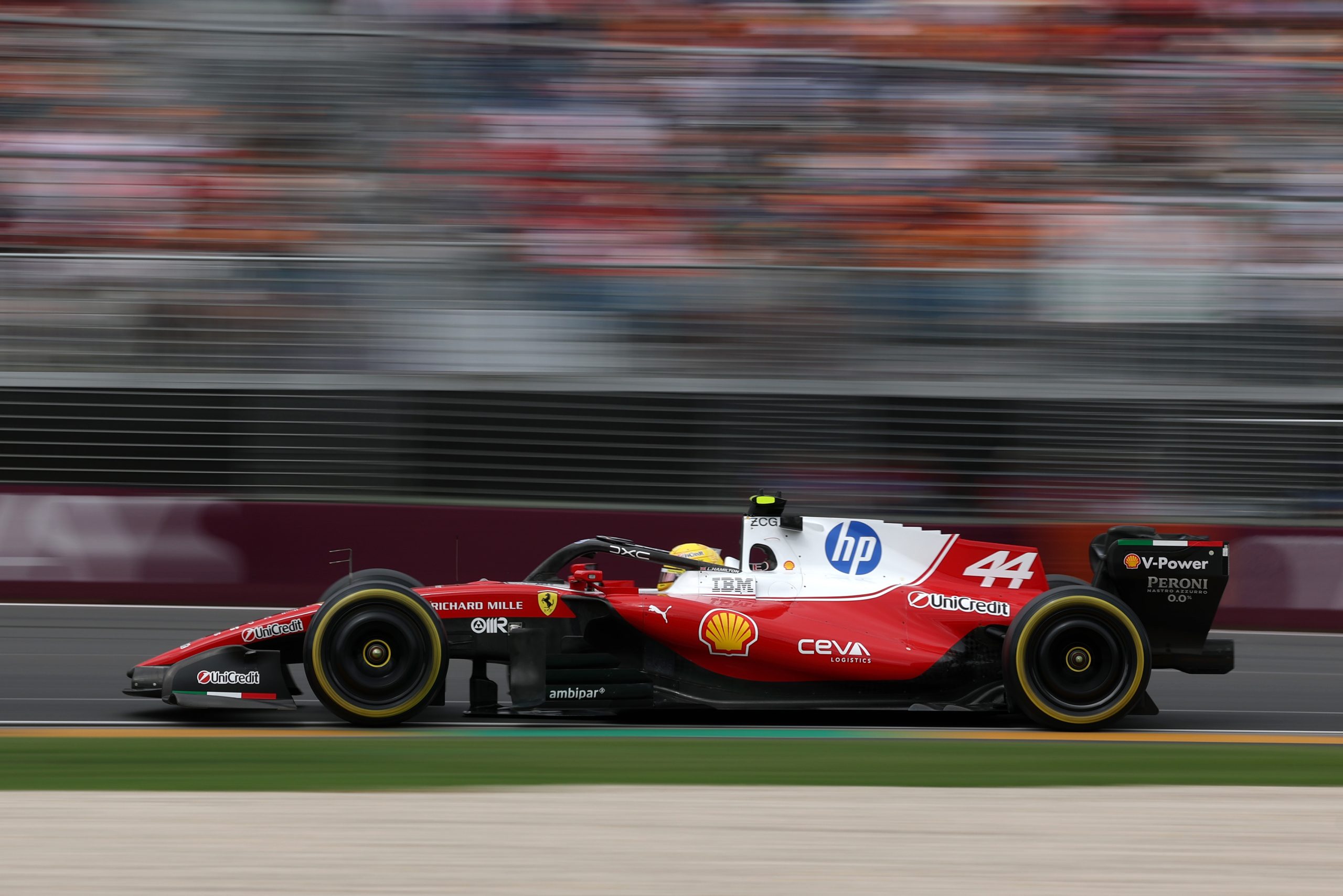
- Ferrari's Struggle: The Scuderia had a mixed session, with Charles Leclerc qualifying fourth but nearly a second off the pace. Lewis Hamilton could only manage seventh, indicating Ferrari has immediate work to do to challenge the front.
- Tire Strategy Variables: Pirelli predicts multiple viable strategies. The theoretical fastest is a one-stop using Medium then Hard tires, with a pit window between laps 20-26. An alternative is starting on the Soft tire for an early advantage, switching to Hards between laps 15-21.
- The high probability (75%) of a Safety Car at Albert Park could rapidly bring aggressive two-stop strategies into play.
- The New Race Dynamic: Drivers emphasize that managing the new power unit's battery state-of-charge through prescribed lift-and-coast zones is a fundamental race challenge, meaning pure qualifying pace may not translate to Sunday performance.
What's next:
The Australian Grand Prix will serve as the first major data point for the 2026 regulations. Focus will be on whether Mercedes can convert its qualifying supremacy into a race win, or if teams like Red Bull and Ferrari with potentially better race-trim energy management can fight back.
- The 21-second pit stop time and likely Safety Car interventions mean strategic agility will be paramount.
- The result will provide the first true glimpse of which team has best balanced the triple challenge of single-lap speed, race-long energy management, and tire degradation under the new rules.
Original Article :https://f1i.com/news/560475-melbourne-speed-trap-who-is-the-fastest-of-them-all-...