



Palmer Tempers Hamilton's 2026 Optimism, Highlights Regulation Mismatch
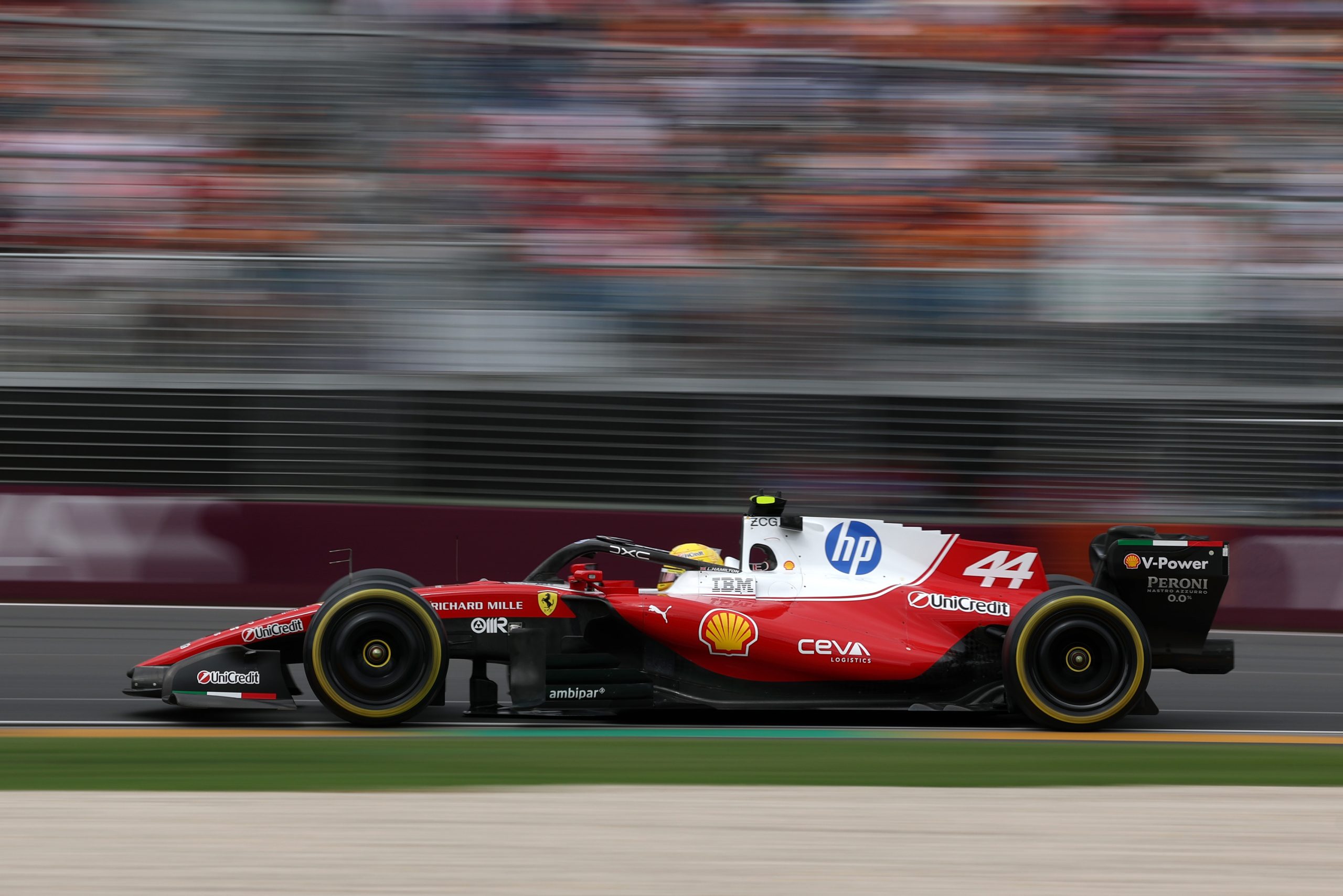
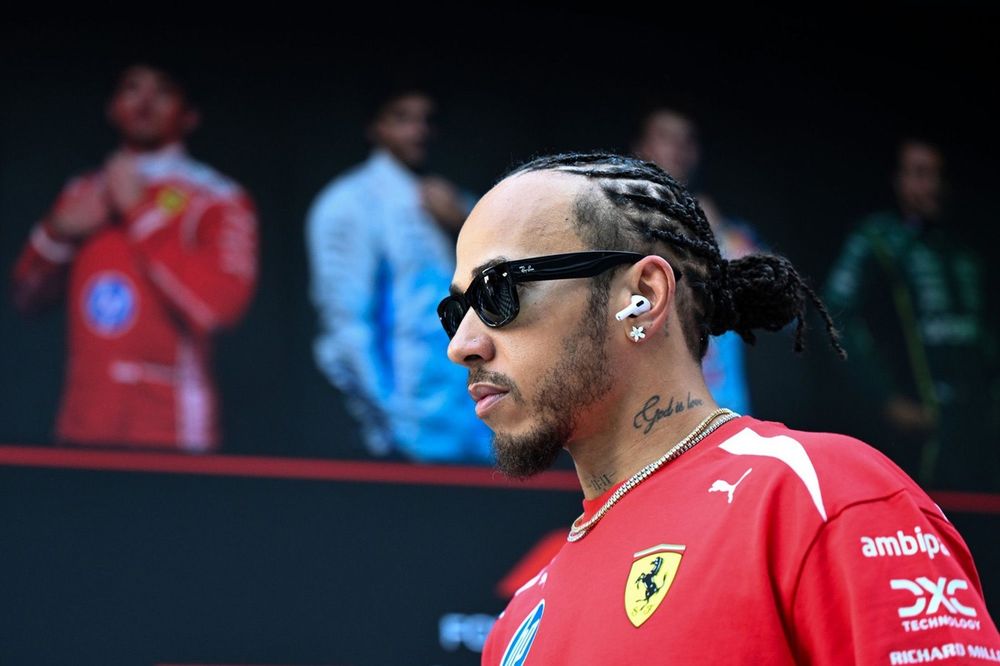
Former F1 driver Jolyon Palmer has dampened Lewis Hamilton's positive outlook for the 2026 season, suggesting that while some new regulation aspects may suit him, critical braking challenges could favor rivals like Charles Leclerc or Max Verstappen. Hamilton is optimistic about leaving the ground effect era behind, but Palmer's analysis indicates a potential misalignment with the seven-time champion's driving style.
Why it matters:
Hamilton's high-profile move to Ferrari for 2026 is built on returning to title contention, making his adaptation to the new cars pivotal. If the regulations disadvantage his strengths, it could hinder Ferrari's challenge against top teams and shift competitive balances, emphasizing how technical rules influence driver success.
The details:
- Palmer notes Hamilton never fully mastered the ground effect cars from 2022-2025, which required a low, planted setup with venturi tunnels for downforce.
- The 2026 regulations eliminate ground effect, introducing more rake and driver feel, potentially helping Hamilton by offering better car sensation and feedback.
- A significant hurdle is braking: the new power units involve "derating" into corners, where energy deployment stops, leading to lift-and-coast or "super clipping" techniques.
- This braking style contrasts with Hamilton's preference for attacking brakes hard and maintaining a stable rear end, possibly putting him at a disadvantage.
- In contrast, drivers like Leclerc, who can hustle the car with a loose rear end—as seen in testing—or Verstappen with his aggressive control, might thrive under these conditions.
What's next:
As teams finalize 2026 designs, Ferrari will need to prioritize braking stability and energy management to support Hamilton. Hamilton may have to refine his approach, while rivals could gain an early edge. The season will test Palmer's analysis, highlighting the ongoing interplay between driver skill and regulatory evolution in Formula 1.
Original Article :https://www.motorsport.com/f1/news/jolyon-palmer-explains-why-2026-f1-cars-could...