



Verstappen feels 'completely empty' with 2026 F1 cars after Melbourne qualifying
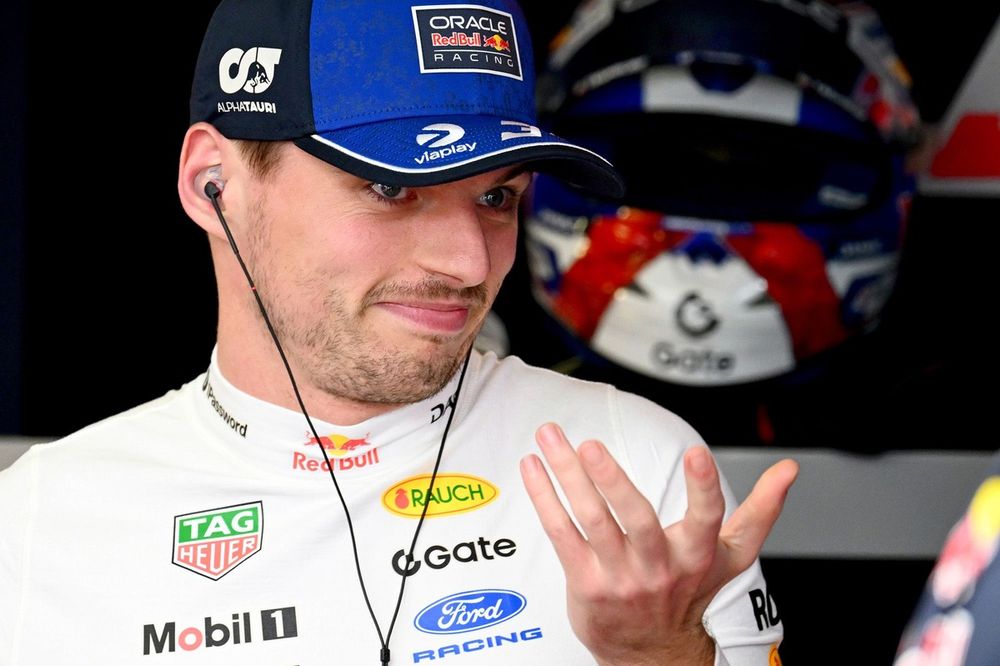
Max Verstappen has intensified his criticism of the 2026 Formula 1 regulations, stating he felt "completely empty" after a crash in Australian Grand Prix qualifying and that he is "not enjoying it at all." The reigning champion's stark comments highlight a growing chorus of driver discontent with the new cars, which demand unnatural driving techniques to manage battery power, particularly on challenging circuits like Albert Park.
Why it matters:
Verstappen's vocal frustration, echoed by other top drivers, strikes at the core of Formula 1's identity as the pinnacle of motorsport. If the sport's biggest stars feel the cars are not fun to drive and contradict pure racing instincts, it risks alienating both competitors and fans. The criticism puts immediate pressure on the FIA to address these concerns before the regulations are fully locked in for 2026.
The details:
- Verstappen's Critique: Following a Q1 crash, Verstappen said the emotional feeling after driving the car was "completely empty," regardless of qualifying position. He elaborated that drivers "can't drive naturally" and must minimize throttle usage everywhere to save battery, calling it "very little to do with racing."
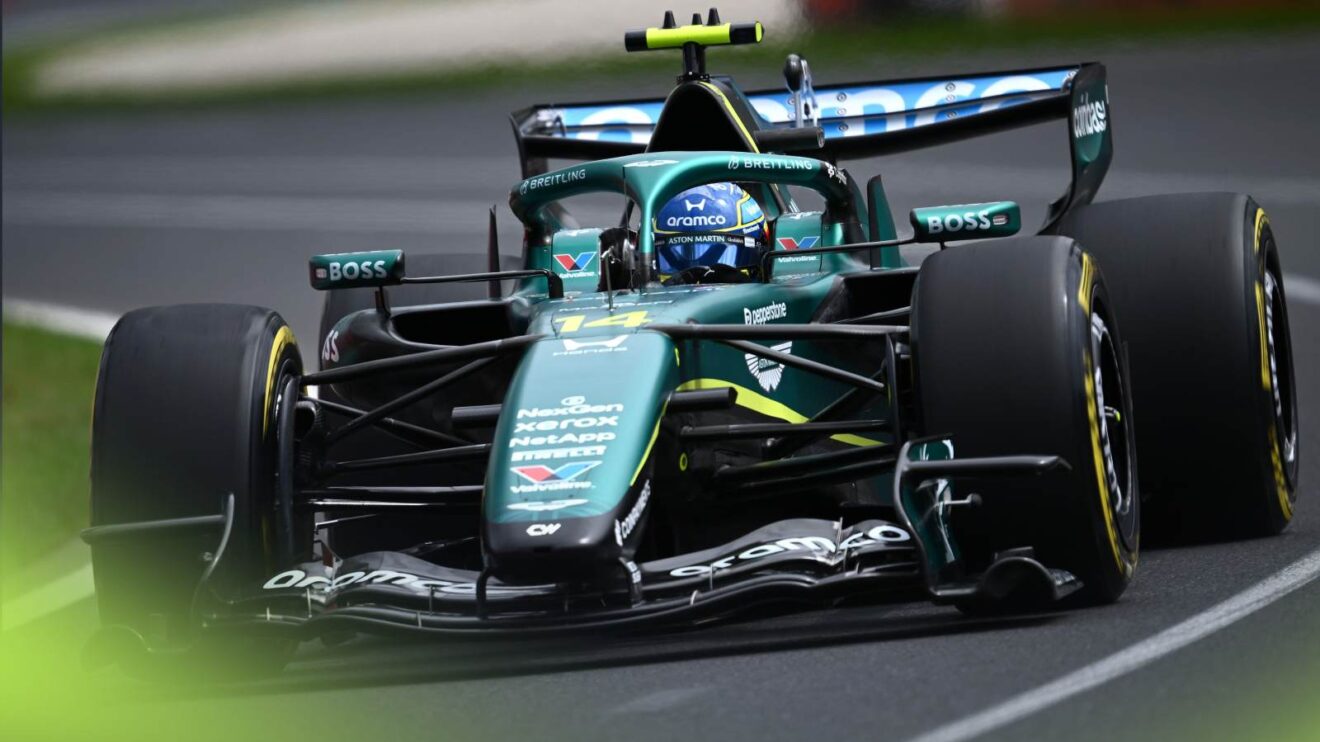
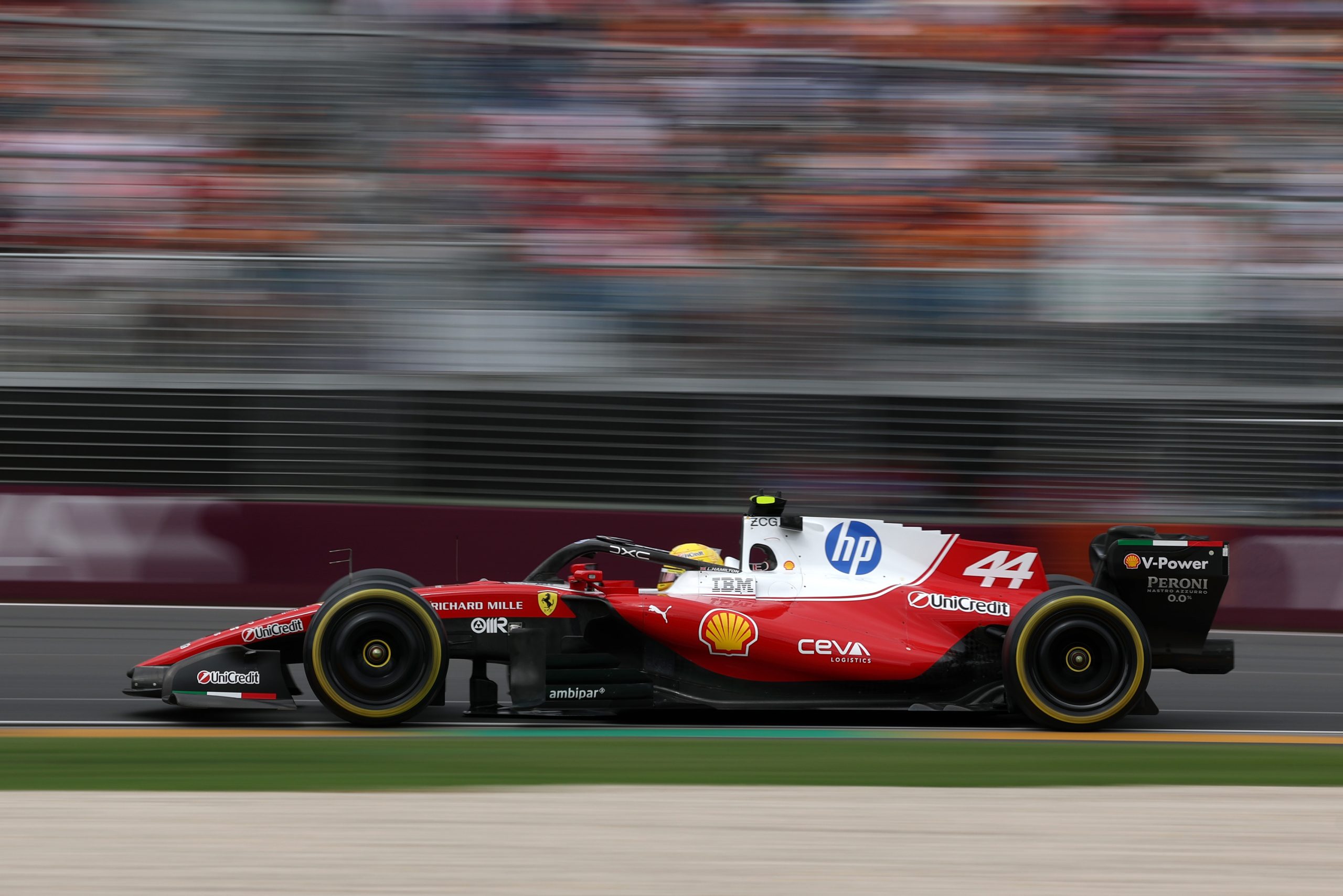
- Widespread Driver Discontent: Verstappen is not alone. Lando Norris claimed F1 has gone from "the best cars ever made" to "probably the worst," Charles Leclerc said they are "not the most fun cars to drive," and Lewis Hamilton stated the approach is "completely against what Formula 1 is about."
- The Technical Challenge: The 2026 rules feature a near 50/50 power split between the internal combustion engine and electric motor. This makes battery management paramount, forcing techniques like lift-and-coast and even downshifting on straights to regenerate energy.
- Circuit Specific Issues: Melbourne is considered an "energy-poor" circuit due to its fast corners and long straights, making it one of the most difficult tracks for the new power units. George Russell noted Melbourne is "probably going to be the worst track for these engines."
- A Diverging Opinion: George Russell, who took pole position, offered a more optimistic view. He suggested that while lift-and-coast isn't "pure racing," drivers will adapt to it as a "new normal" and cautioned against judging the regulations too prematurely.
What's next:
The FIA has acknowledged the feedback and is expected to make adjustments to the 2026 technical regulations. The immediate focus will be on whether other circuits on the calendar present the same extreme challenges as Melbourne and how quickly teams and drivers can adapt. However, with a figure of Verstappen's stature expressing such profound dissatisfaction, the governing body faces significant pressure to ensure the final 2026 package delivers exciting and authentic racing that wins over the drivers themselves.
Original Article :https://www.motorsport.com/f1/news/max-verstappen-feeling-completely-empty-about...