



Mercedes' Dominance Highlights Red Bull's Early Struggles
Mercedes delivered a stunning statement of intent at the season-opening Australian Grand Prix, with George Russell taking pole position by a commanding margin and exposing a significant performance gap to rivals like Red Bull. Max Verstappen's pre-season warning to watch Mercedes proved prescient, as the Silver Arrows' optimized package, particularly in managing the 2026 power unit's complex energy demands, left others scrambling for answers.
Why it matters:
This early dominance challenges the pre-season narrative and suggests Mercedes has grasped the new regulatory era more completely than its rivals. For Red Bull, building its own power unit for the first time, the gap highlights the steep learning curve and the critical interplay between chassis performance and energy recovery—a weakness that could define its entire season if not addressed swiftly.
The details:
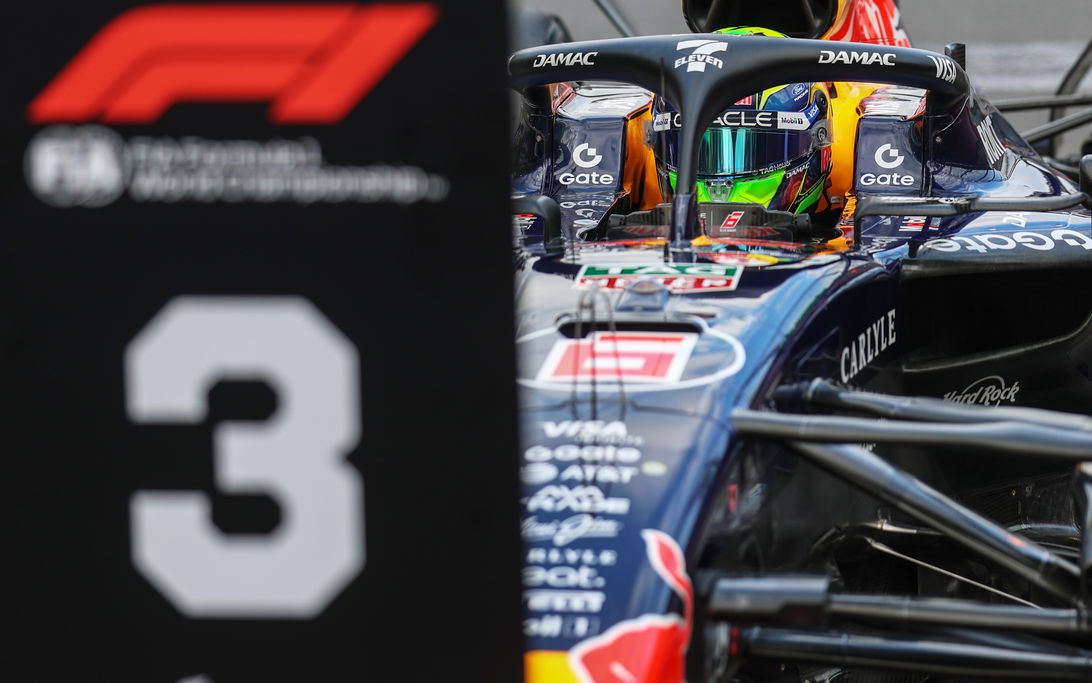
- Qualifying Gap: George Russell secured pole for Mercedes, with teammate Kimi Antonelli alongside on the front row. Red Bull's Isack Hadjar, in his qualifying debut for the team, was a distant third, nearly eight-tenths of a second behind, a similar margin to Ferrari's Charles Leclerc in fourth.
- The Performance Differential: Data indicates Red Bull's primary deficit is a lack of mechanical grip and downforce in the corners, leading to lower cornering speeds. However, the bigger story is the synergistic advantage Mercedes has unlocked.
- The Battery Optimization Loop: As explained by McLaren's Lando Norris, the 2026 cars create a performance multiplier effect. A faster car through corners spends less time on the throttle, preserving more battery energy. That stored energy can then be deployed for longer on the straights, creating a larger overall lap time advantage. Norris estimated Mercedes' car is "probably three to four tenths better, and then the engine is also working three to four tenths better."
- Mercedes' Mastery: Mercedes has built a package that excels in both mechanical grip and seamless integration with the power unit's energy management, allowing it to optimize performance across an entire lap within the battery's limitations.
- Red Bull's Challenge: The Milton Keynes squad is facing the expected teething problems of a first-year power unit project, struggling with this critical battery optimization loop. While keeping pace with Ferrari and McLaren is a positive baseline, closing the gap to Mercedes requires breakthroughs in both cornering performance and energy deployment.
What's next:
While one qualifying session doesn't decide a championship, Mercedes has landed a heavy psychological and points-scoring blow. The development race now becomes critical.
- Red Bull must find rapid gains in downforce and battery management to disrupt Mercedes' momentum. Their ambition to win championships with their own power unit faces its first major test.
- The aggressive development promised by all teams will determine if this is a sustained Mercedes advantage or an early-season peak. For now, the Silver Arrows have set a formidable benchmark that will take some catching.
Original Article :https://racingnews365.com/mercedes-whirlwind-exposes-red-bull-achilles-heel