




What happened to McLaren's pace advantage over Red Bull at the F1 Imola GP?
At the Miami Grand Prix, Max Verstappen denied Lando Norris pole position but finished fourth in the race, nearly 40 seconds behind winner Oscar Piastri in the second McLaren.
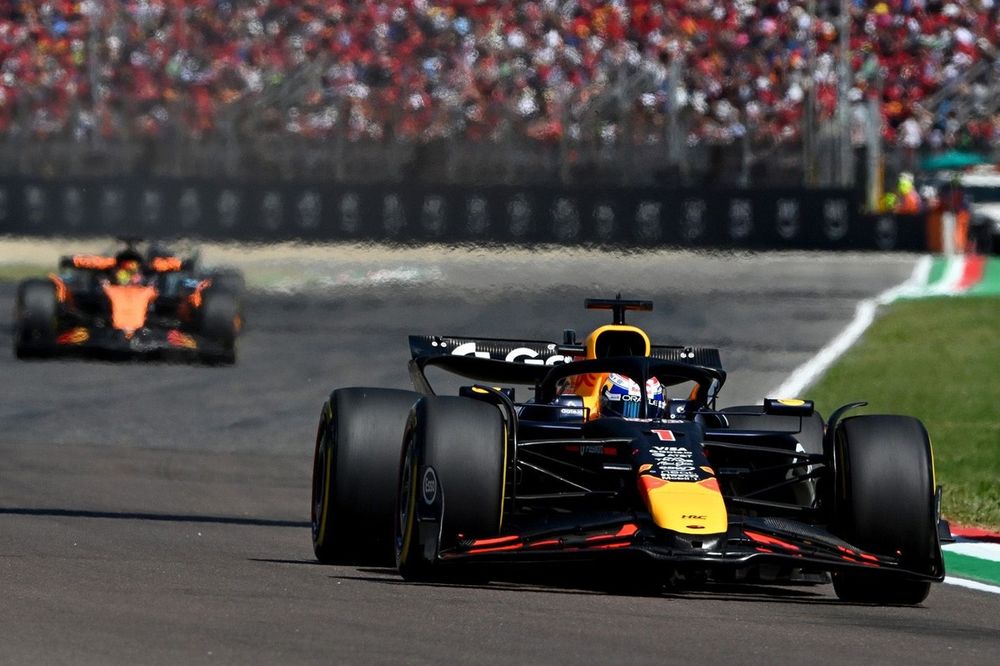
Two weeks later, Verstappen not only beat both papaya drivers but did so comfortably. While his Japanese Grand Prix win was largely due to maintaining track position in a strategy-limited race, his victory in Emilia Romagna was well-earned, as he was closely matched with his competitors and experienced much better tyre wear than expected.
So, what happened? Was Imola's turnaround a result of Red Bull overperforming or McLaren missing the mark?
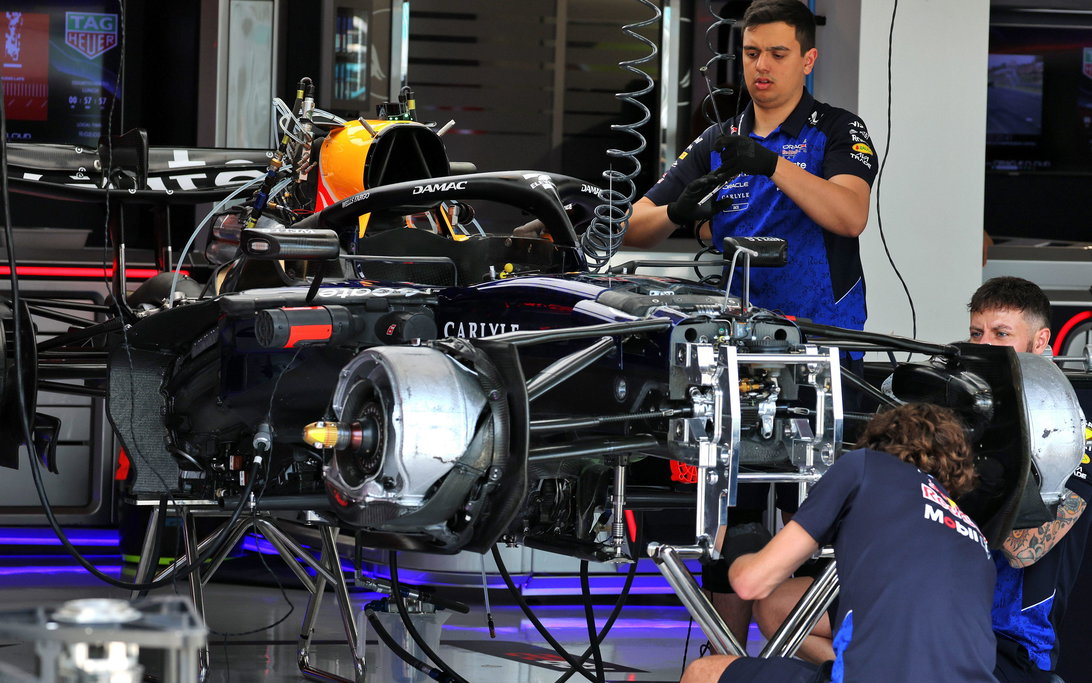
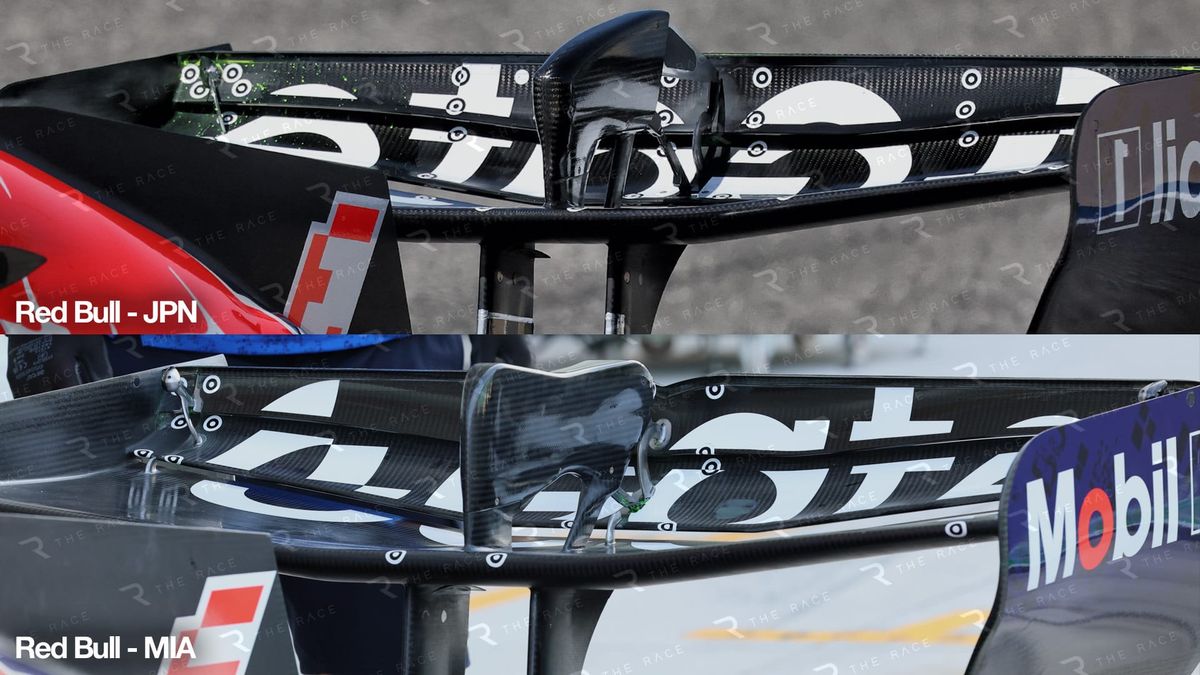
Both McLaren and Red Bull arrived at the first European race with modest upgrades. McLaren added downforce to the rear corners of the car and introduced a circuit-specific rear wing. Red Bull also optimized its rear corner aerodynamics and sidepods, building upon a redesigned floor that Verstappen used in Miami.
Beyond increasing outright aerodynamic load, Imola's improvements seemed to help Red Bull manage tyre temperatures, a factor that had limited them in races like Miami and Bahrain, where McLaren also outperformed them. Typically, Verstappen would start strong and then fade. However, in Imola, Piastri was the first to pit after just 14 laps.
"We've definitely managed to put some performance on the car and get it into a better window," said Christian Horner. "And as soon as you take away the sliding, you're able to manage the temperature a lot better."
"The McLarens on Friday looked very, very fast on the long runs. But that's the first time I can remember in a long time we've had the pace to really pull away and out-degrade the McLaren. So, that's very encouraging and a great result for the effort that's gone in behind the scenes."
Horner also noted that Red Bull was "more surprised about McLaren's lack of performance," a sentiment echoed by McLaren counterpart Andrea Stella.
"I have to say we were a little surprised by the pace of Red Bull, which was very competitive," Stella acknowledged. "Well done to Max and Red Bull for being able to pull off this kind of performance, which meant that the race was very much decided by the swap of position between Oscar and Max in turn one. After that, we tried to chase him, but effectively we didn't have enough race pace to be able to beat Max."
Stella highlighted Imola's traditional track layout, featuring more high-speed corners where McLaren's MCL39 struggled against the Red Bull RB21.
Qualifying GPS data showed Verstappen slightly ahead of Piastri through the fast left-handers of Rivazza and on the second half of most straights. McLaren generally had better traction and acceleration out of corners. The result was pole for Piastri by a mere 0.034s, with Mercedes' George Russell just a tenth behind.
"If we look at the speed of the corners compared to Miami, it's a completely different regime," Stella explained. "The car operates in a completely different part of the aerodynamic maps. We know that our car is strong on track layouts like Miami, Bahrain or China, but when it comes to high-speed corners like we have here in Imola, I don't think we enjoy any particular advantage. So the track layout, the progress of Red Bull, I think they are the two factors that meant that we didn't have much advantage."
An emerging trend is McLaren's strength in hot conditions, which helped it excel with superior rear tyre management in the aforementioned circuits. The reason for this advantage's absence in a warm Imola race, even on Pirelli's softest compounds, is not yet clear.
"It's a good question. We will have to look at the data, we will have to look at the behaviour of the tyres and their thermal regime," Stella said.
Could Red Bull have finally unlocked something with its upgrades and setup to control its rear tyres?
"I'll tell you in a week," said Horner. "Generally, we're getting a better understanding, and the technical team have been working very hard on it. We genuinely thought it was going to be very tough to beat McLaren, so it was very reassuring that actually our degradation was better than theirs."
"I think we're starting to understand. The upgrades were mainly focused on characteristics rather than ultimate downforce. We've managed to address, hopefully subtly, some of the characteristics, which is encouraging for the upcoming races."
If these findings hold true in Monaco—where Red Bull struggled last year—and the high-downforce layout of Barcelona, the 2025 championship might not be a McLaren cakewalk.
However, just as Red Bull shouldn't have panicked after Bahrain or Miami, it cannot celebrate too early. Both teams will bring further upgrades to Barcelona in two weeks, coinciding with a stricter FIA directive on front wing flexing that will force the grid to adjust its designs.
"No, I'm not confident anywhere," said Red Bull's technical chief Pierre Wache. "We were [competitive] in Japan and we were destroyed in Bahrain and Miami. Clearly, it's not [taken for] granted in this business. They develop and they have a very good car. Then we still have to push hard."
"I'm not sure it was a big improvement, but it was an improvement in the right direction."
Original Article :https://www.motorsport.com/f1/news/what-happened-mclaren-pace-advantage-red-bull...