




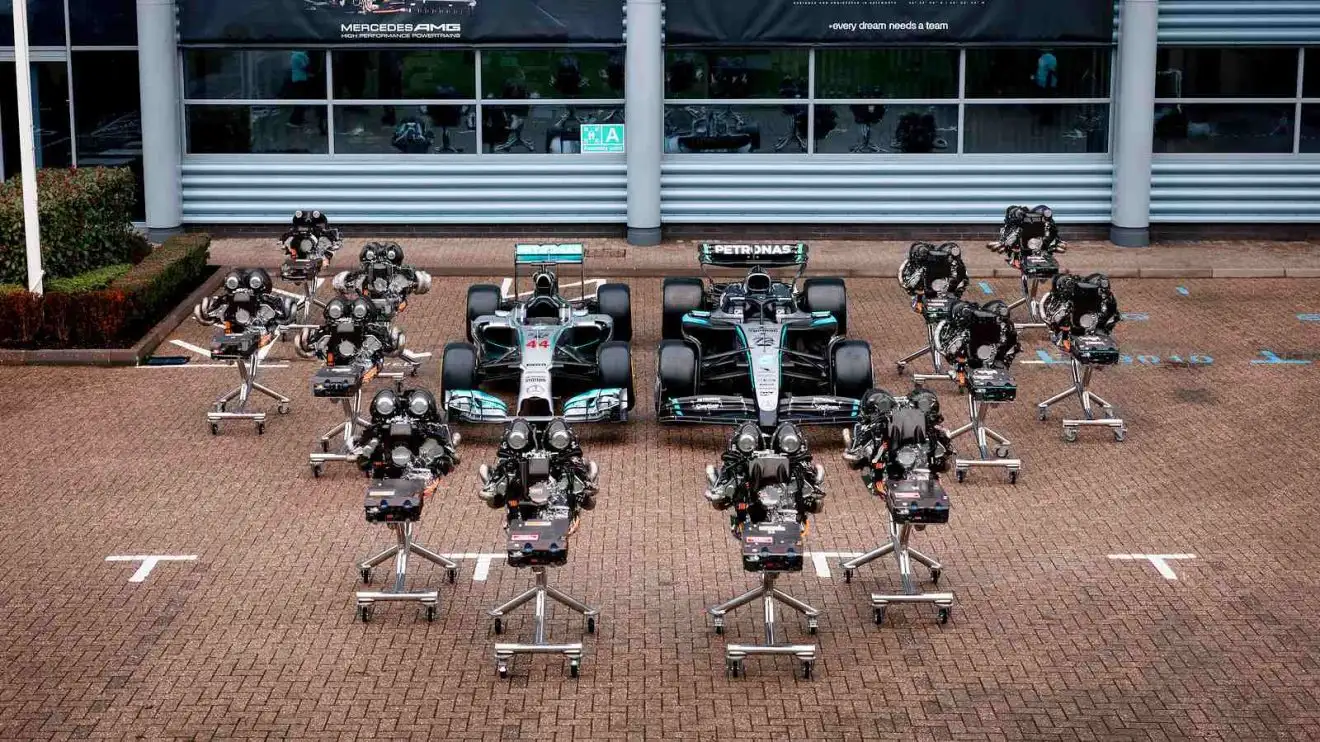



Toto Wolff clarifies 400km/h F1 2026 car claim was a 'marketing boost'
Mercedes Team Principal Toto Wolff has clarified that his earlier suggestion that 2026 Formula 1 cars could reach 400km/h was intended as a "marketing boost" for the new power unit regulations, acknowledging the practical energy limitations that would prevent such speeds in a race. The 2026 regulations will introduce a near-50:50 split between combustion and electric power, with cars featuring less downforce, reduced drag, and active aerodynamics to maintain high straightline speeds.
Why it matters:
The 2026 power unit regulations represent the most significant technical shift in a generation, aiming to make the sport more sustainable and road-relevant. Wolff's comments and subsequent clarification highlight the delicate balance between promoting the spectacle of the new era and managing realistic fan and team expectations regarding performance. Understanding the genuine capabilities and trade-offs of the new cars is crucial as the sport prepares for this major transition.
The details:
- Marketing vs. Reality: Wolff admitted on the Beyond The Grid podcast that the 400km/h claim was made to counter negative early perceptions and promote the "amazing piece of kit." He clarified that while theoretically possible, achieving such a speed would drain the car's energy reserves, making it impractical for competitive racing.
- Energy Management is Key: Hywel Thomas, Managing Director of Mercedes High Performance Powertrains, provided a more technical perspective. He explained that while the start-of-straight acceleration will be "pretty epic" due to electric power filling in for turbo lag, the cars will "derate earlier on the straight" as electrical energy depletes, capping top speed.
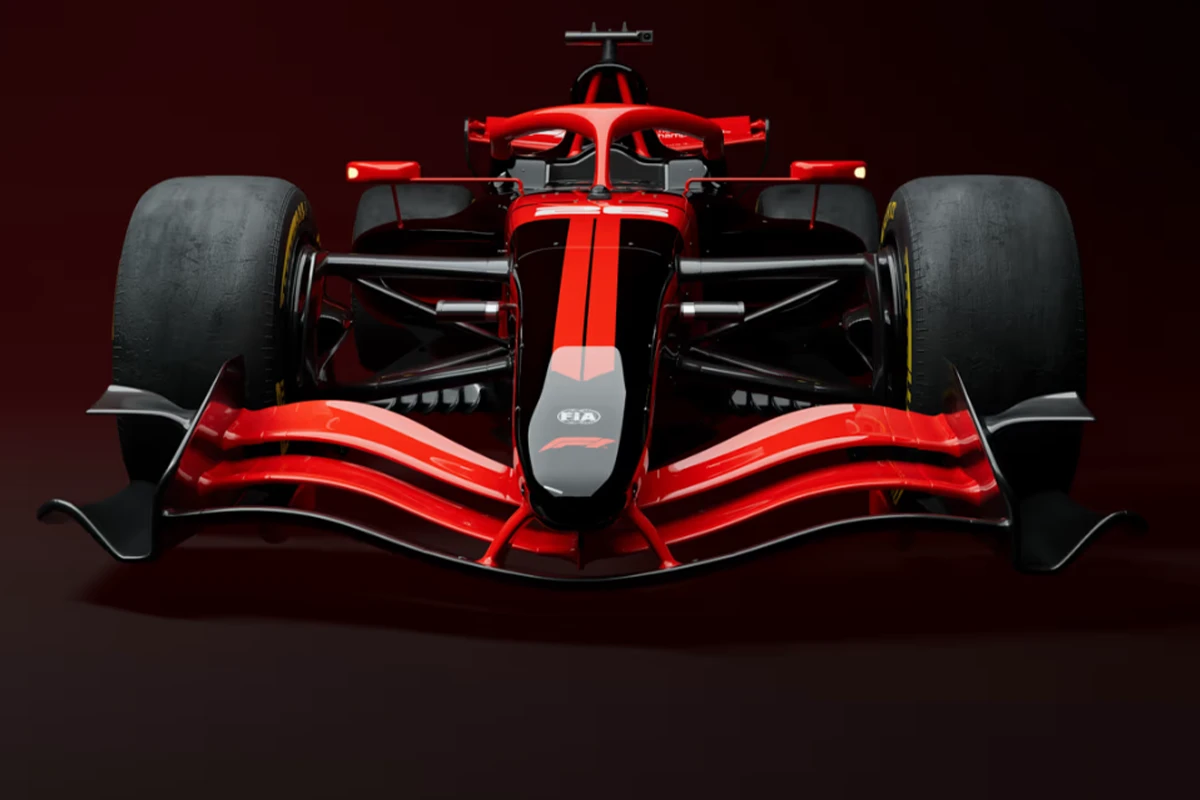
- Regulation Changes: The 2026 rules mandate a major shift to electrical energy, which will be sourced entirely from the turbo-hybrid system and braking, removing the MGU-H. Cars will be lighter, smaller, and feature active aerodynamics to manage the new power delivery profile and efficiency demands.
The big picture:
The discussion underscores the fundamental redesign of F1's racing philosophy for 2026. The focus is shifting from pure, unlimited power output to sophisticated energy management and efficiency. The goal is to create cars that are exciting to drive and race—with strong acceleration—but within a strict energy budget that rewards strategic deployment, similar to how fuel flow limits shaped the current hybrid era. Success will be defined not by a headline top speed figure, but by which team best optimizes the complex interplay between power unit deployment, aerodynamics, and race strategy.
What's next:
As teams continue development, the first tangible glimpses of the 2026 concept will emerge through prototype components and simulation data. The real-world performance envelope will become clearer with the first track tests, likely in 2025. The challenge for the sport will be to ensure the new cars deliver on the promise of closer racing and exciting performance, making the energy management a compelling strategic element rather than a limitation.
Original Article :https://www.motorsport.com/f1/news/toto-wolff-insists-2026-f1-cars-could-reach-4...