






Schumacher Criticizes Marko's Timing in Air Red Bull's 'Dirty Laundry'
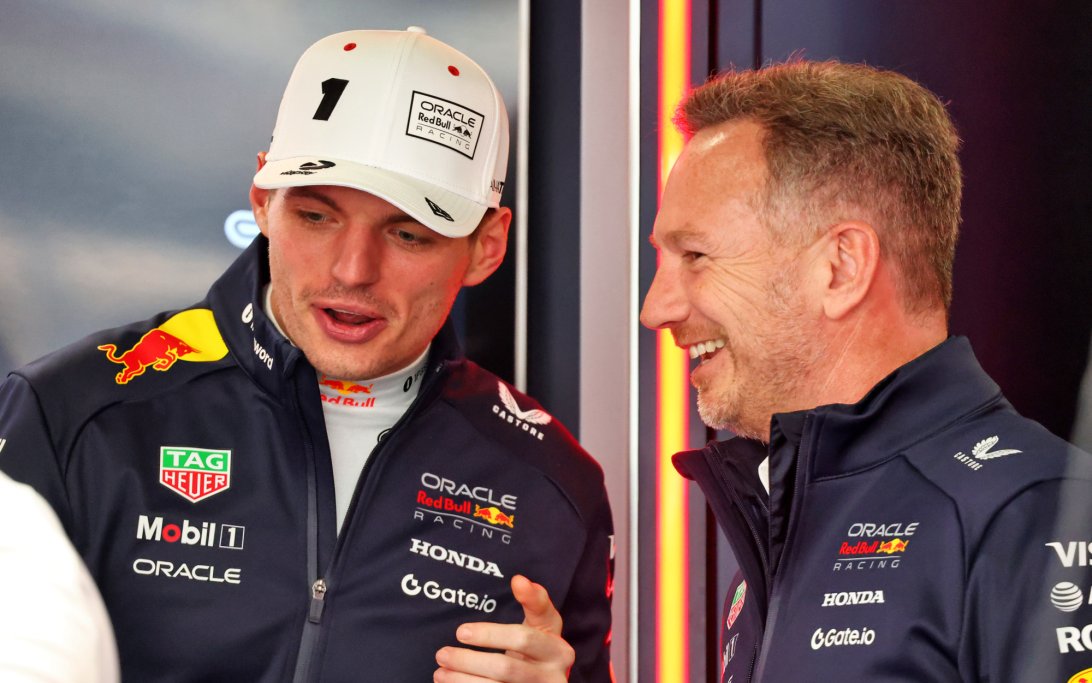
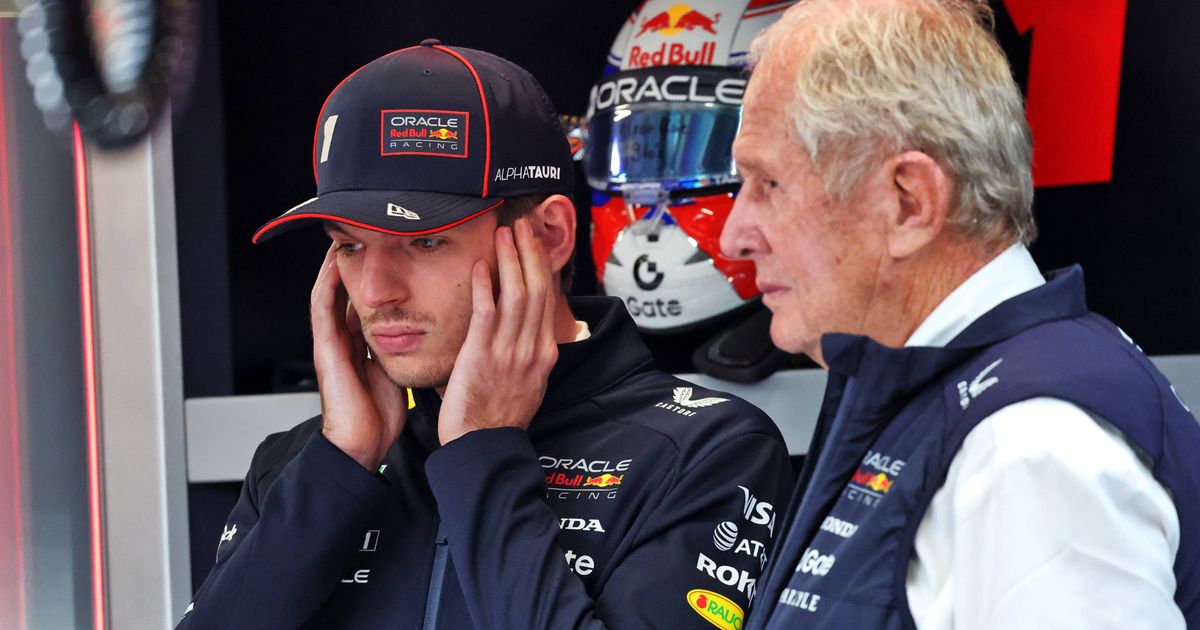
Former F1 driver Ralf Schumacher believes Helmut Marko's public criticism of Christian Horner and Red Bull, while factually correct, came at the wrong time and in the wrong manner. Schumacher argues that Marko had the power to address these issues years ago when Red Bull founder Dietrich Mateschitz was alive, making his post-departure revelations appear more like vindictive score-settling than principled truth-telling.
Why it matters:
The public airing of Red Bull's internal strife by a legendary figure like Marko tarnishes the legacy of one of F1's most dominant eras. It highlights how deep-seated power struggles, often hidden during periods of success, can erupt destructively once key figures depart, potentially damaging the team's internal morale and public image long after the fact.
The details:
Schumacher's critique centers on timing and past inaction.
- He confirms the existence of "two camps" within Red Bull but points out that Marko was once much more powerful.
- Schumacher reveals that Mateschitz himself had previously wanted to dismiss Horner over loyalty concerns, and Marko, then closely allied with the founder, had the chance to act but did not.
- The power dynamic shifted decisively after Mateschitz's death, with Horner consolidating influence with the Thai shareholder faction, leaving Marko and the Austrian side "somewhat powerless."
- Schumacher agrees with the substance of Marko's claims, stating the team became a "disaster" under Horner, losing many good people because of his operational style, which created an image that "he had achieved everything, and he didn't need anyone else."
Between the lines:
Schumacher's commentary suggests Marko's outburst was an act of frustration by a man who realized his influence had vanished. By speaking out only after his exit, Marko's actions risk being perceived as bitterness rather than a courageous stand. Meanwhile, Horner's subsequent silence, following a substantial financial settlement, is framed as a calculated "obligation of silence," purchased by the team to draw a line under the controversy. The episode serves as a stark lesson in corporate politics, where the same truths hold different weight depending on when and by whom they are delivered.
What's next:
With Marko's chapter closed and Horner reportedly bound by a confidentiality agreement, Red Bull under Laurent Mekies will aim to move forward. The focus will return to on-track performance, but the scars of this very public feud may linger within the team's culture. The key for Red Bull's future will be ensuring that the management structure and internal dynamics are robust enough to prevent a repeat of such a divisive power struggle.
Original Article :https://f1i.com/news/556481-schumacher-marko-wrong-to-air-red-bulls-dirty-laundr...