









F1 2026: A Technical Revolution - Lighter Cars, Active Aero, and New Power Modes Explained
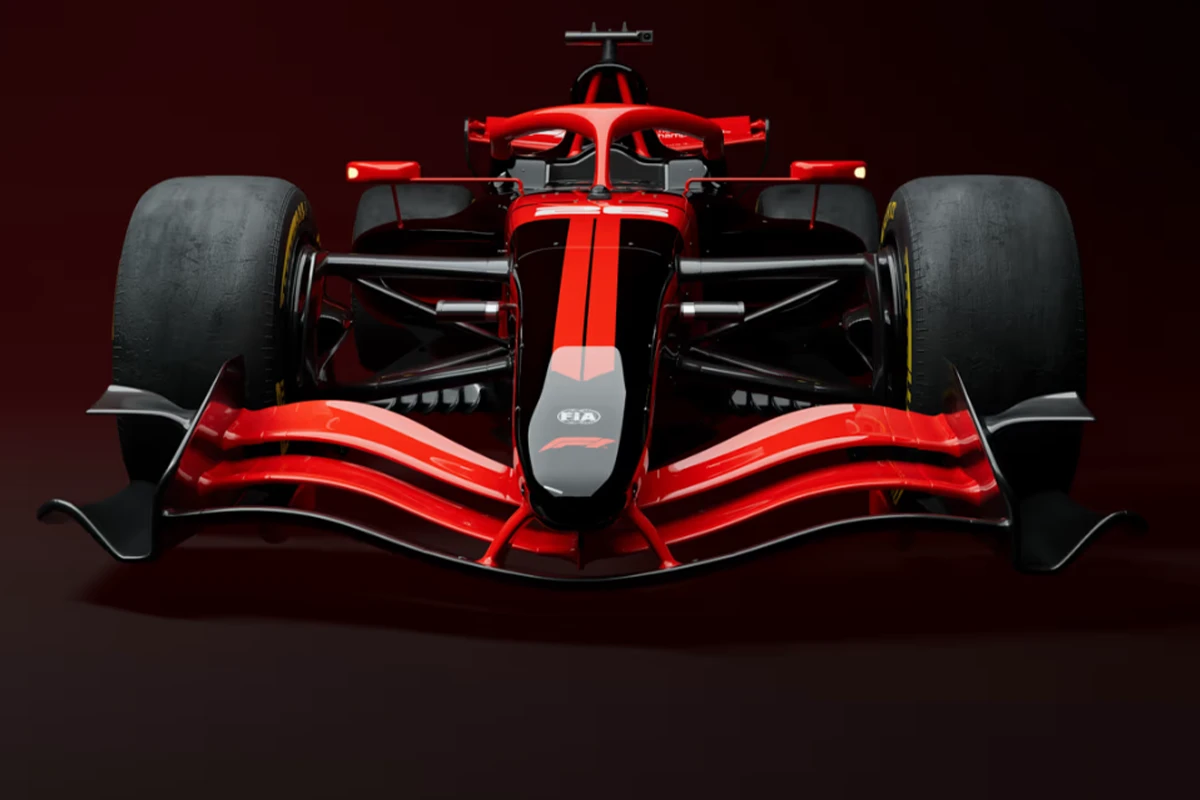
Formula 1 is undergoing its most radical technical overhaul in years for the 2026 season, introducing lighter, more nimble cars, active aerodynamics, and a completely revised power unit. The goal is to create closer, more driver-centric racing with increased overtaking opportunities. The FIA has released the first official renderings of the new-generation cars, showcasing a significant departure from the current design philosophy.
Why it matters:
This regulation change represents a fundamental shift in F1's technical identity, moving away from heavy, ground-effect-dependent cars to machines that place a greater premium on driver skill and energy management. By simplifying some elements while adding strategic complexity in others, the sport aims to address long-standing criticisms about overtaking difficulty and reduce the performance gap between teams.
The Details:
- Smaller & Lighter Cars: The 2026 chassis will be substantially more compact, with a 20cm reduction in wheelbase (to 3.4 meters) and a 10cm reduction in overall width (to 1.9 meters). Combined with a 15cm narrower floor, this results in a car that is approximately 30kg lighter.
- Aerodynamic Shift: The downforce levels are targeted to drop by 30%, with a 40% reduction in drag. This aims to make the cars less sensitive when following another car closely, a key factor in improving racing.
- Active Aero Replaces DRS: The Drag Reduction System (DRS) is eliminated. In its place, an active aerodynamic system with movable front and rear wing elements allows drivers to switch between two modes:
- Straight Mode: Flattens wing elements to minimize drag and maximize top speed on long straights.
- Corner Mode: Returns wings to a maximum downforce configuration for grip and stability in corners.
- Power Unit Revolution: The complex MGU-H (Motor Generator Unit-Heat) is removed entirely. The MGU-K (Motor Generator Unit-Kinetic) is significantly more powerful, delivering up to 350kW (approx. 470 horsepower) of electrical energy. This massively increases the hybrid system's contribution, reducing the reliance on the internal combustion engine.
By the Numbers:
- 30% Less Downforce and 40% Less Drag targeted for new cars.
- 350kW of maximum electrical power from the MGU-K, nearly triple the current output.
- ~30kg weight reduction from the current 798kg minimum weight.
- 20cm shorter wheelbase, making cars more agile and potentially trickier to drive.
The Big Picture:
The 2026 rules are designed to rebalance the performance equation from pure aerodynamic efficiency back towards driver influence and strategic energy deployment. The new technical glossary reflects this shift:
- Overtake Mode: Activated when within one second of a car ahead, this mode provides a temporary boost of electrical energy, replacing the DRS effect with pure power.
- Boost Mode: A driver-deployable power boost available at any time, usable for attacking or defending, not tied to specific track zones.
- Recharge Mode: A strategic setting where the driver can prioritize harvesting energy back into the battery under braking or in less demanding corners, banking power for later use.
What's Next:
Teams are already deep into the development of their 2026 challengers, with the new power units being a particular focus due to the massive shift in energy recovery architecture. The success of these regulations will be judged on whether they deliver the promised more dynamic and unpredictable racing, where a driver's ability to manage multiple systems in real-time becomes a decisive factor. The 2026 season promises to reset the competitive order and could see a new era of talent-focused competition in Formula 1.
Original Article :https://f1-insider.com/formel-1-2026-regeln-autos-technik-begriffe-73495/