




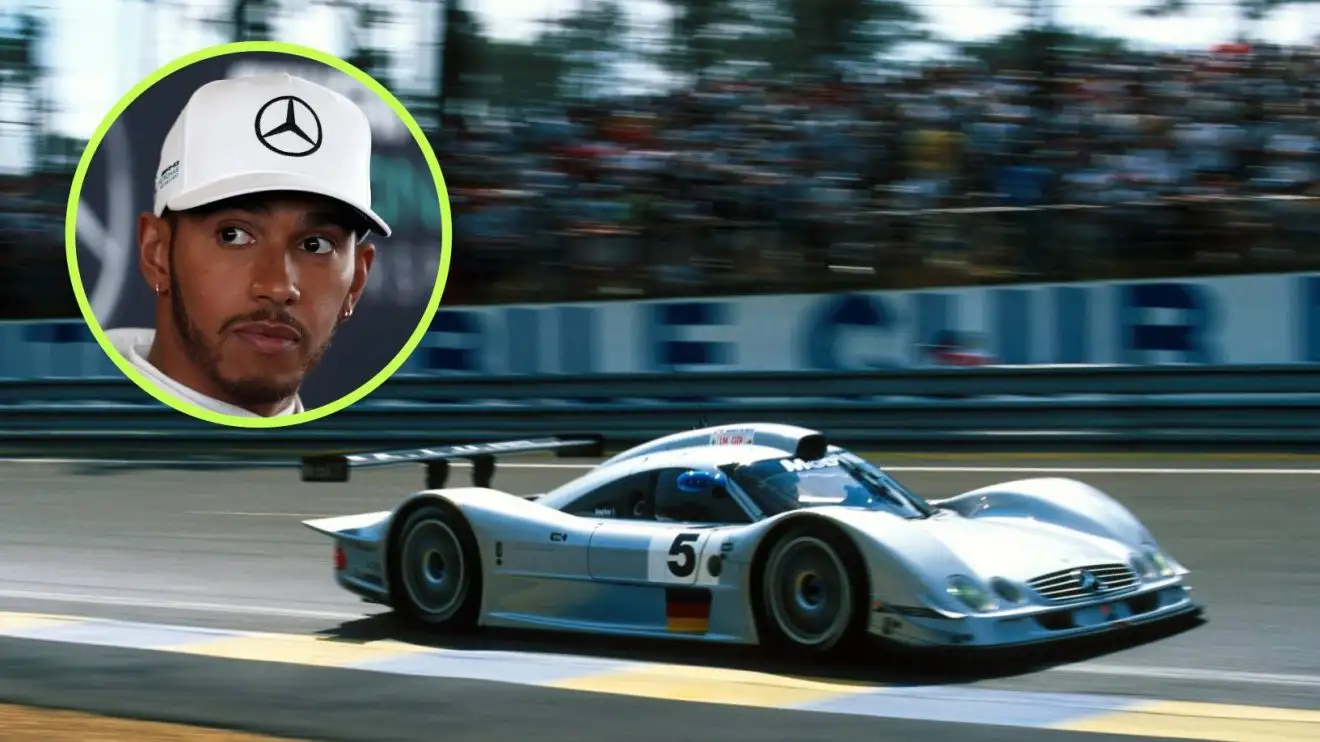
Mercedes' 1999 Le Mans Catastrophe: The Crashes That Shaped Hamilton's F1 Future
The terrifying aerodynamic failures of Mercedes' CLR sportscars at the 1999 Le Mans 24 Hours, which saw three cars flip into the air, could have had a devastating impact on Formula 1. Had a driver been harmed, Mercedes would likely have shuttered its entire motorsport program, an act that would have prevented the creation of their all-conquering F1 team and the rise of Lewis Hamilton, a driver nurtured and powered by the Silver Arrows to seven world titles.
Why it matters:
This incident is more than a dramatic motorsport story; it's a critical turning point. A fatal accident at Le Mans in 1999 would have triggered a corporate and moral crisis for Mercedes-Benz, likely leading to an immediate withdrawal from all racing. The downstream effect would have been monumental, erasing the Mercedes-McLaren championship-winning partnership, the creation of the Mercedes-AMG Petronas F1 team, and the entire career arc of the most successful driver in F1 history.
The details:
- The Flawed Design: Mercedes developed the CLR to succeed the successful CLK GTR. Despite over 35,000km of testing, a catastrophic aerodynamic flaw went undiscovered: in specific conditions, particularly in the slipstream of another car, the front-end could generate enough lift to overcome downforce, causing the car to take flight.
- First Flip (Practice): Mark Webber, later an F1 race winner, experienced the first terrifying flip during a Thursday practice session. The crash was not televised, and the team, including driver Bernd Schneider, initially failed to grasp the severity of the underlying problem, attributing it to a potential setup issue.
- Second Flip (Warm-up): After rebuilding the car, Webber flipped again during Saturday's warm-up. This time, it was captured on television, sending shockwaves through the paddock and prompting motorsport chief Norbert Haug to consider withdrawing the cars. Schneider and other team members convinced Haug to race by promising to use a high-downforce "rain setup."
- The Final Straw (The Race): On Lap 75 of the race, Peter Dumbreck’s CLR lifted off while pursuing a Toyota. TV cameras broadcast the horrifying sight of the car soaring over the barriers and tumbling end-over-end into a forested area. Miraculously, Dumbreck walked away unharmed. This was the definitive end; the remaining Mercedes CLR was immediately ordered to pit and withdraw from the race.
Looking Ahead:
Mercedes promptly canceled its sportscar program and did not return to top-level endurance racing until 2025. The company instead doubled down on its F1 engine partnership with McLaren, which had just signed a young Lewis Hamilton to its junior program. As Bernd Schneider later reflected, the 1999 Le Mans was "one of the luckiest days of Mercedes motorsports," because avoiding tragedy allowed the brand to build the F1 dynasty that would define the next era and propel Hamilton to greatness. The CLR remains a notorious relic, a symbol of a near-disaster that paradoxically paved the way for unprecedented success.
Original Article :https://www.planetf1.com/news/1999-le-mans-24-hours-mercedes-crashes-bernd-schne...