



Formula E's Jeddah track: How the electric series adapts F1's fastest street circuit
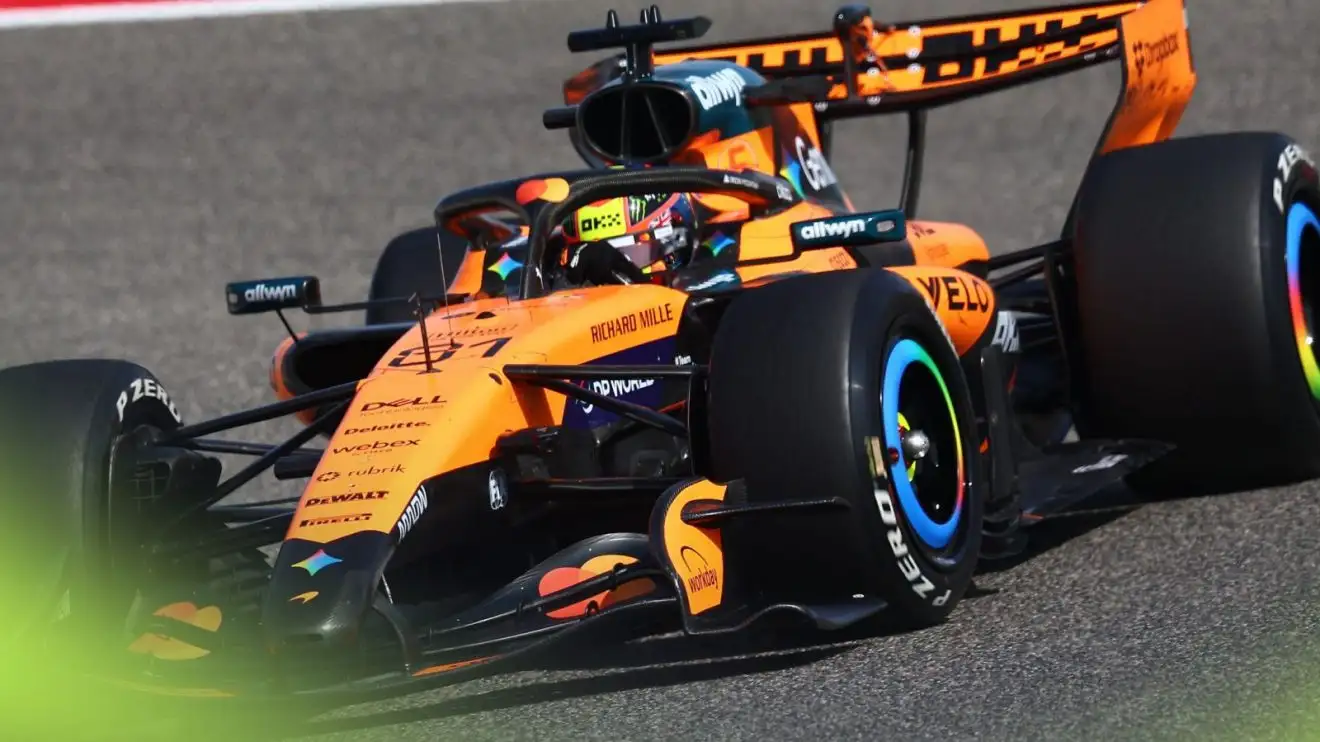
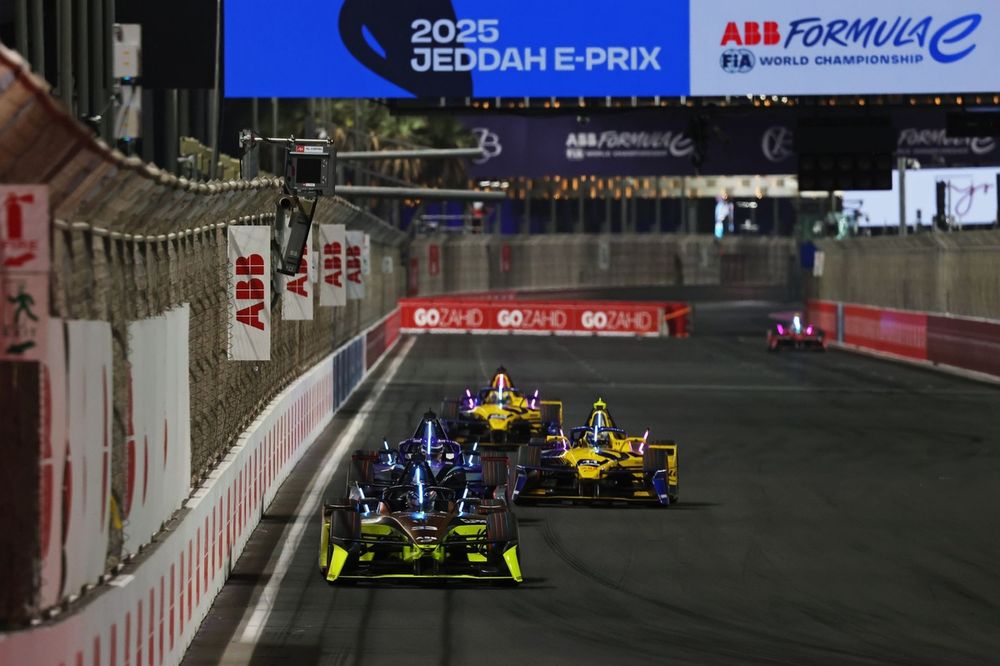
Formula E returns to Saudi Arabia this weekend, racing on a modified, shorter version of the high-speed Jeddah Corniche Circuit used in Formula 1. The bespoke 3km layout, designed for the unique demands of electric racing, shares only a handful of corners with its F1 counterpart, incorporating artificial chicanes to promote overtaking and energy recovery. Drivers with experience on both layouts note the significant differences in speed and character, acknowledging the compromise necessary for competitive FE racing.
Why it matters:
The adaptation of premier circuits like Jeddah highlights the distinct engineering and sporting philosophies separating Formula 1 and Formula E. While F1 prioritizes ultimate speed and aerodynamic performance, FE's focus on energy management and close racing necessitates fundamental changes to track design. This case study shows how the same location can host two dramatically different racing experiences, reflecting the core identity of each championship.
The details:
- The FE layout utilizes the same main straight and pit complex as F1 but diverges after Turn 3, reconnecting at what is Turn 21/22 on the grand prix circuit.
- To create opportunities for energy regeneration and passing, organizers added four artificial straights—two on the back straight and two on the main stretch.
- The final configuration features 19 corners compared to the full F1 layout's 27, with the entire high-speed first sector removed.
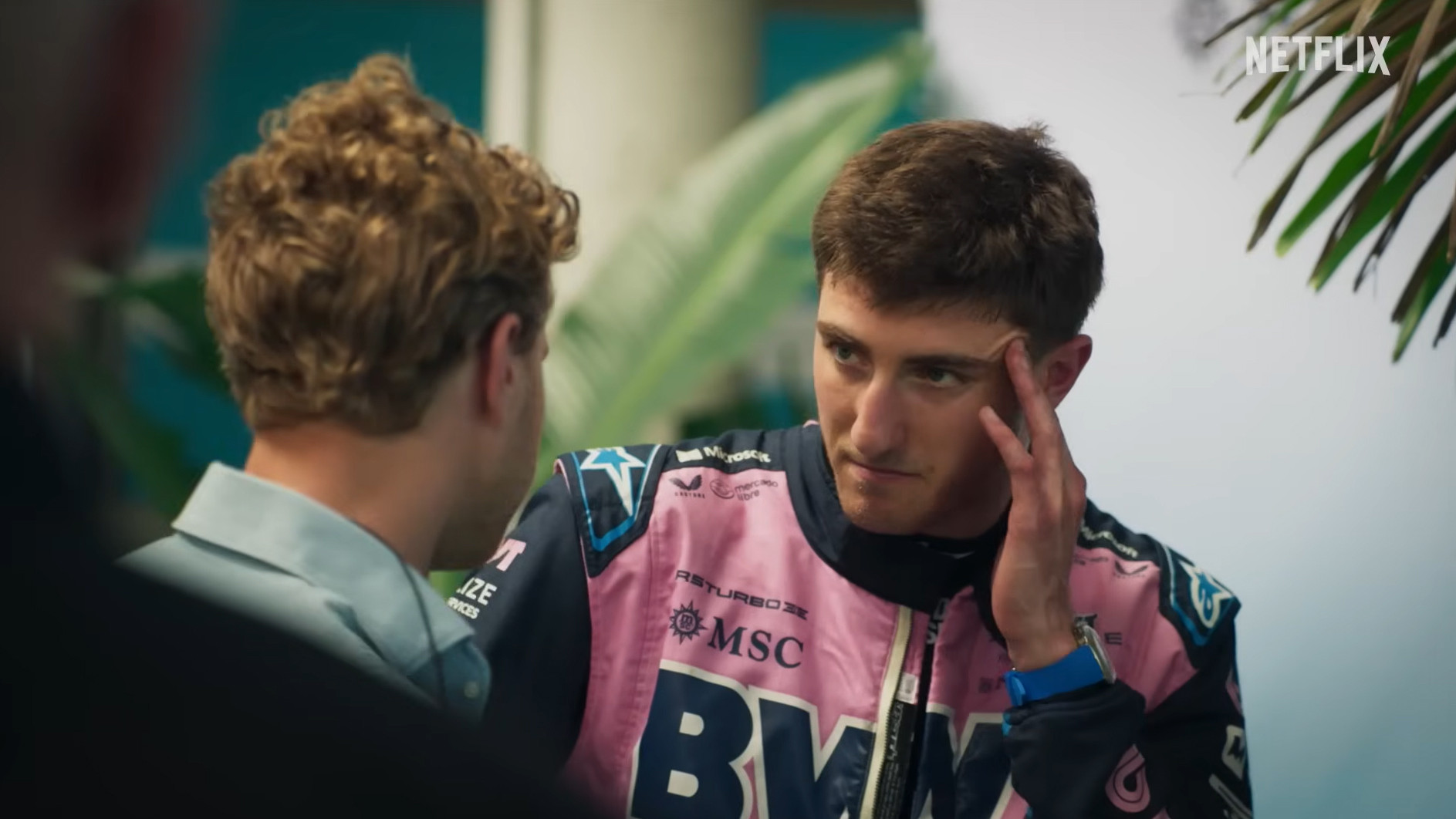
- Driver Perspectives: Nyck de Vries, the only driver to race both an F1 and FE car in Jeddah, emphasized the vastly different speeds and resulting track feel. 2023 FE champion Jake Dennis, who drove the full layout in GT racing, expressed missing the "fun" first sector but acknowledged the FE version offers a "good blend" for energy-saving racing. Newcomer Felipe Drugovich and Dan Ticktum, both fans of the "balls-out" full F1 track, found the FE layout acceptable but noted the abundance of tight chicanes.
What's next:
The Jeddah E-Prix will serve as another test of this bespoke circuit's ability to produce the strategic, energy-conscious racing Formula E is known for. As the series continues to race on adapted versions of iconic tracks, the balance between preserving a circuit's essence and meeting the specific needs of electric racing will remain a key topic. The driver feedback suggests a general acceptance of the compromise, even if the visceral thrill of the full F1 circuit is sacrificed for better racecraft.
Original Article :https://www.motorsport.com/formula-e/news/how-formula-e-jeddah-layout-differs-fr...