



Verstappen Slams 2026 F1 Rules as 'Formula E on Steroids'
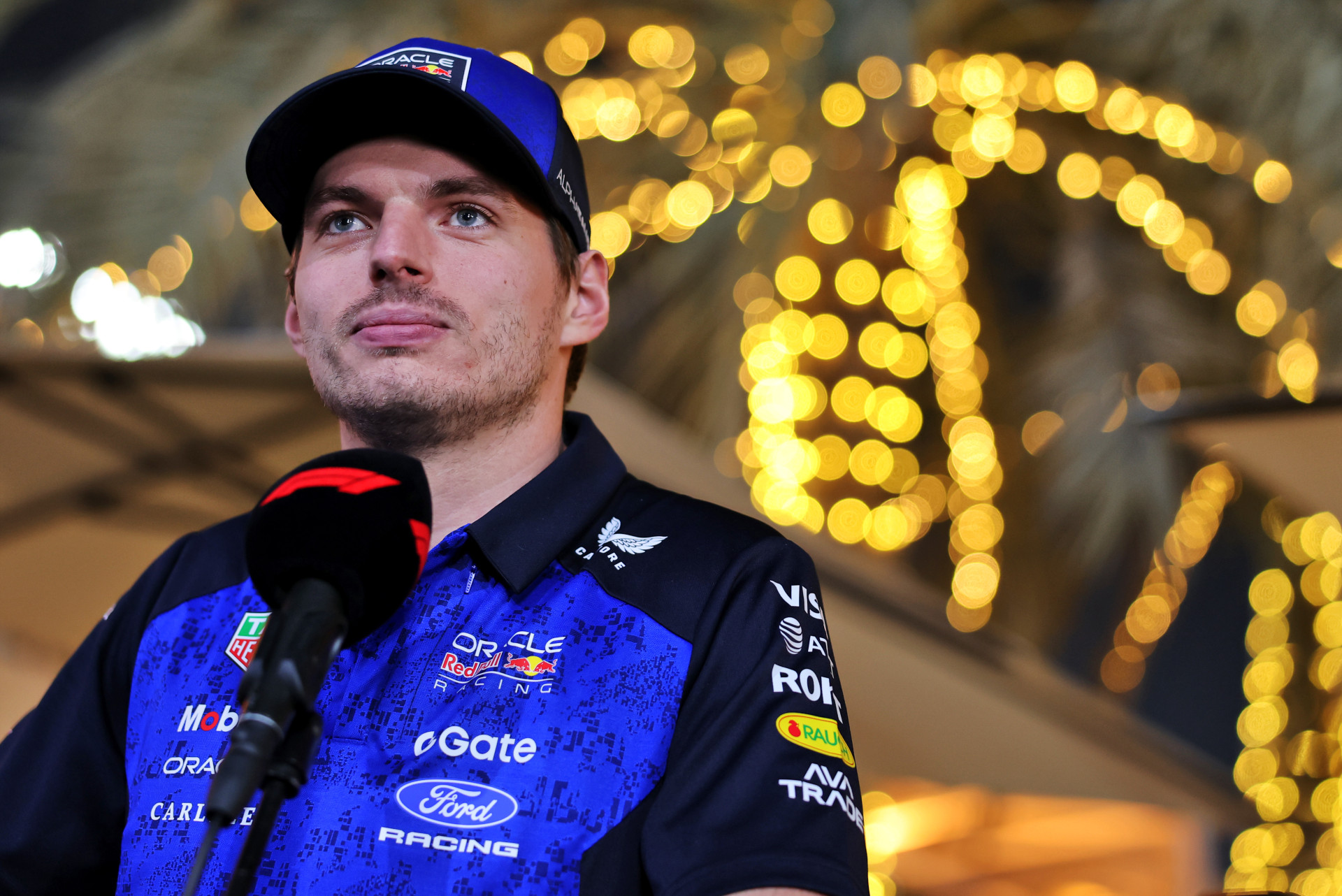
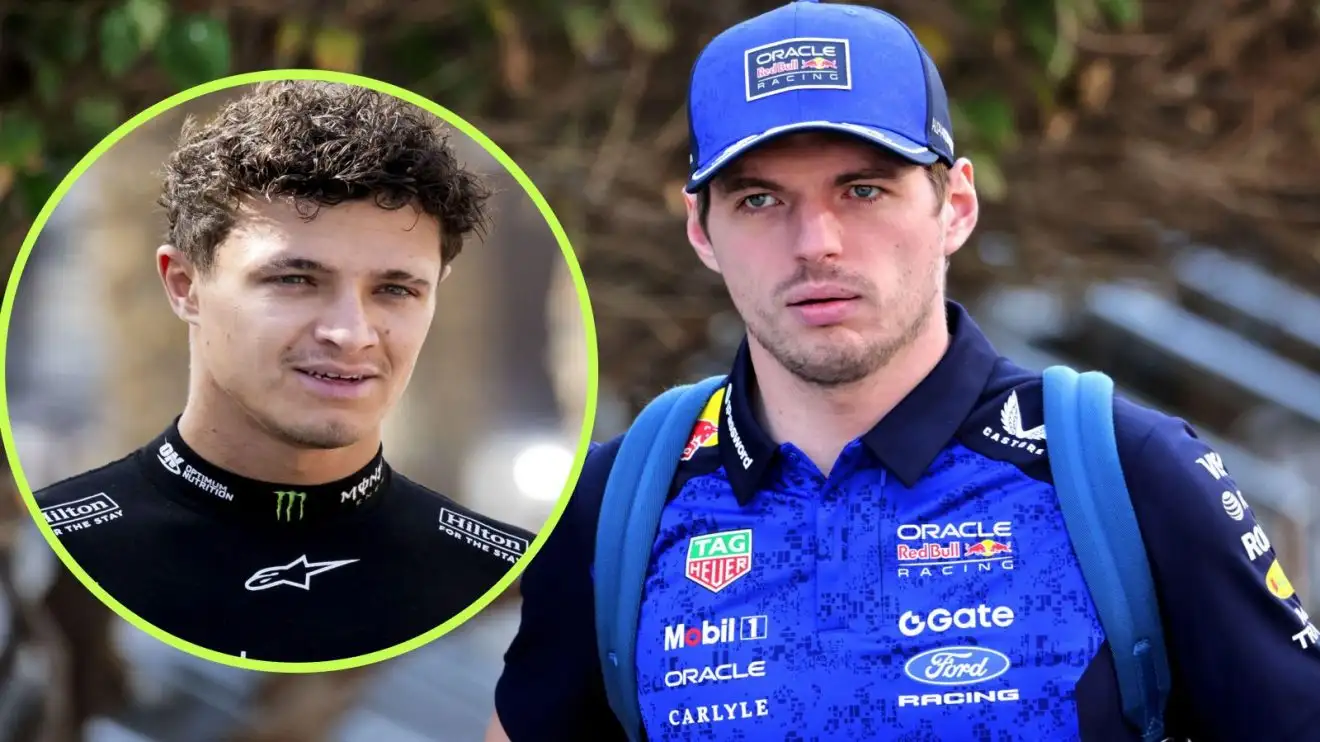
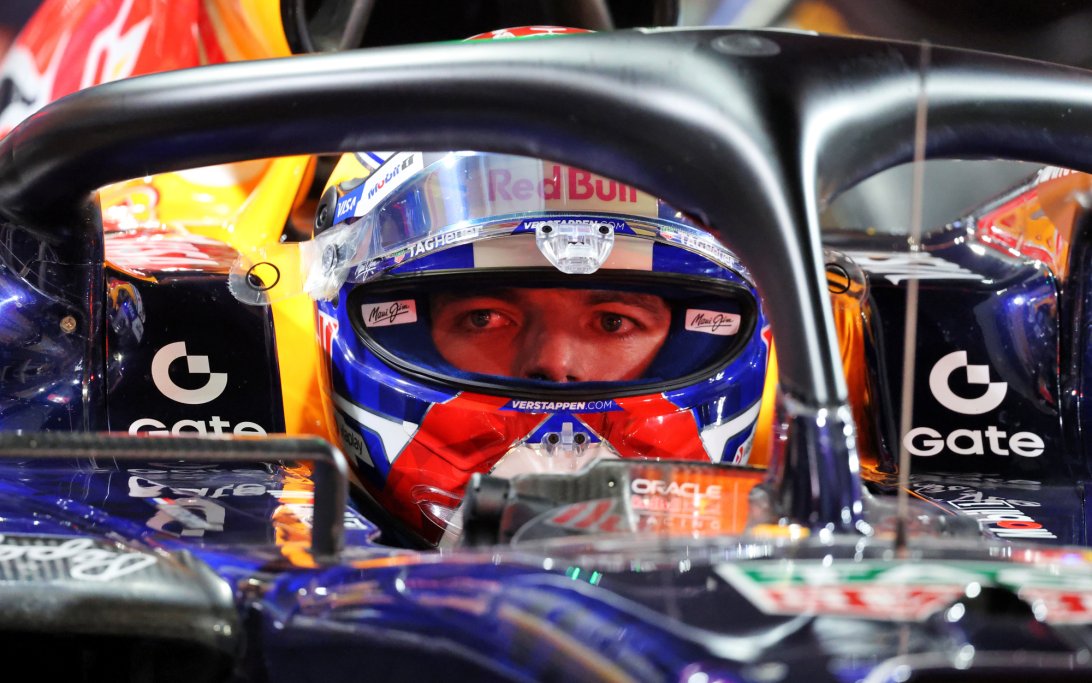
Max Verstappen has launched a blistering critique of Formula 1's incoming 2026 technical regulations, suggesting the extreme energy management demands are so severe that drivers might as well "drive in Formula E." His comments cast a shadow over the second day of pre-season testing in Bahrain, which also saw Mercedes forced into a major power unit change and Ferrari's Charles Leclerc topping the timesheets.
Why it matters:
The sport's reigning champion and most prominent figure publicly branding the new era as "anti-racing" presents a significant credibility challenge for F1's rulemakers. Verstappen's threat, however vague, to walk away over the direction of the sport underscores a potential disconnect between the desired spectacle and the drivers' experience behind the wheel. Meanwhile, Mercedes' early reliability scare highlights the intense pressure teams are under to perfect complex new power units before the season begins.
The details:
- Verstappen's Verdict: The Red Bull driver criticized the 2026 rules, where power is split 50/50 between the internal combustion engine and a vastly more powerful electrical system (350kW, up from 120kW). He labeled the driving experience "Formula E on steroids," arguing the constant need to manage energy recovery and deployment is counter to pure racing.
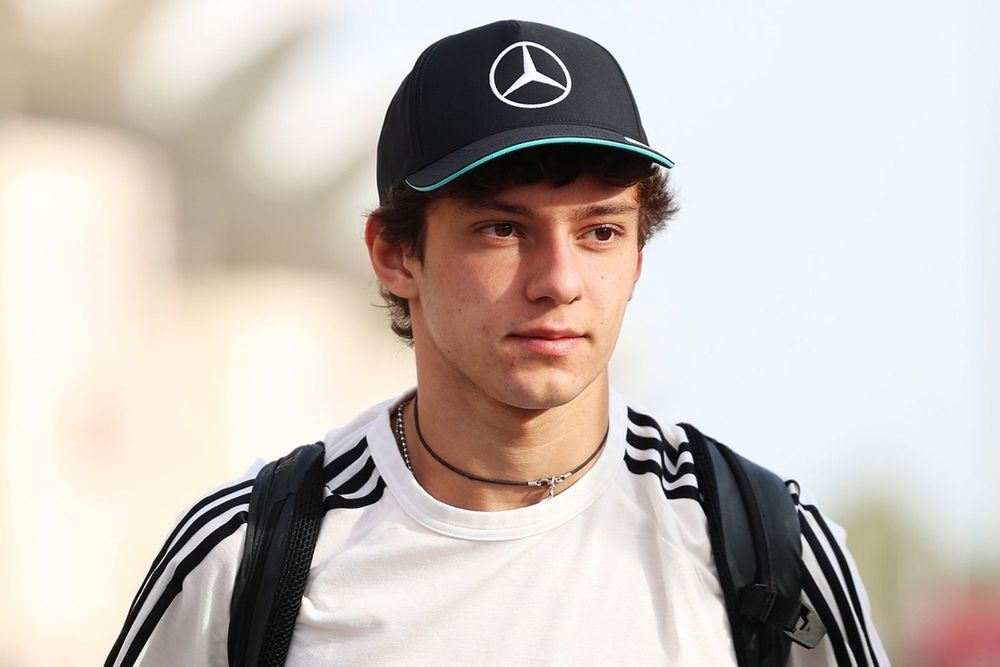
- Mercedes Setback: The Silver Arrows were forced to execute a complete power unit change on the car driven by rookie Kimi Antonelli after discovering an issue. The change cost the team valuable track time during the crucial test.
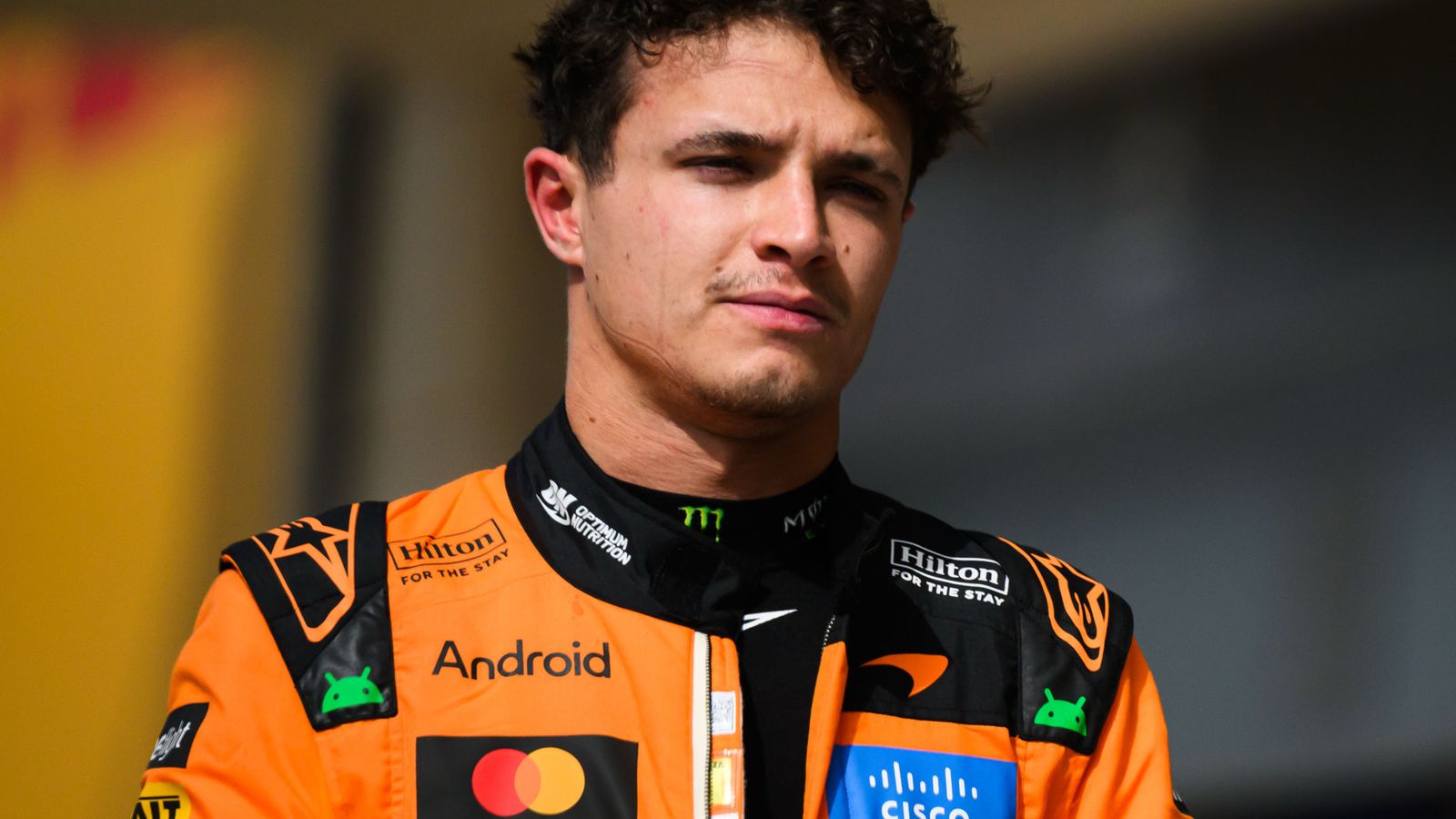
- Testing Times: On track, Charles Leclerc set the fastest time of the day for Ferrari, going five-tenths quicker than McLaren's Lando Norris. Separately, Carlos Sainz, now at Williams, reviewed GPS data and called Red Bull's performance "mighty impressive," suggesting they remain a step ahead.
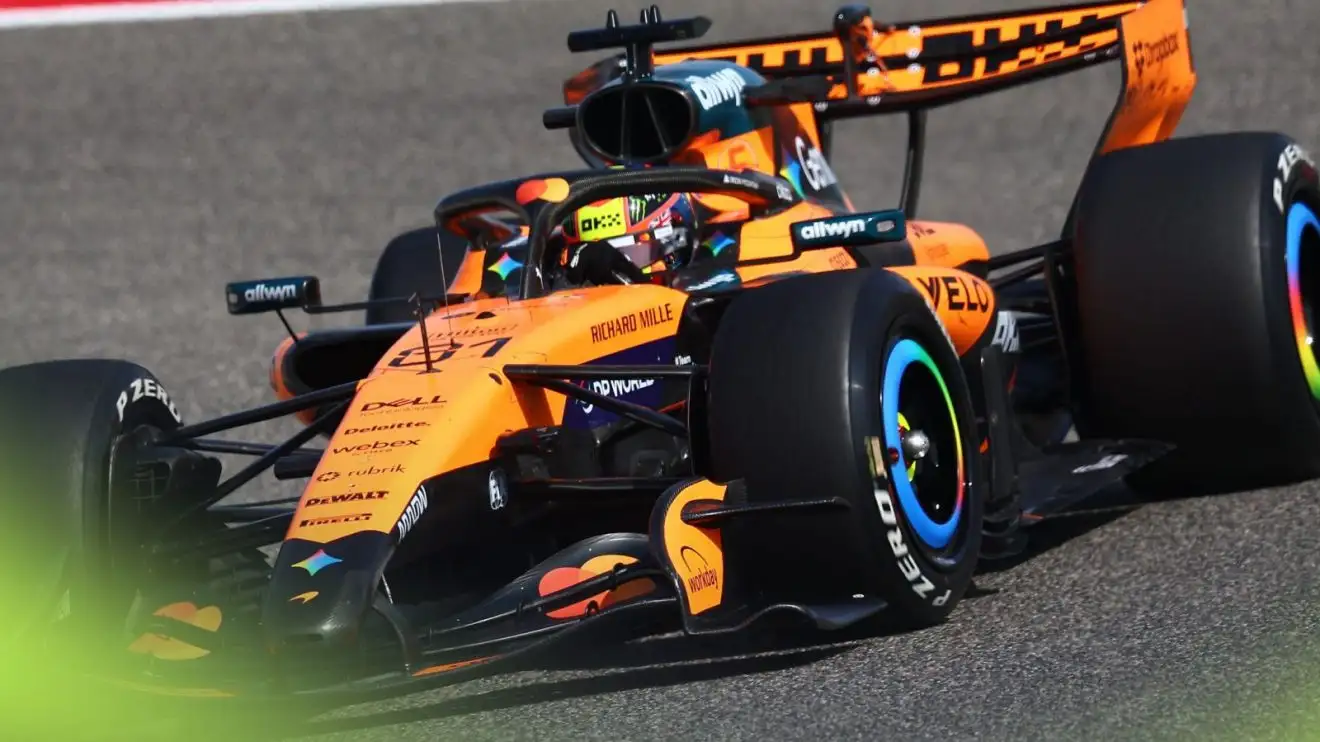
- McLaren's Approach: Sky Sports' Ted Kravitz noted McLaren is taking an unusual strategy, running what is believed to be its complete Melbourne-spec aerodynamic package already, while rivals are phasing in upgrades across the two tests.
The big picture:
The 2026 season is poised to be the most significant technical reset in a generation, and the early reactions are mixed. While engineers work to unlock performance from the new powertrains, drivers are voicing concerns about the fundamental nature of the challenge. Verstappen's comments, echoed by some peers, suggest a fear that strategy and energy conservation could overtake wheel-to-wheel combat as the defining factor. Teams like Mercedes are already facing the harsh reality of developing these complex units reliably.
What's next:
The final day of the first pre-season test will continue under the spotlight of Verstappen's criticism. All eyes will be on how teams, particularly Mercedes, recover from their setbacks and gather data. The court of public opinion regarding the 2026 rules will continue to develop as more drivers experience the cars, setting the narrative for the season opener in Australia.
Original Article :https://racingnews365.com/max-verstappen-launches-f1-2026-criticism-as-mercedes-...