



Verstappen Blasts 2026 F1 Regulations as 'Anti-Racing' in Pre-Season Test Outburst
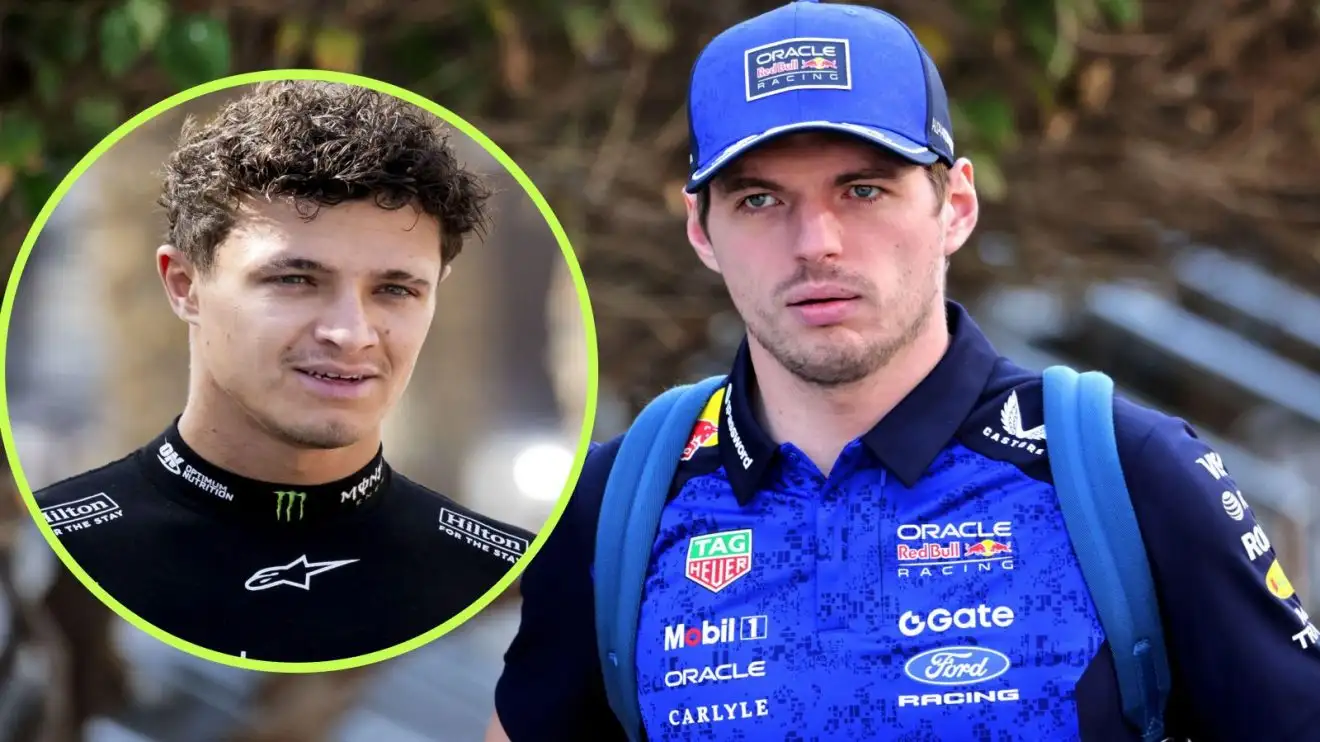
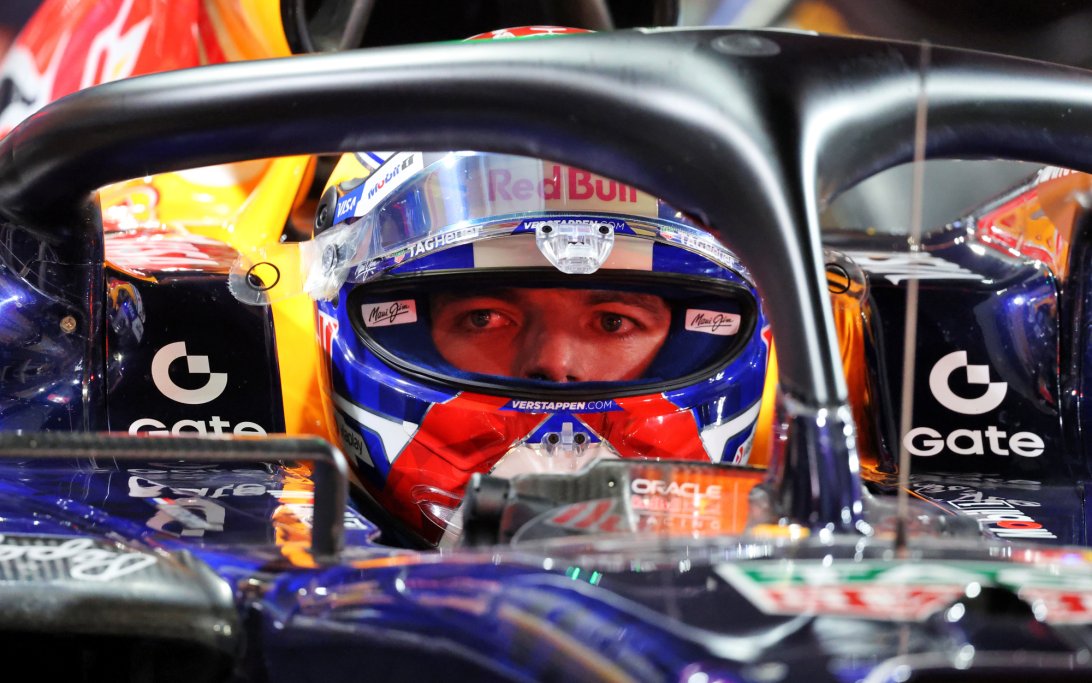
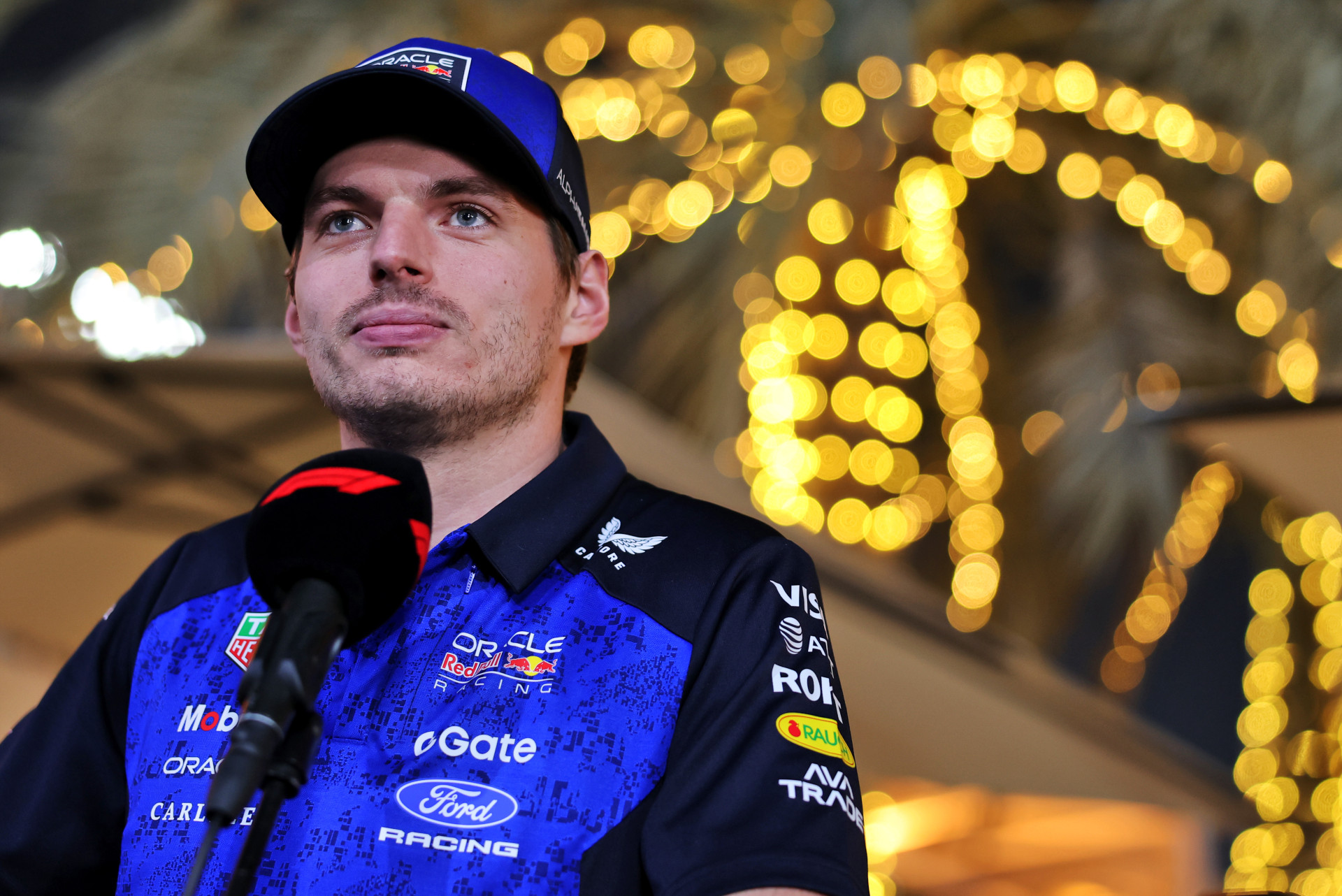
Max Verstappen has launched a scathing critique of Formula 1's new 2026 technical regulations, labeling the driving experience as "not very Formula 1-like" and "a bit anti-racing" during pre-season testing in Bahrain. The three-time champion's stark assessment, which included a comparison to "Formula E on steroids," stands in direct contrast to the more optimistic view of rivals like Lando Norris, highlighting a significant driver divide over the sport's future direction.
Why it matters:
Verstappen's vocal dissatisfaction strikes at the heart of F1's ongoing balancing act between technological progress, sustainability, and pure sporting spectacle. As the sport's biggest star, his public critique of the core driving experience raises questions about long-term driver engagement and could influence future regulatory decisions. His comments also cast a shadow over what is meant to be an exciting new era, putting the onus on the spectacle of the racing itself to win over critics.
The details:
- The Core Complaint: Verstappen's primary issue is with the extreme energy management required by the 2026 power units, where a 50-50 split between internal combustion and electric power (350kW) forces drivers to lift and coast even during qualifying laps. He stated the sensation is "not a lot of fun" and undermines the traditional "flat-out" ethos of F1.
- A Stark Comparison: The Red Bull driver drew a direct, unflattering parallel to Formula E, suggesting the series focused on energy efficiency might be a more appropriate fit for the new driving style. "For me, that's just not Formula 1," he emphasized.
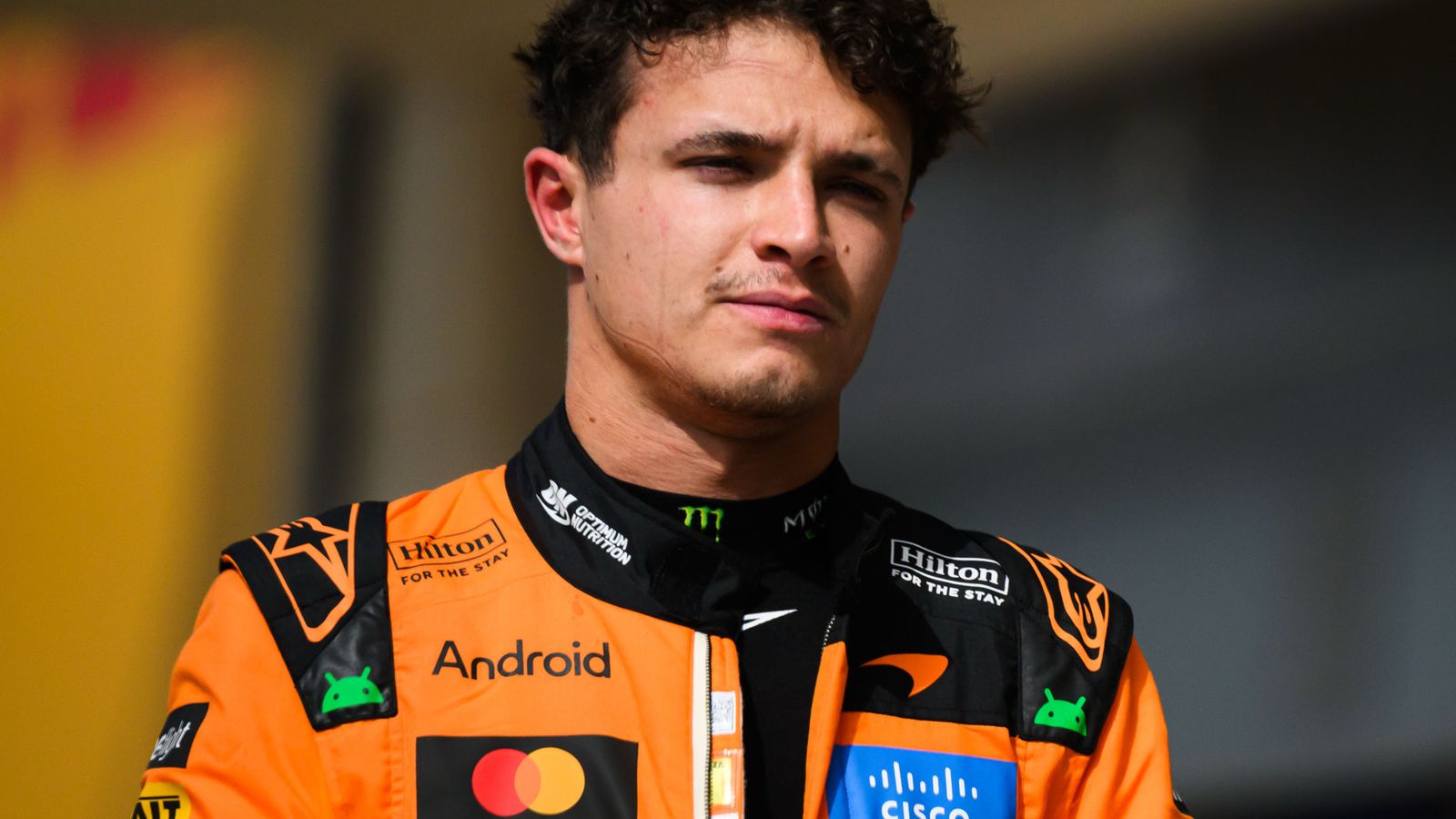
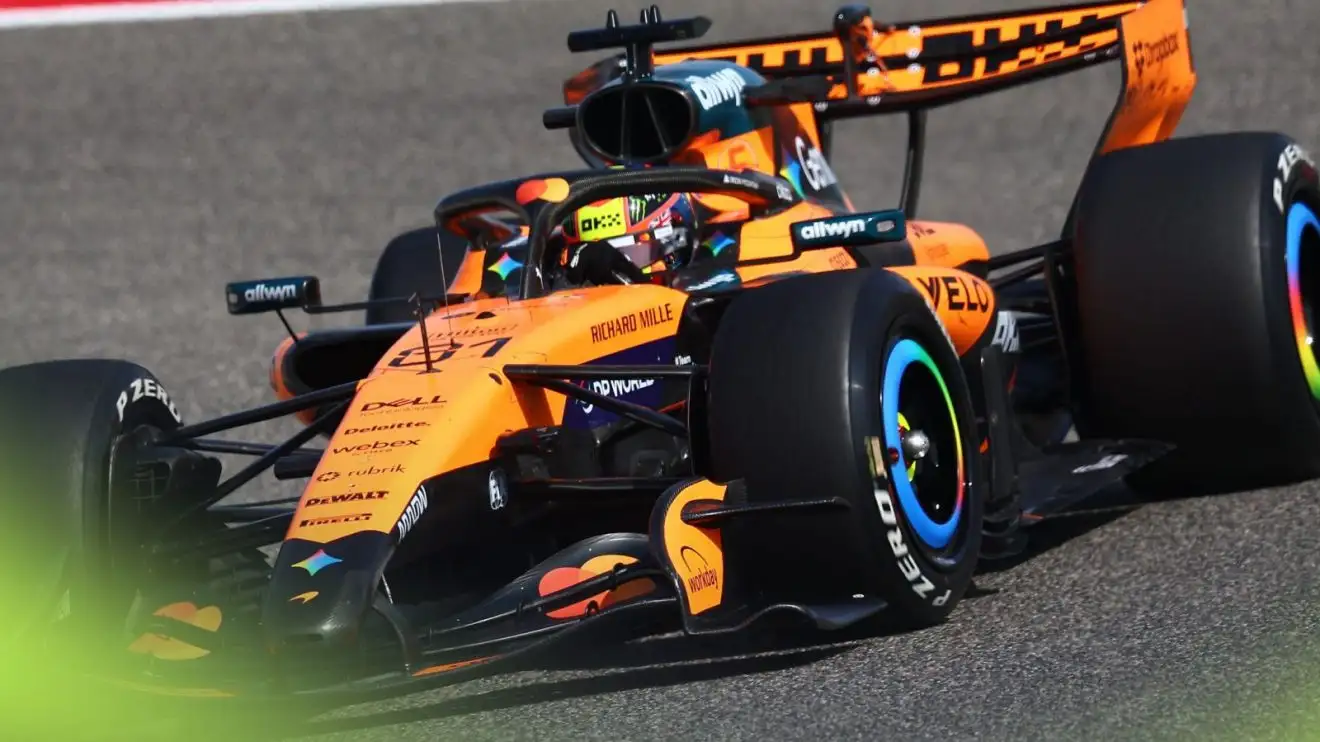
- Contrasting Views: 2025 champion Lando Norris offered a counterpoint, calling the new challenge "a lot of fun" and a "good, fun challenge for engineers and drivers." He acknowledged the cars are slower and less "beautiful" to drive but defended the evolving nature of the sport.
- Contextual Praise: Despite his criticism, Verstappen tempered his remarks with praise for the work of the Red Bull Powertrains division, acknowledging the team's effort behind their new Ford-branded engine. He affirmed he would "always give it my best" for the team.
- Future Implications: Verstappen linked his enjoyment directly to his future in the sport, joking that at least in GT3 racing at the Nürburgring "you can drive flat out." His long-term satisfaction has become a recurring subplot amid his Red Bull contract.
The big picture:
The divergent reactions from Verstappen and Norris encapsulate a classic F1 tension: the push for road-relevant, efficient technology versus the preservation of raw, driver-centric performance. Verstappen's comments represent a purist's lament for a perceived dilution of F1's core identity, while Norris's stance reflects an acceptance of evolution and new technical puzzles. This fundamental disagreement among top drivers presents a narrative challenge for F1 as it launches its next regulatory cycle, where the proof will ultimately be in the quality of the racing produced.
What's next:
All eyes will be on whether the on-track action in the early races justifies the new technical complexity. Verstappen's performance motivation is not in doubt, but his public stance increases pressure on the sport to demonstrate that the racing has improved. The development race will also be crucial, as teams rapidly work to claw back the performance and drivability that the new rules have initially sacrificed, potentially altering the driver experience over the course of the season.
Original Article :https://speedcafe.com/f1-news-2026-max-verstappen-on-new-regulations-energy-mana...