





Fans Demand Change After Bearman's High-Speed Suzuka Crash
A massive 93% of over 2,000 fans polled believe Formula 1's regulations need revising following Oliver Bearman's frightening high-speed crash at the Japanese Grand Prix. The incident, caused by a sudden 50kph speed differential with a car ahead, has ignited a fierce debate about the inherent risks in the sport's new technical era, with calls for the FIA to prioritize safety.
Why it matters:
The crash exposed a critical safety flaw stemming directly from the 2026 car regulations, where massive speed differences can occur instantaneously due to energy deployment and harvesting. With drivers already vocal about the cars' unpredictable driveability, this incident provides tangible, dangerous evidence that theoretical concerns are now real-world threats, putting pressure on the FIA to act before a more serious accident occurs.
By the numbers:
- 93% of polled fans support some form of regulatory change after Bearman's crash.
- 80% voted for major changes, while 13% supported minor tweaks.
- Only 7% believe no change is necessary.
- Bearman's impact was recorded at approximately 50G—around ten times the peak cornering force a driver normally experiences.
- The closing speed with the car ahead was about 50kph (30mph) before Bearman took evasive action.
The details:
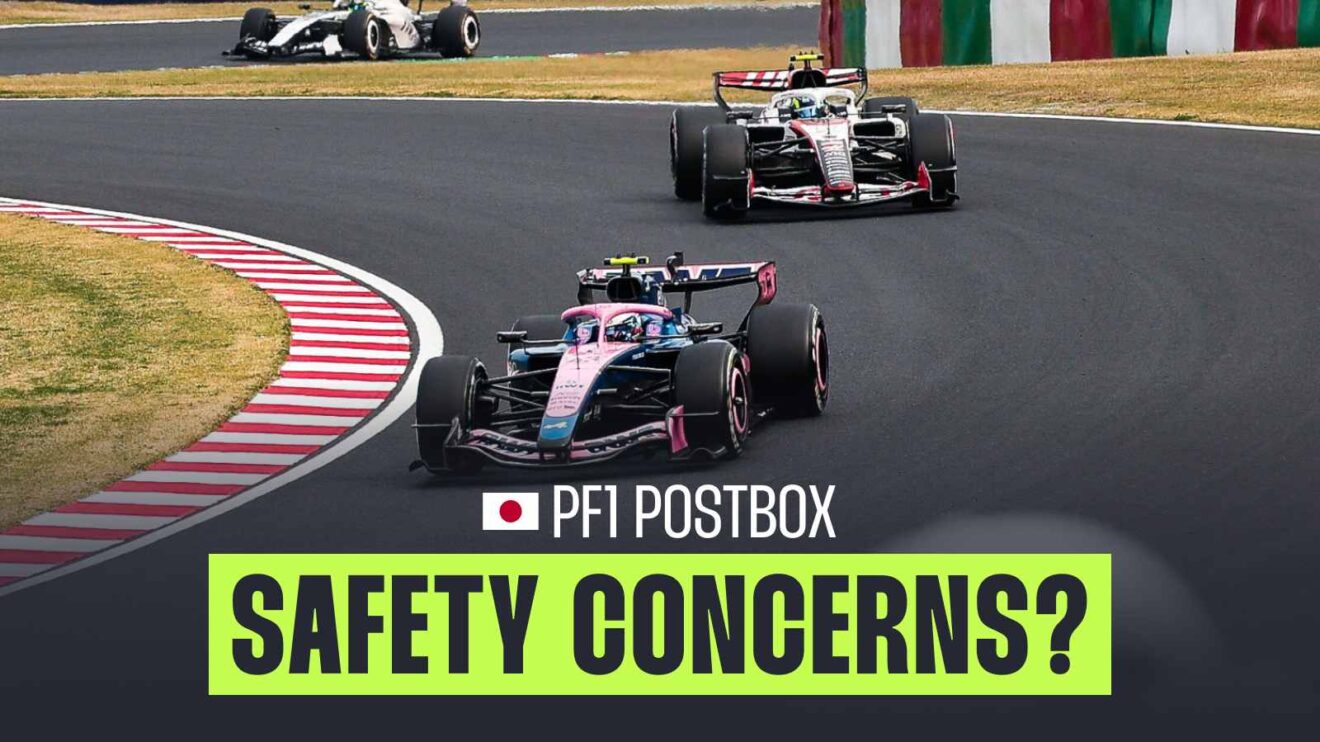
The crash occurred when Bearman, driving for Haas, encountered the slower Alpine of Franco Colapinto on the approach to Spoon Curve. Facing a rapid closure rate, Bearman swerved onto the grass at roughly 190mph, instantly losing control and hitting the barrier. While he escaped with only bruising, the violence of the impact highlighted the extreme forces involved. The core issue identified by fans and analysts is the current ruleset, which allows for such drastic speed deltas when one car is harvesting energy and another is deploying it, creating a potentially lethal mismatch on track.
Fan feedback, gathered from hundreds of comments, reveals a divided but passionate audience. Many argue for immediate safety interventions, such as stricter penalties for erratic driving under low energy or technical fixes to minimize speed variance. Others caution against a full-scale panic, viewing the crash as a racing incident exacerbated by rookie decision-making and warning that constantly changing rules undermines the sport. A significant thread of criticism is aimed at the 2026 car concept itself, with fans deriding the "Mario Kart" style of racing and calling for a return to a purer form of competition where the driver, not a battery deployment map, dictates overtaking.
What's next:
The FIA has already scheduled talks in April to review the first three races under the new regulations, and Bearman's crash is certain to be a central topic. The overwhelming fan sentiment for change adds public pressure to the existing driver complaints. The governing body now faces a delicate balancing act: it must urgently address the genuine safety concern of sudden speed differences without using safety as a blanket excuse to redesign aspects of the sport that are merely unpopular or challenging for drivers. The coming weeks will reveal whether this incident serves as a catalyst for meaningful revision or is absorbed as an accepted risk of modern Formula 1.
Original Article :https://www.planetf1.com/news/oliver-bearman-crash-poll-f1-fans-rule-changes-suz...