





Alonso: High-speed corners now just 'charging stations' in modern F1
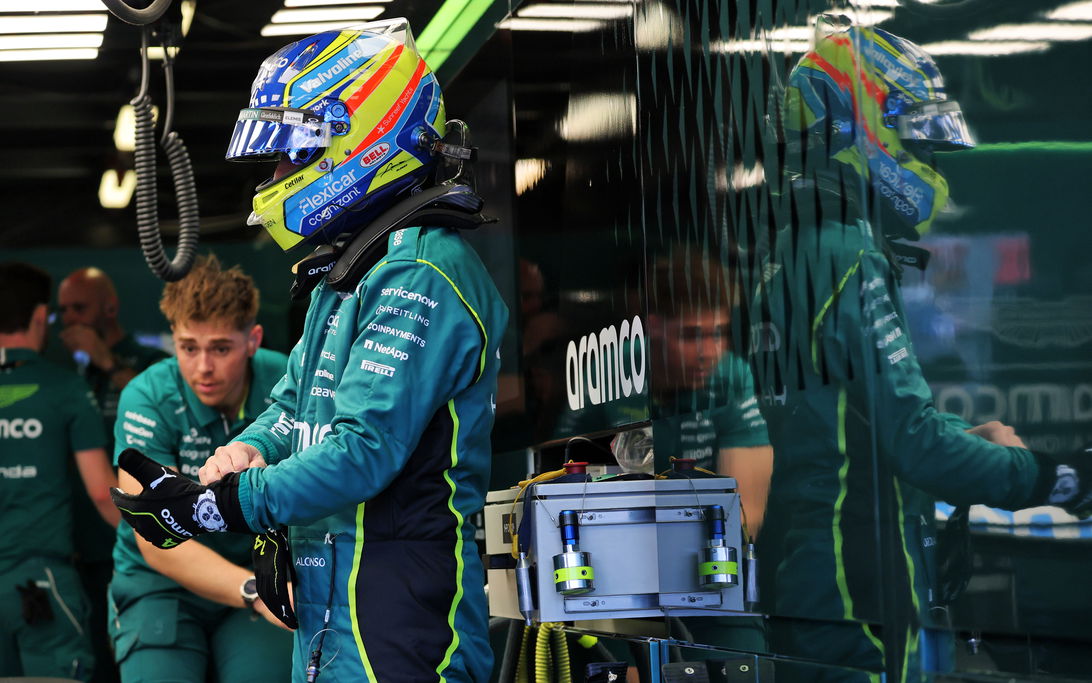
Fernando Alonso has launched a fresh critique of modern Formula 1, asserting that driver skill in high-speed corners has been eradicated and replaced by what he calls "charging stations," where cars must slow down to harvest energy. The two-time champion argues that the current hybrid power unit regulations force drivers to prioritize energy management over pure performance, fundamentally changing the challenge of driving at circuits like Suzuka.
Why it matters:
When a driver of Alonso's experience and caliber declares that a core element of racing skill is no longer required, it highlights a significant philosophical shift in the sport. His criticism strikes at the heart of the balance between technical energy management and traditional driver prowess, raising questions about whether the current regulations are optimizing for the right kind of competition and spectacle.
The details:
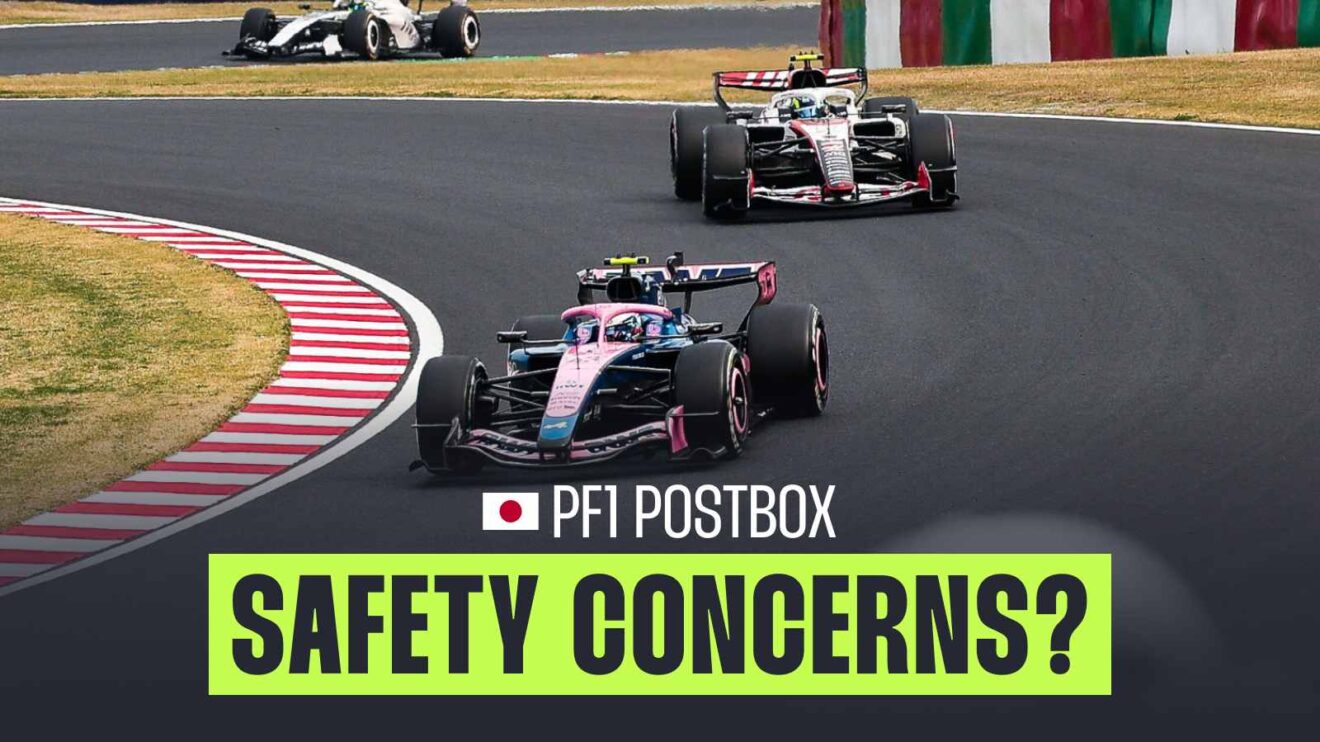
- Alonso's criticism centers on the mandatory energy harvesting (or "lift and coast") required by the hybrid power units, which is especially pronounced on energy-intensive circuits like Suzuka and Albert Park.
- He provided a stark analogy, escalating from his Bahrain testing comment that the team chef could drive the car to now suggesting half of the Aston Martin team could manage the high-speed corners at Suzuka because the challenge has been removed.
- The core issue is that high-speed corners have become zones to regenerate battery energy, meaning drivers intentionally go slower there to have full power available for the straights.
- Despite a reduction in available energy for qualifying in Japan (from 9MJ to 8MJ), designed to reduce the need to lift and coast, drivers were still observed "super-clipping" (exceeding energy limits) into famous corners like 130R, drawing criticism from fans.
- Alonso is pessimistic about a quick fix, stating that any improvement would only address the super-clipping and de-rating issues, not restore the need for drivers to push a car to its absolute limit through fast corners.
What's next:
The immediate reprieve may come at circuits with more favorable energy characteristics, like the upcoming Miami Grand Prix, where such drastic management should be less visible. However, Alonso's comments point to a deeper, regulatory-level concern. His assertion that pushing to the limit "will not be needed, ever, with these regulations" is a direct challenge to the FIA and Formula 1 to consider if the 2026 power unit rules can better reconcile hybrid technology with the fundamental driver challenge that has long defined the sport.
Original Article :https://racingnews365.com/fernando-alonso-offers-sad-charging-station-realisatio...