






F1's 2026 Engine Rules Creating 'Yo-Yo' Overtakes, Frustrate Drivers
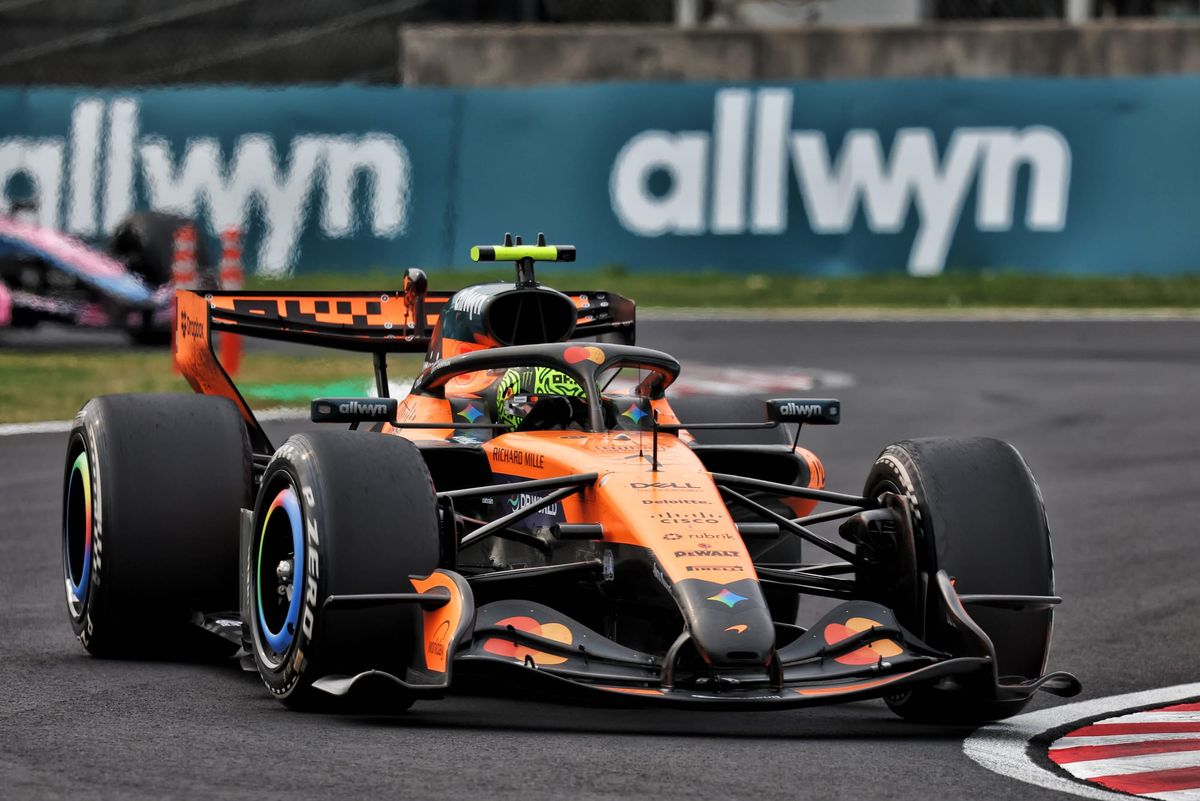
Formula 1's new 2026 power unit regulations are creating a frustrating and inauthentic form of racing, where drivers are at the "mercy" of their battery deployment, leading to accidental overtakes and making strategic passing "basically impossible" on some tracks. McLaren's Lando Norris highlighted the issue after the Japanese Grand Prix, describing battles dictated by battery cycles rather than driver skill as "yo-yoing," not genuine competition.
Why it matters:
The core spectacle of F1—wheel-to-wheel battles and strategic overtaking—is being undermined by overly complex engine rules that remove control from the drivers. If the sport's new technical era prioritizes artificial, battery-induced passes over authentic racing, it risks alienating both competitors and fans who value driver skill and strategic nuance.
The details:
- The 2026 power units, with their heavy reliance on electrical energy from the MGU-K, create massive swings in performance on straights depending on battery charge levels.
- A critical rule quirk, known as "power limited pending," forces an automatic 200kW battery deployment when a driver re-applies throttle after lifting below 98%. This drains energy at inopportune times.
- The Norris-Hamilton Example: At Suzuka, Norris used overtake mode to catch Hamilton on the run to 130R. Having used his battery, he had to lift. Re-applying the throttle triggered the automatic deployment, wasting energy and causing an unintentional pass into the chicane. With a depleted battery, he was immediately re-passed by Hamilton on the next straight.
- Driver Control Removed: Norris stated he had no control over this deployment, calling the process inauthentic. His throttle trace during the pass showed hesitant, "almost apologetic" inputs as he tried to avoid the system's rules.
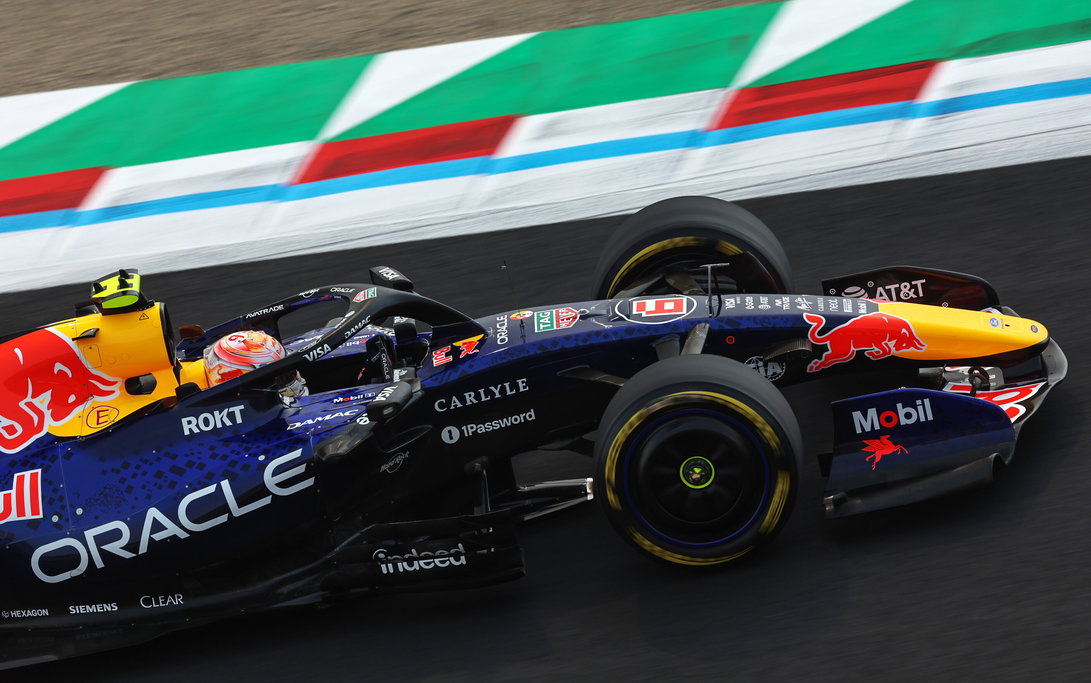
- Circuit Specific Problem: Red Bull's Max Verstappen explained that on tracks like Suzuka with long straights separated only by short chicanes, there is no time to recharge the battery between overtaking zones, making efficient use of the overtake function "impossible."
What's next:
Stakeholders are set for crucial meetings to address identified problems with the 2026 regulations. While safety and the qualifying format are higher priorities, team principals like McLaren's Andrea Stella are advocating for change.
- Stella suggests a regulatory fix: allowing engineers to designate circuit sections where the automatic deployment rule is disabled, giving teams and drivers more strategic freedom over battery use.
- The discussion will center on simplifying the complex interaction between the overtake mode, battery sustainability, and mandatory deployment rules to restore driver agency and create more satisfying racing.
Original Article :https://www.the-race.com/formula-1/f1-2026-engines-causing-accidental-overtakes/