




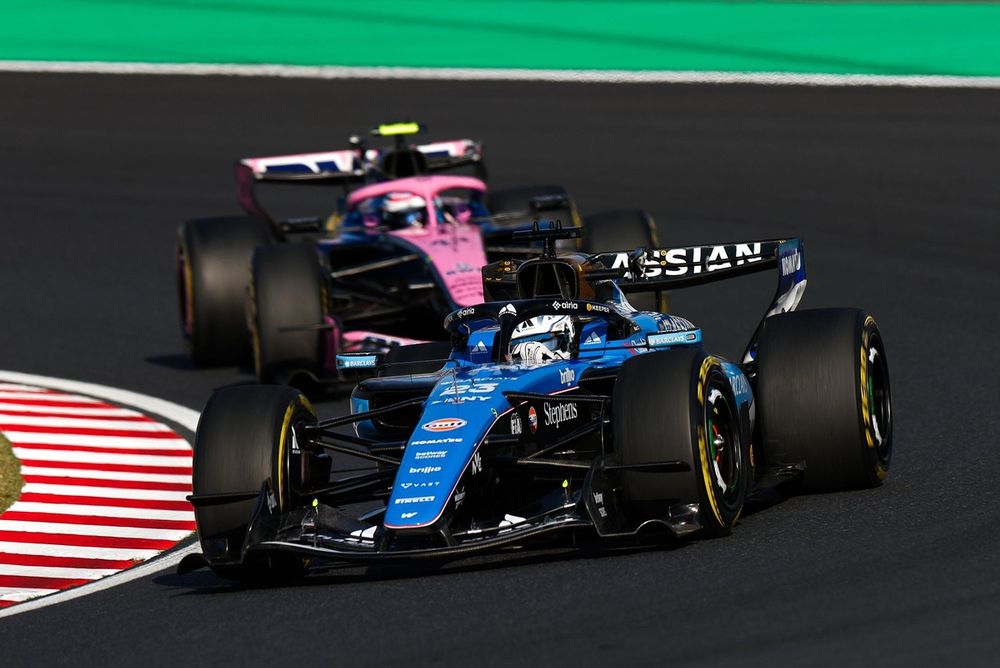
Albon voices 2026 F1 regulation concerns after drivers' briefing
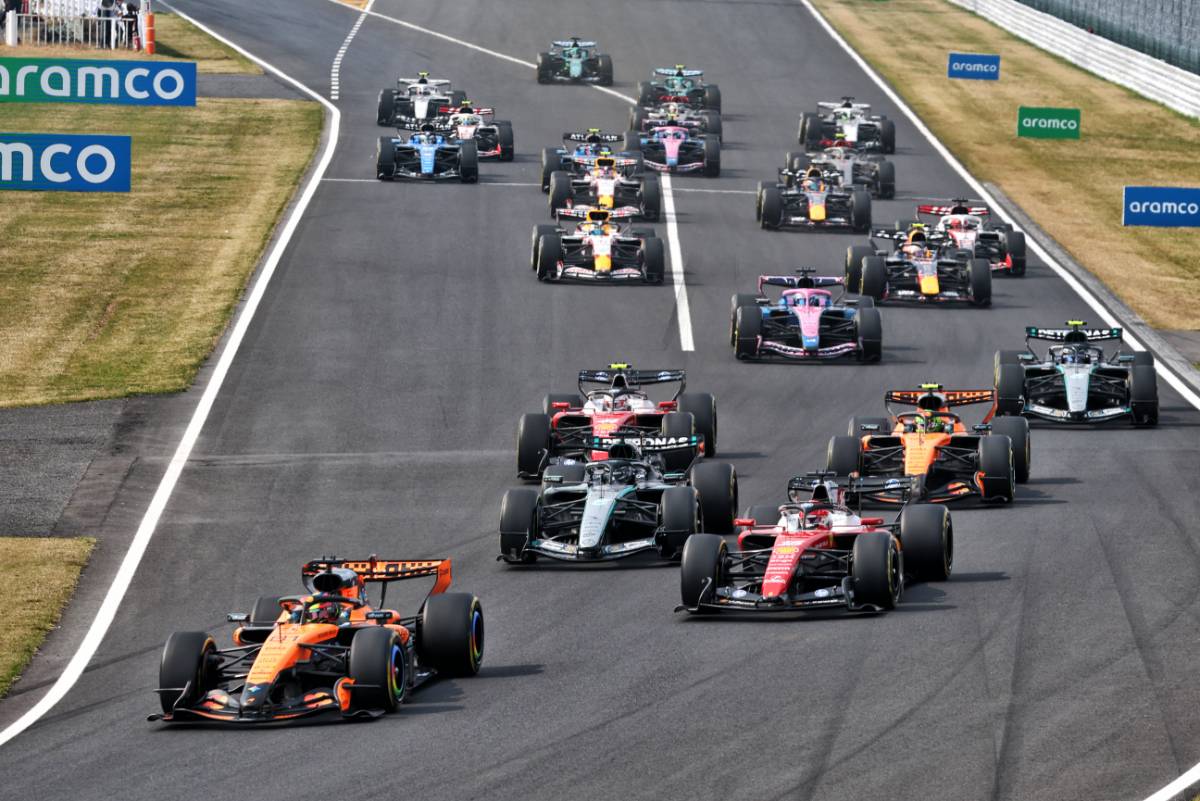
Williams driver Alex Albon has revealed that Formula 1 drivers discussed significant safety concerns regarding the 2026 car regulations in their briefing, highlighting a worrying lack of control over energy deployment and dangerous closing speeds between cars. The discussion was prompted by Oliver Bearman's high-speed crash at Suzuka, where a 45km/h speed differential played a key role, and amplified by Lando Norris's admission that he cannot manually control his car's battery deployment during races.
Why it matters:
The core issue strikes at the fundamental principle of driver skill and car control in Formula 1. If drivers feel they are at the "mercy" of automated power unit systems and are forced to second-guess the stability of a car approaching from behind during defensive maneuvers, it introduces a new and unpredictable risk factor. Addressing these concerns is critical for the sport's safety credibility before the 2026 regulations are locked in.
The details:
- The primary concern is the massive closing speed created when one car is in "Straight Mode" (deploying battery energy) and another is in "Corner Mode" (harvesting energy). This was a factor in Bearman's crash.
- Drivers report a lack of direct control. Lando Norris stated post-Japan that his battery deployed automatically when approaching Lewis Hamilton, against his intention, forcing an overtake he did not want to attempt.
- This automation creates hesitation during wheel-to-wheel combat. Albon expressed that drivers are now "worried that the car behind" might not be in full control of their vehicle when deciding to defend a position.
- Albon suggested a potential fix, comparing the current powerful and less predictable "Straight Mode" to a more controllable system like the current DRS.
- Separately, Albon's Japanese GP was turned into a test session for Williams, involving multiple pit stops to experiment with front wing mappings and energy deployment strategies in a bid to understand their car's persistent issues.
What's next:
The driver feedback presents a clear challenge for the FIA and F1's technical working groups. The 2026 regulations, centered on lighter cars with 50/50 power split between engine and battery and active aerodynamics, are intended to be a showcase for the sport's future. However, if the current prototype concepts erode driver control and create unsafe racing conditions, significant refinements will be needed. The discussion in the drivers' briefing is likely the first of many as teams and the governing body digest real-world data and driver experiences from this season's testing of 2026 mule components.
Original Article :https://www.motorsport.com/f1/news/is-the-car-behind-in-control-f1-2026-rules-sp...