



F1 stakeholders convene emergency summit to address 2026 regulation crisis
Formula 1's powerbrokers are convening an emergency summit on April 9 to address a growing crisis of confidence in the sport's 2026 technical regulations. After just three races, drivers and teams are united in their criticism of the new power unit formula, citing critical safety concerns and a fundamental erosion of the sport's competitive spirit, forcing a rapid reassessment.
Why it matters:
The swift and unified backlash from competitors threatens the credibility of F1's long-term vision. With the 2026 rules intended to secure the sport's future and attract new manufacturers, failing to address these foundational issues risks alienating the current grid and undermining the very competition the regulations were designed to enhance. This meeting represents a crucial test of F1's ability to adapt its vision to on-track reality.
The details:
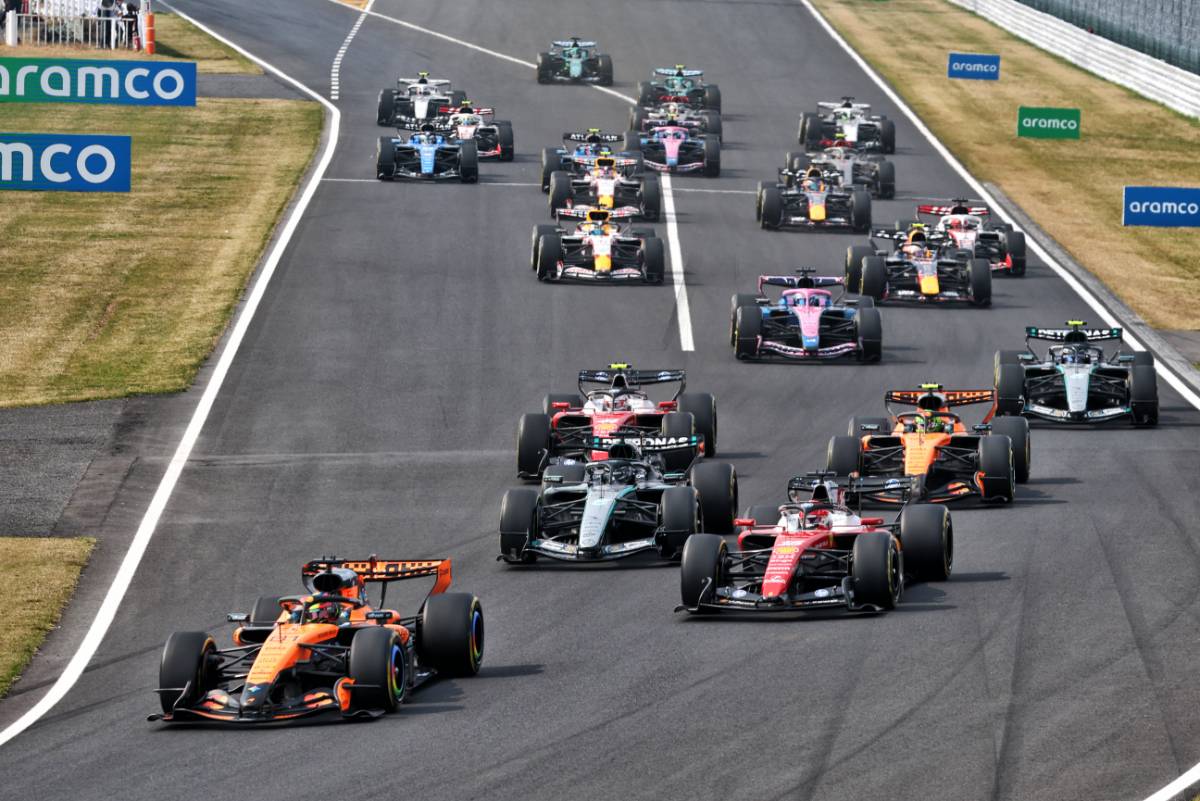
- Safety at the Forefront: The urgent summit was catalyzed by Oliver Bearman's high-speed crash at Suzuka, a 50G impact that validated driver warnings about dangerous "speed deltas." The core issue is "clipping," where a car's battery depletes at the end of a straight, causing a sudden loss of power and creating a massive speed difference with following cars.
- The Lost Art of Qualifying: Drivers are reportedly furious that the new energy management requirements have destroyed the pure, flat-out qualifying lap. Managing the complex power unit throughout a single timed lap has turned legendary high-speed corners into mandatory "charging zones," punishing drivers for pushing to the absolute limit.
- Potential Solutions on the Table: The April 9 meeting will evaluate immediate fixes, including:
- Imposing "superclipping" limits to prevent extreme battery depletion.
- Revising active aerodynamics rules to ensure cars don't become unpredictable when energy runs low.
- Boosting the internal combustion engine's role to reduce reliance on the complex battery system.
- Simplifying energy recovery rules to return more control to the driver.
What's next:
The clock is ticking for meaningful change. With the Miami Grand Prix on May 3, any technical directives or rule tweaks agreed upon must be fast-tracked through the FIA's World Motor Sport Council for rapid implementation. The outcome of this summit will signal whether F1's leadership can pragmatically refine its technological ambitions to preserve the core racing product that defines the sport's appeal.
Original Article :https://f1i.com/news/562432-formula-1-stakeholders-scramble-to-save-the-sports-s...