



Max Verstappen Calls 'Mushroom Mode' a 'Very Dangerous' Threat After Bearman Crash
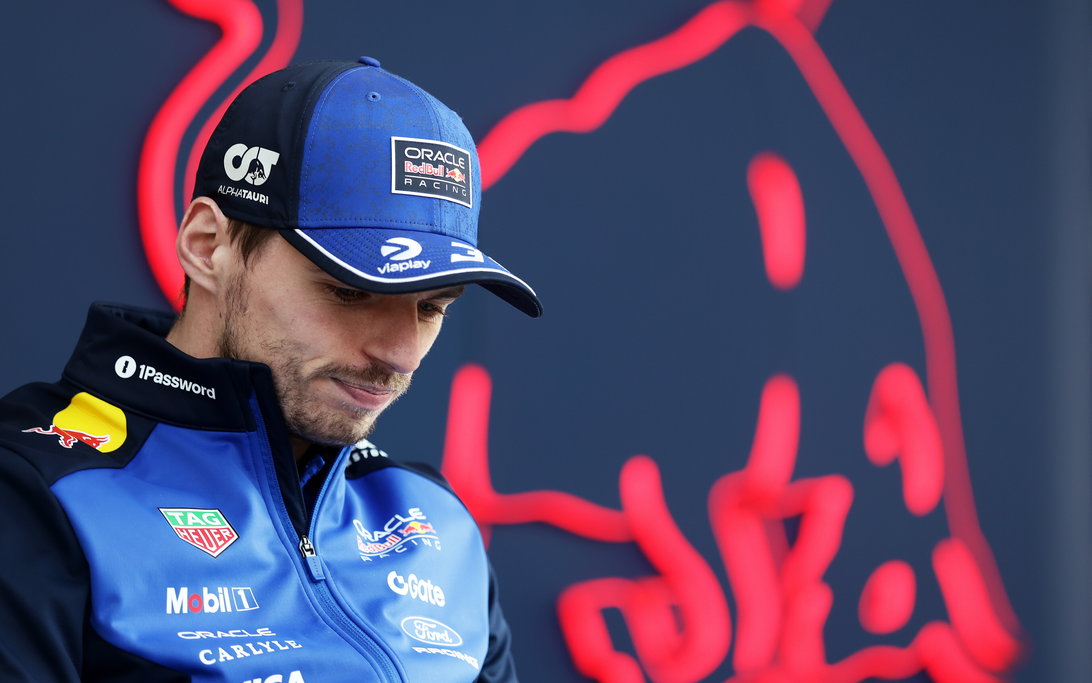
Max Verstappen has pointed to the extreme speed differentials created by Formula 1's 2026 power unit regulations as the direct cause of Oliver Bearman's frightening crash in Japan, bluntly stating such incidents are "what you get" with the current rules. The Haas rookie's 50G impact at Suzuka, which resulted from a massive closing speed on a car harvesting energy, has intensified the debate over the safety of the new 'mushroom mode' deployment system ahead of planned FIA discussions.
Why it matters:
The crash has crystallized growing driver concerns into a concrete safety crisis, forcing the FIA to urgently address a fundamental flaw in the 2026 aerodynamic and power unit rules. With Verstappen estimating a 50-60 km/h speed difference between cars on straights, the sport is grappling with a scenario where standard racing situations become unpredictably hazardous, potentially altering how drivers can compete wheel-to-wheel.
The details:
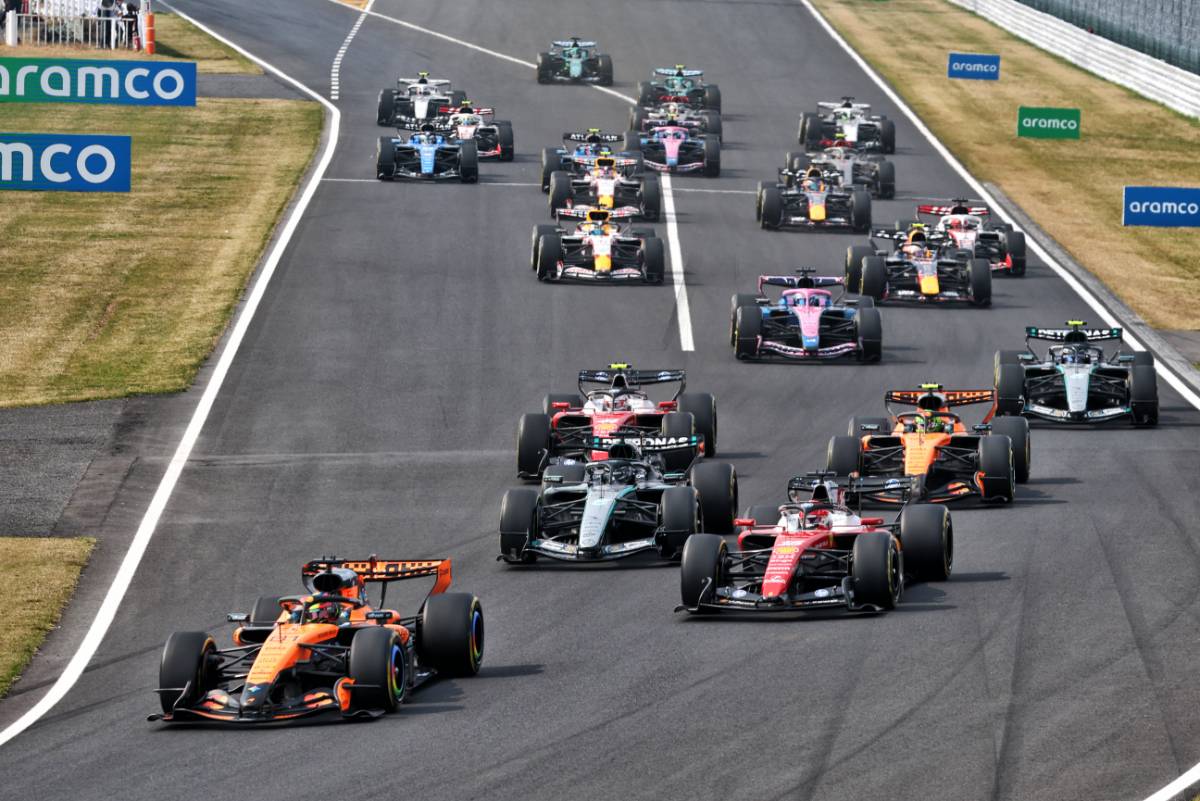
- Oliver Bearman's high-speed crash at the Spoon Curve occurred when he rapidly closed on Franco Colapinto's Alpine, taking to the grass and hitting the barrier with a 50G impact. He sustained knee bruising but no fractures.
- The FIA officially acknowledged that the "high closing speeds" inherent to the 2026 car specifications were a key factor in the accident.
- Verstappen described the problem as one car being "completely stuck with no power" (harvesting energy) while another activates the full-power "mushroom mode," creating a dangerous mismatch.
- The reigning champion confirmed he experienced similar, though less severe, moments of extreme acceleration past other cars during the Japanese Grand Prix.
- In response to the incident, the FIA has scheduled "a number of meetings" during the April break aimed at refining the 2026 regulations.
What's next:
The spotlight is now firmly on the FIA's upcoming meetings, where governing body and teams must find a technical solution to mitigate the dangerous speed differentials before the 2026 season. Verstappen's stark warning that the situation "can be very dangerous" and leads to "big crash[es]" adds significant pressure for a regulatory fix, as driver safety and the quality of racing are both at stake. The outcome of these talks could lead to crucial last-minute changes to the 2026 formula.
Original Article :https://www.planetf1.com/news/max-verstappen-oliver-bearman-crash-reaction