





Why F1's 'Big Four' Are All Claiming Their Rivals Are Faster
With two-thirds of 2026's extended pre-season testing complete, a clear picture of the fastest team remains elusive as McLaren, Mercedes, Red Bull, and Ferrari each insist they are not the quickest, pointing instead to their rivals. This game of "pass the parcel" with performance claims is fueled by new technical regulations, political maneuvering over power units, and strategic secrecy, making this one of the most confusing pre-seasons in recent memory.
Why it matters:
The inability to pinpoint a clear favorite underscores the massive technical reset of the 2026 season and the high-stakes political battle over engine regulations. This uncertainty sets the stage for a potentially explosive and unpredictable start to the championship, where development race and in-season upgrades could be more decisive than initial car performance.
The details:
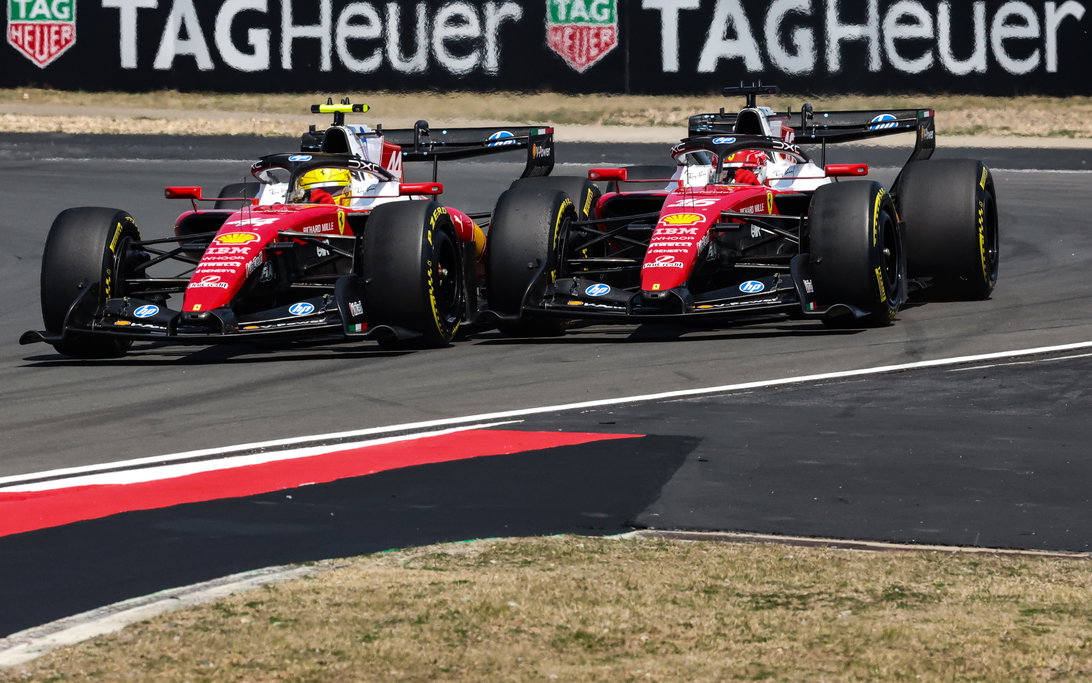
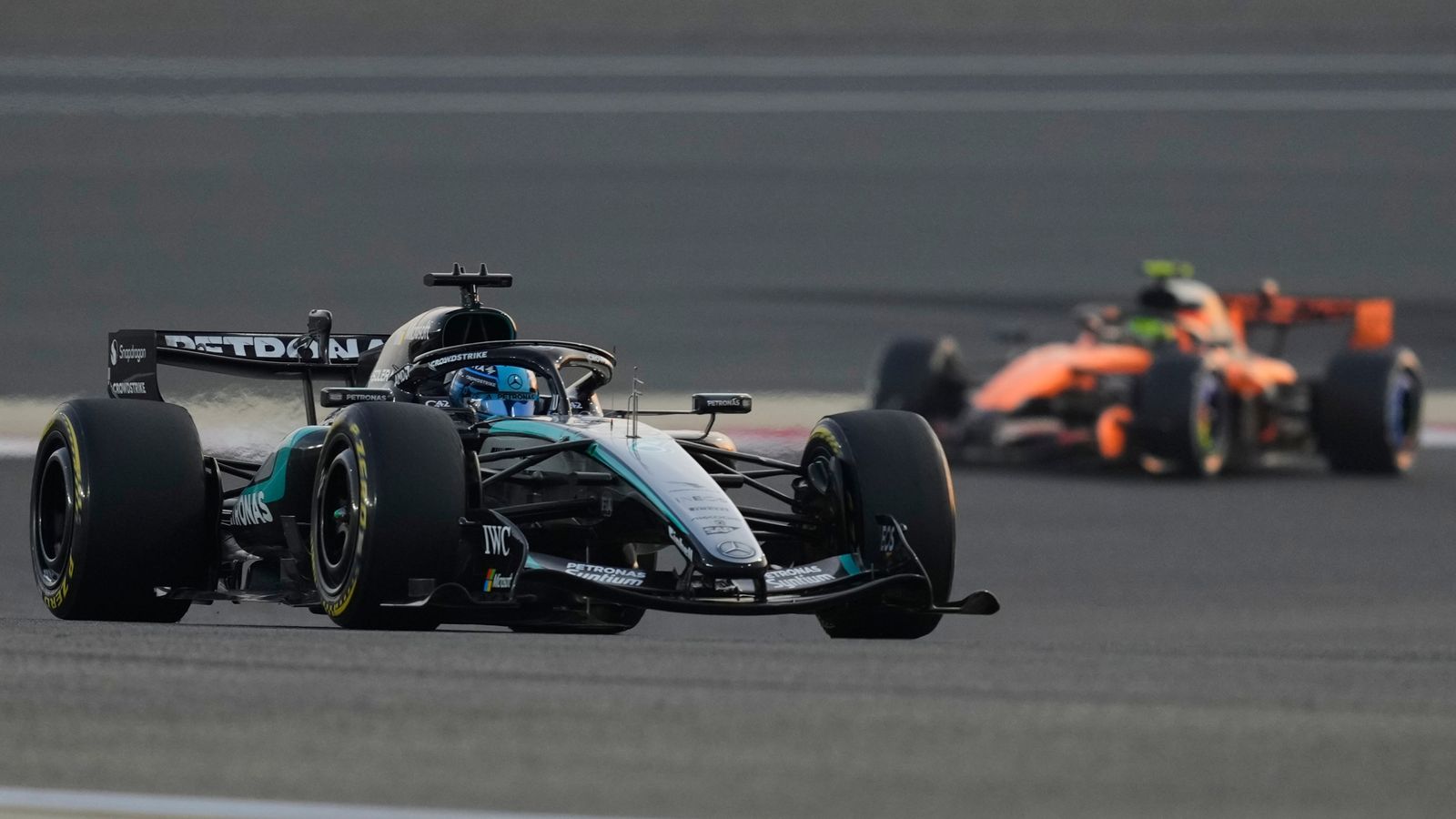
- The Timesheet Puzzle: Mercedes set the fastest single lap times, but Ferrari appeared strongest in race-simulation runs—often a more reliable performance indicator. McLaren logged the most laps, signaling reliability, while Red Bull impressed with its energy deployment system.
- The Engine Dispute: A central controversy involves the engine compression ratio limits, with rivals suggesting Mercedes and Red Bull may have exploited a loophole. This has led to lobbying for a rule change, with Red Bull surprisingly joining Ferrari, Audi, and Honda in seeking a "level playing field."
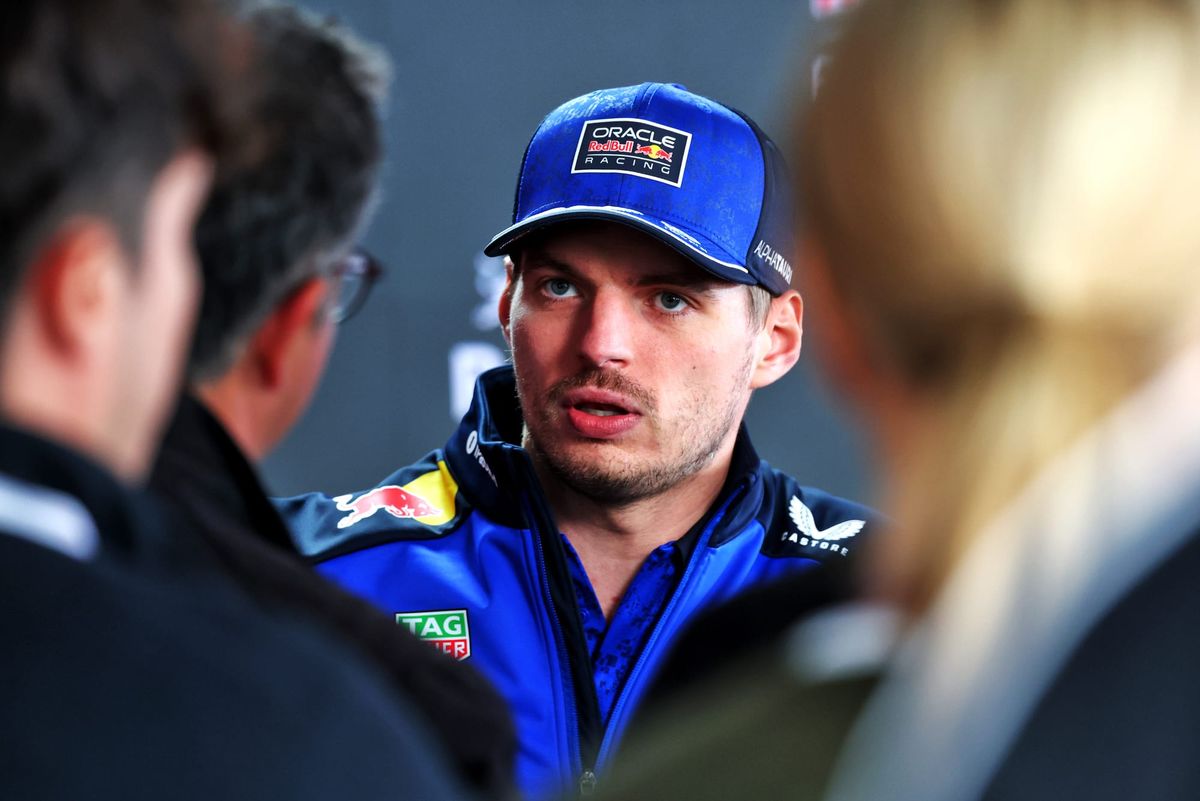
- Sandbagging Suspicions: Mercedes' rivals are skeptical of its claims that Red Bull is faster, theorizing the team is hiding its true pace to avoid further regulatory scrutiny ahead of a key F1 Commission meeting. Max Verstappen and Charles Leclerc both publicly suggested Mercedes is holding back significant performance.
- Ferrari's Quiet Progress: Despite showing strong long-run pace with its upgraded SF-26, Ferrari and its drivers deliberately downplayed their position, a typical pre-season tactic. However, rival team bosses, including McLaren's Andrea Stella, noted Ferrari and Mercedes looked most "ready from a performance point of view."
- Red Bull's Strategic Shift: Red Bull's switch to support a rule change on compression ratios suggests it may believe Mercedes has a greater advantage in that area, and that restraining the Mercedes unit would benefit Red Bull's own efficient energy deployment system.
What's next:
The political and technical picture will begin to clarify at the upcoming F1 Commission meeting, where a decision on the engine regulations could be made. The true competitive order, however, will only be revealed under the genuine pressure of qualifying for the Australian Grand Prix on March 6-8. As Ferrari team principal Fred Vasseur noted, the 2026 season will be "much more about the development than on the initial potential of the car," meaning this pre-season puzzle is just the first move in a long championship game.
Original Article :https://www.skysports.com/f1/news/12433/13507043/f1-testing-why-ferrari-mercedes...