


What we learned from day one of F1's Canadian Grand Prix weekend in Montreal
After a three-week break following Miami, the Formula 1 paddock returned in Montreal with several storylines that could shape the season. Williams addressed a glaring weakness by signing Piers Thynne, McLaren's former COO, to overhaul its troubled production line. Honda reported the first hints of power unit performance progress after a brutal start. Drivers expect chaotic racing due to energy management constraints, and Max Verstappen strongly hinted he'd stay in F1 beyond 2026 if proposed engine regulation changes go through.
Why it matters
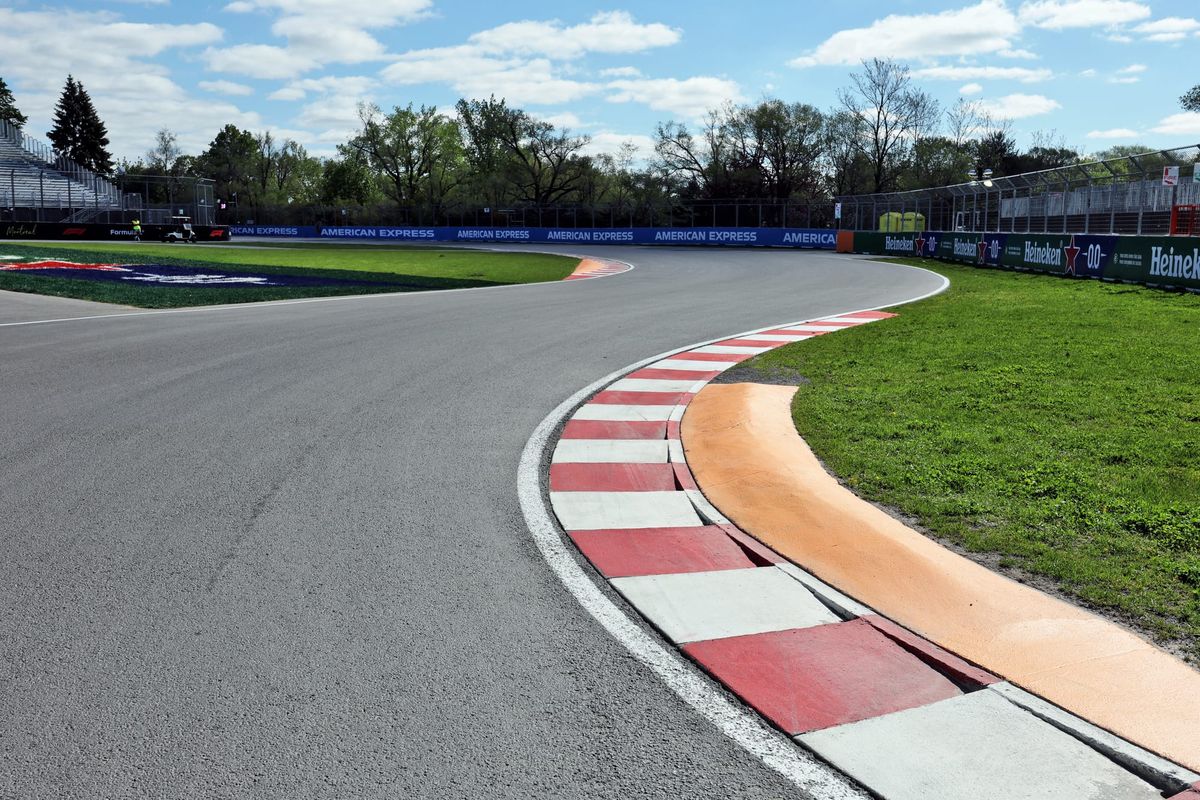
Montreal's Circuit Gilles Villeneuve is a unique test for the 2026 cars. Long straights and limited braking zones place extreme demands on energy recovery, making this weekend a litmus test for car and driver management. The outcomes could influence team strategies, driver decisions, and even the future of F1's power unit rules.
The details
- Williams strengthens production: Williams announced the signing of Piers Thynne, McLaren's former COO, to lead its manufacturing side. This move directly addresses the team's persistent car build delays and sparse spares – a weakness exposed painfully this season. Current driver Carlos Sainz, who worked with Thynne at McLaren, called it a "massive help."
- Honda sees light: After battling vibrations, reliability issues, and a power deficit, Honda now has a clear dyno direction for improvement. Trackside general manager Shintaro Orihara identified combustion efficiency and friction reduction as key targets. "We know what we are doing," he said, though a long road to the front remains.
- Chaotic racing expected: With a 6MJ recharge limit and only ~300 meters of zero-kilowatt deployment, drivers anticipate constant overtaking and re-overtaking. Audi's Gabriel Bortoleto predicted "a game of who overtakes in the best spot," while Fernando Alonso dismissed it as "avoiding action" rather than true passing. The sprint and race both promise position changes, however temporary.
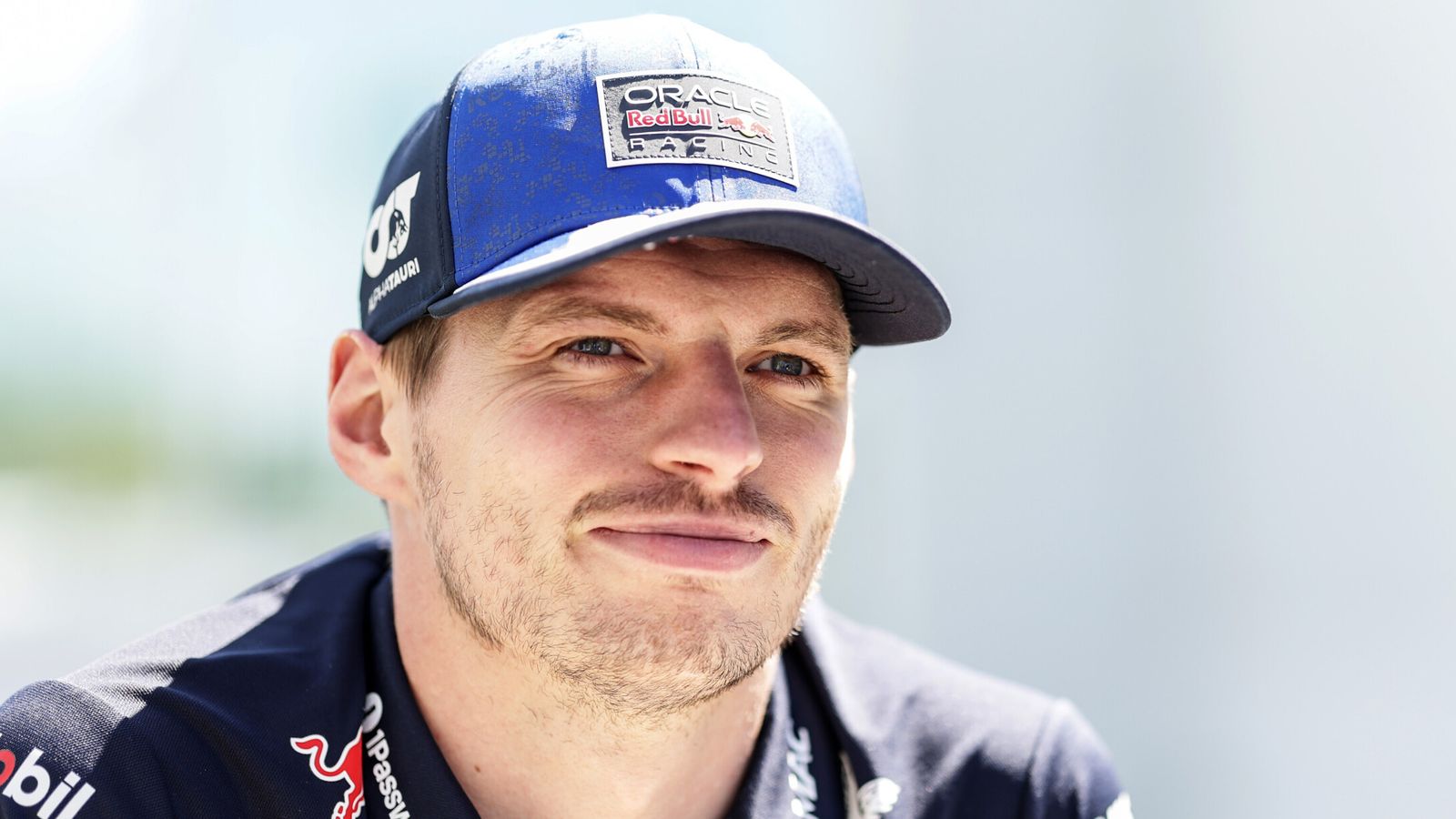
- Verstappen's future hint: Max Verstappen welcomed an FIA-led proposal to shift the power unit ratio closer to 60/40 in favor of the combustion engine, calling it "the minimum I was hoping for." He admitted it would make him want to stay in F1 if implemented, but acknowledged manufacturer politics could block the change.
What's next
Montreal's two races will reveal how well teams manage energy deployment and kerb riding – a major weakness for Cadillac, as Sergio Perez noted. Kimi Antonelli debuts a modified clutch paddle to improve starts, and Lewis Hamilton is testing a simulator-free weekend. The results could shift perceptions ahead of Monaco.
Original Article :https://www.the-race.com/formula-1/what-we-learned-from-day-one-of-f1s-canadian-...
