







Verstappen Raises Alarm Over Spinal Health Risks at COTA
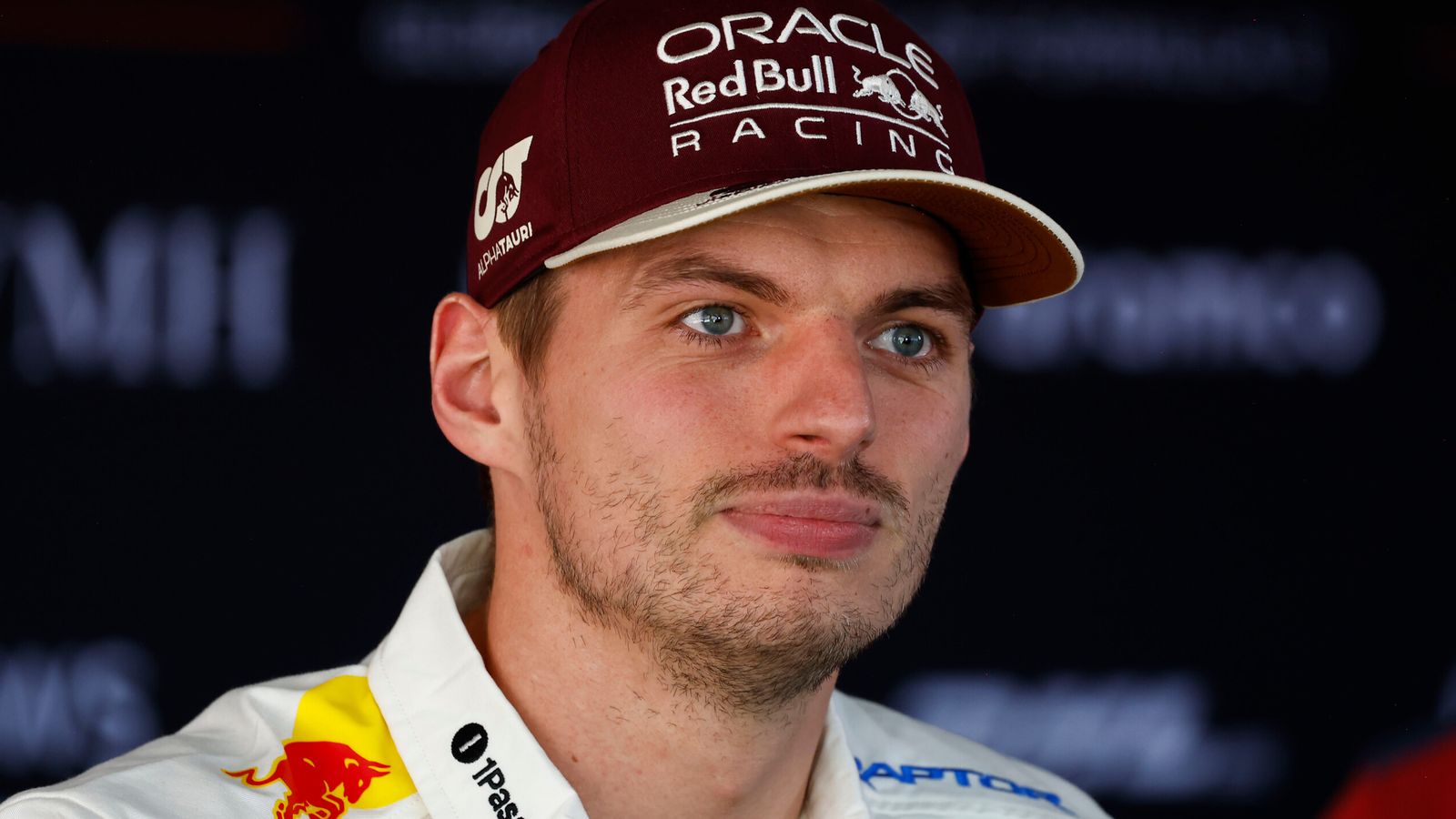
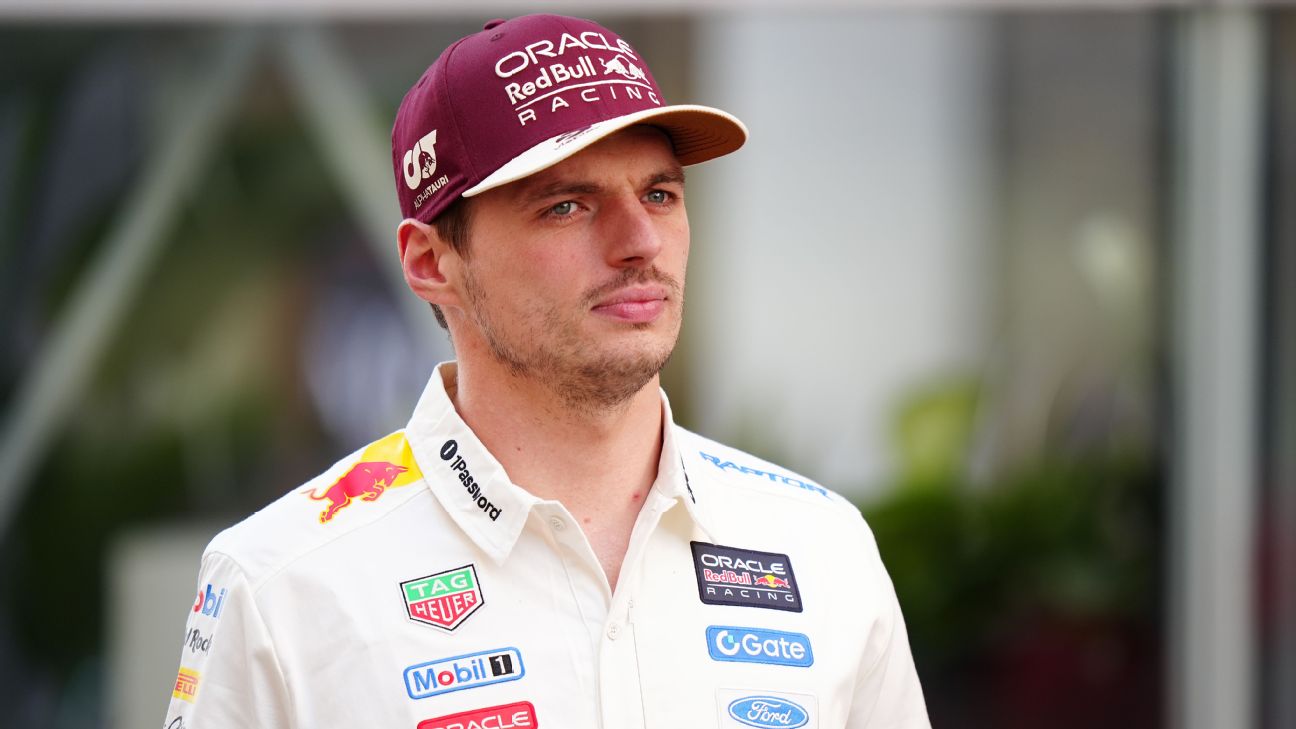
Max Verstappen has raised serious concerns regarding the physical impact of the Circuit of the Americas (COTA) on driver health. Following recent medical examinations, the four-time world champion revealed that the vertical loads caused by the track's bumps are taking a toll on his spine, labeling the current conditions "unacceptable."
Why it matters:
This is no longer just about driver discomfort or lap time consistency; it is a matter of long-term orthopedic health. While drivers are accustomed to high lateral G-forces, the sudden vertical shocks experienced at COTA can exceed the forces felt in corners, leading to cumulative trauma that may persist long after a driver's retirement.
The details:
- Extreme Forces: Verstappen reported experiencing vertical loads exceeding 9G on his spine—significantly higher than the typical 5-6G lateral force felt during high-speed cornering.
- Medical Evidence: The Red Bull driver admitted that medical checks of his lower spine have shown concerning wear and tear, which he attributes to years of enduring these impacts.
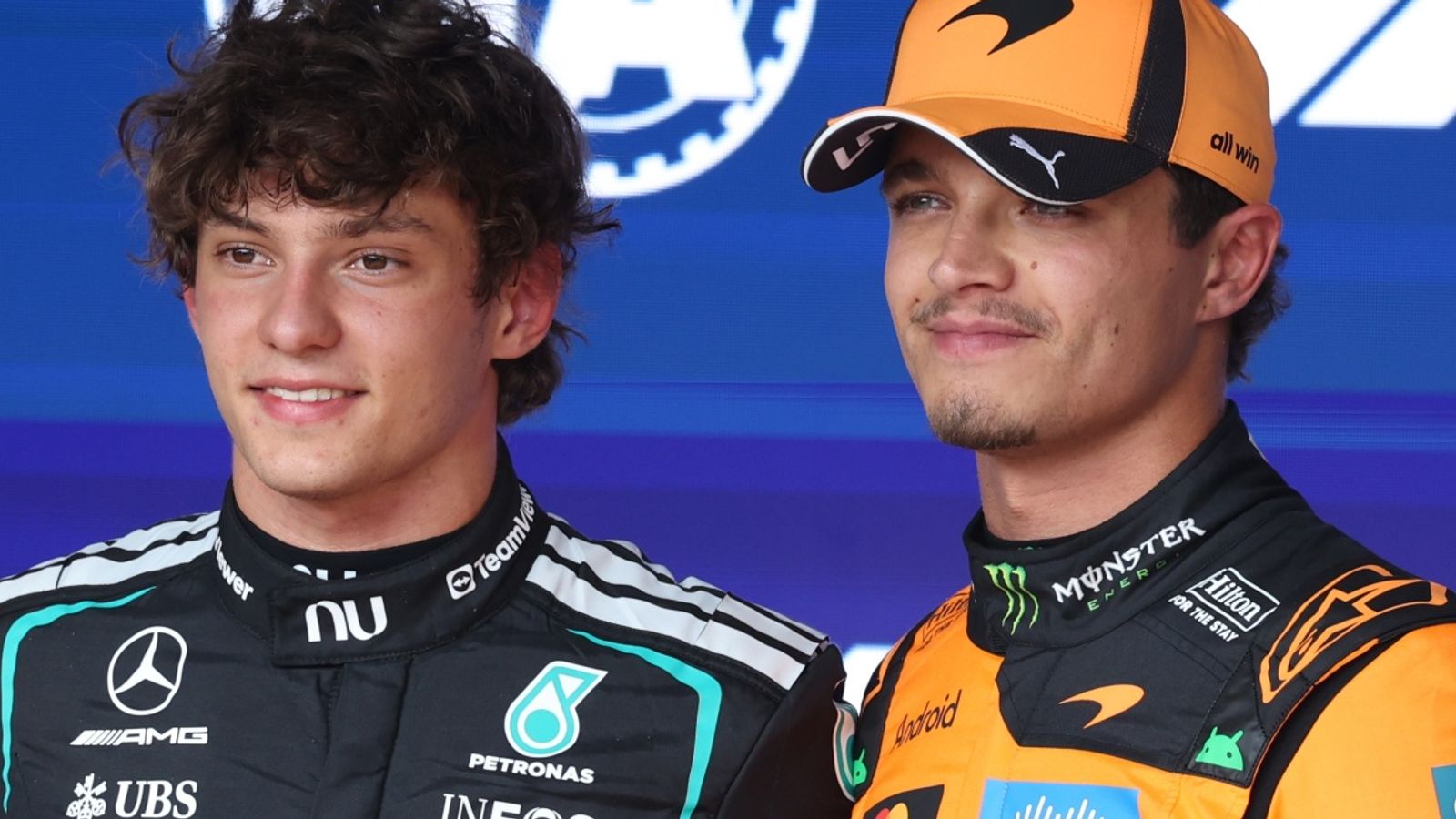
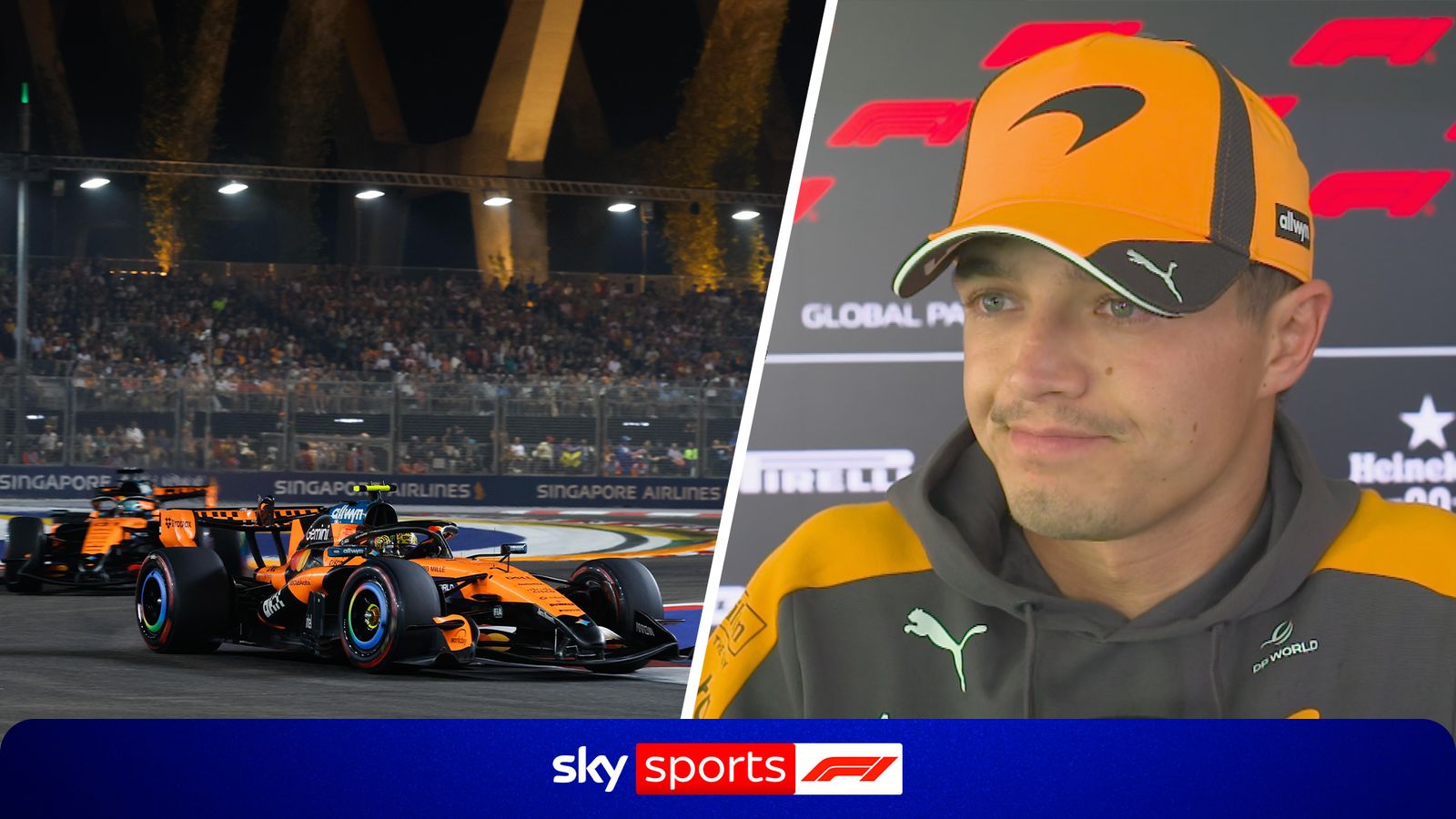
- Driver Consensus: Lando Norris, the reigning world champion, noted the severity of the bumps, stating he often requires headache medication to cope with the jarring impacts against the headrest.
- Systemic Issues: George Russell pointed out that modern tire constructions offer less cushioning than previous generations, exacerbating the effect of deteriorating tarmac across multiple F1 venues.
The big picture:
The introduction of the 2026 technical regulations has intensified the problem. The current generation of cars strikes the track with greater force during braking and cornering, making the "plaster" approach to track repairs—such as the recent patching between Turns 9 and 11—ineffective. Verstappen argues that a comprehensive rebuilding of the surface is the only viable solution to prevent further driver injury.
What's next:
As the paddock prepares for the United States Grand Prix, the conversation is shifting from track grip to driver safety. If the FIA and circuit promoters do not address these structural failures, we may see a broader push for mandatory repaving schedules across the calendar to protect the athletes from permanent physical damage.
Original Article :https://speedcafe.com/f1-news-2026-united-states-grand-prix-austin-max-verstappe...