








Verstappen and Norris Raise Alarm Over COTA's Physical Toll
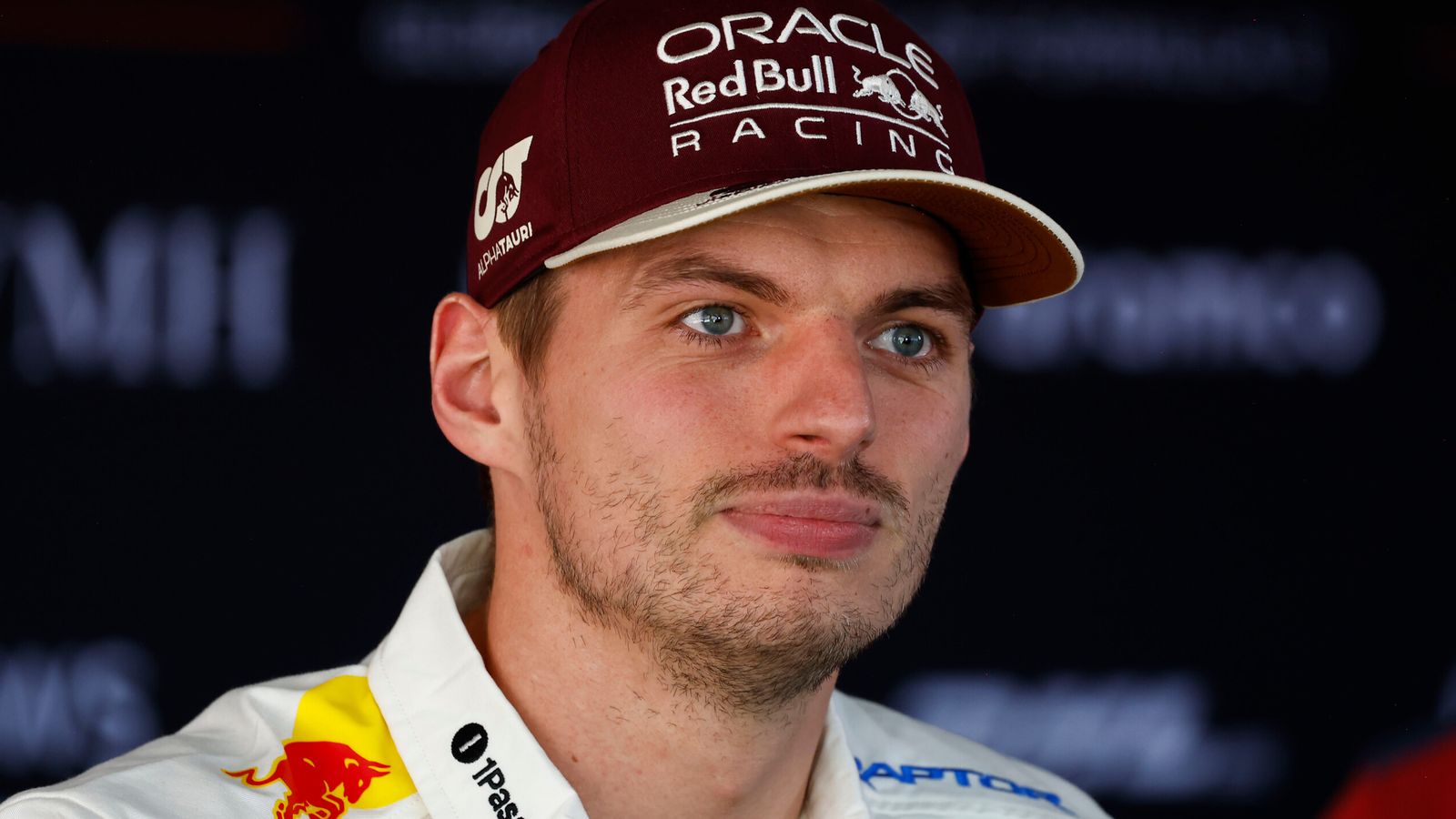
Max Verstappen has voiced serious concerns regarding the track surface at the Circuit of the Americas (COTA), suggesting that the "out of control" bumps are causing lasting physical damage to drivers' spines. The four-time champion revealed that recent medical checks have shown concerning wear on his back, transforming a previous joke about needing a "new spine" into a serious warning about driver safety and long-term health.
Why it matters:
This isn't merely about driver discomfort; it is a critical issue of occupational health in a sport that is pushing the limits of human endurance. With the current generation of cars relying heavily on ground-effect aerodynamics, the cars are stiffer and bottom out harder, amplifying the vertical shocks sent directly through the driver's chassis. As veteran drivers age, these repeated high-G impacts shift from being a nuisance to a significant medical risk.
The Details:
- Extreme G-Forces: Verstappen reported experiencing vertical loads exceeding 9G on his spine during specific impacts, far surpassing the standard cornering forces.
- Mechanical Stress: The combination of aero-wing adjustments and heavy braking causes the car to bottom out aggressively, intensifying the impact of the track's uneven surface.
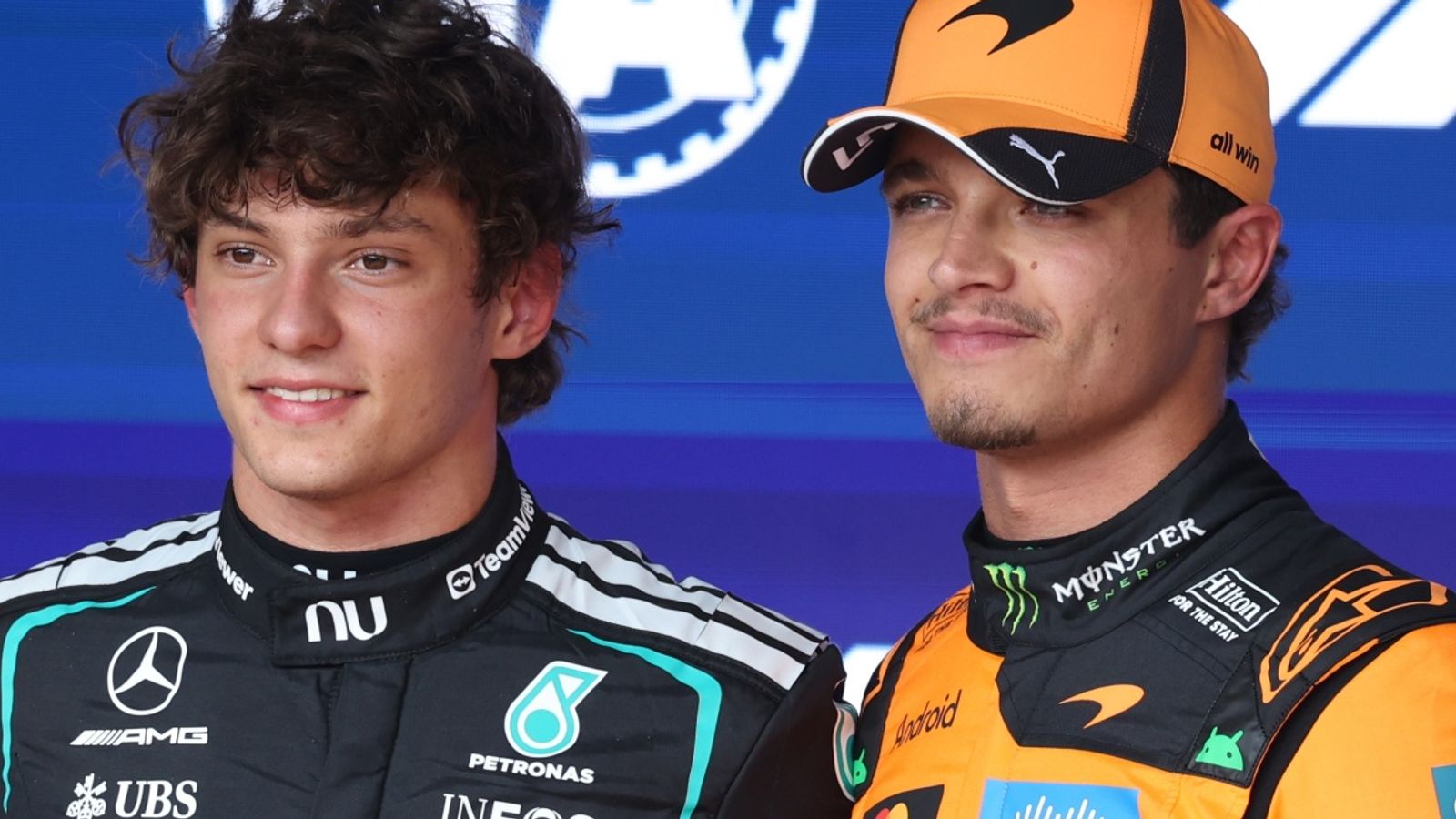
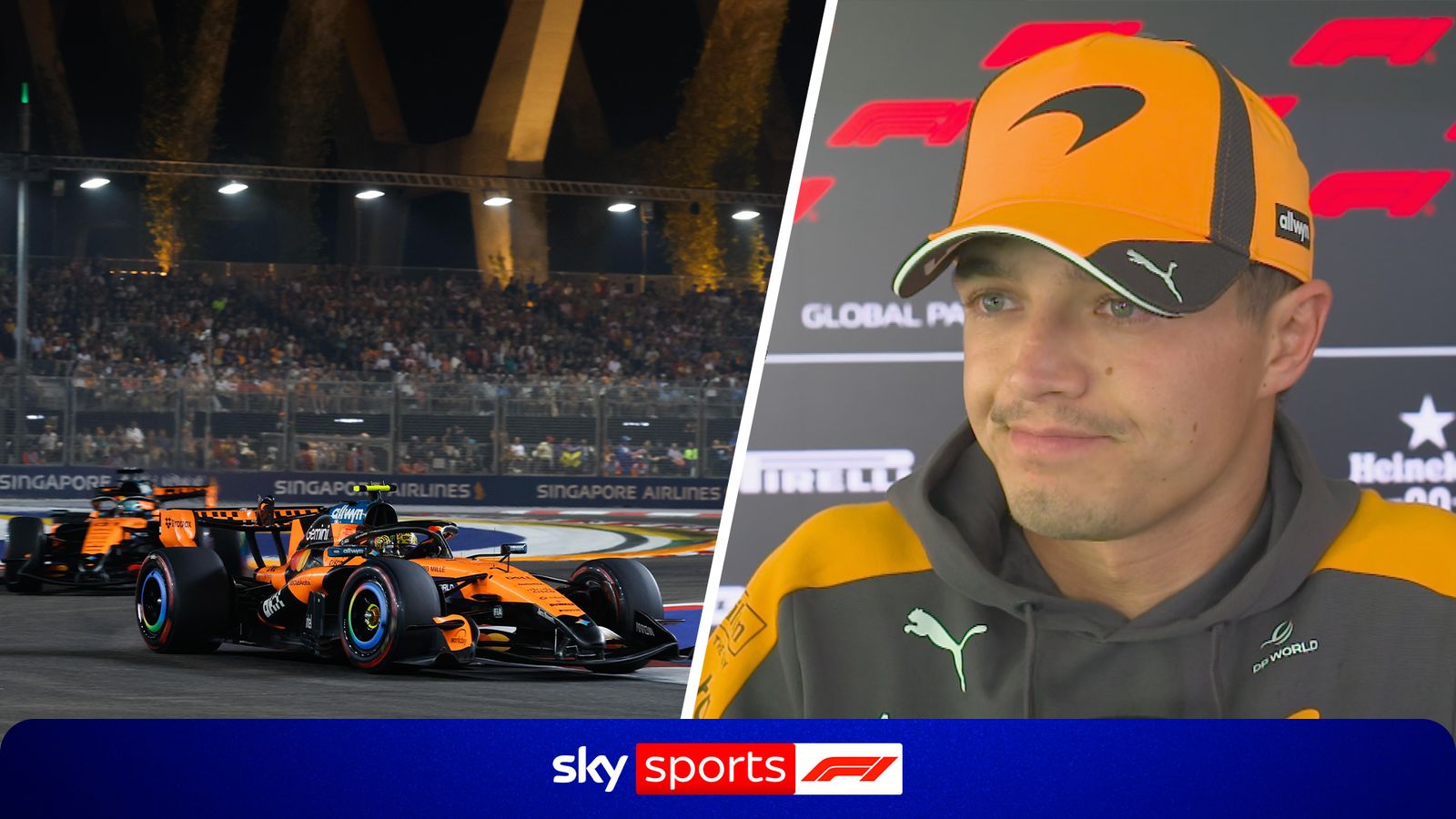
- Physical Symptoms: Lando Norris revealed that the bumps are so severe he has had to use headache tablets to manage the pain caused by his head repeatedly striking the headrest.
- Infrastructure Gap: Norris noted that while new circuits are built to strict smoothness tolerances, COTA remains an aging facility that does not meet modern regulatory standards for track surfaces.
The Big Picture:
For years, drivers have complained about the Austin surface, but the conversation has shifted from performance compromises to medical necessity. The struggle now is a balancing act: teams must find a suspension setup that is soft enough to protect the driver's spine but stiff enough to maintain the aerodynamic platform required to be competitive.
What's next:
As the U.S. Grand Prix continues to be a cornerstone of the F1 calendar, there will be increasing pressure on COTA to implement significant resurfacing. Until then, drivers will continue to manage the physical toll, with the medical data from champions like Verstappen serving as a catalyst for potential safety mandates regarding track smoothness.
Original Article :https://www.espn.com/f1/story/_/id/50250024/max-verstappen-warns-control-bumps-c...