


Verstappen calls out FIA over safety rules after Bearman's crash
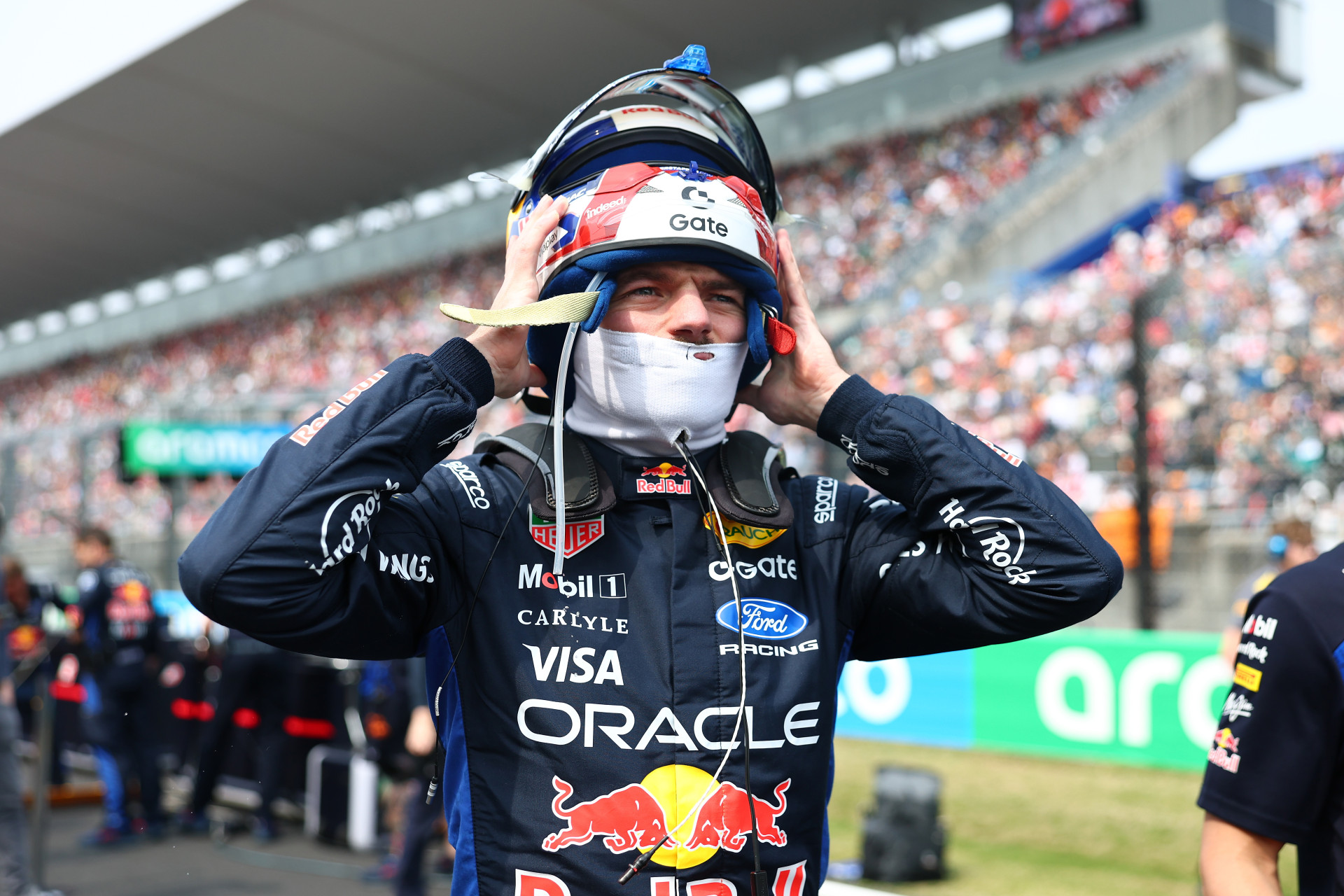
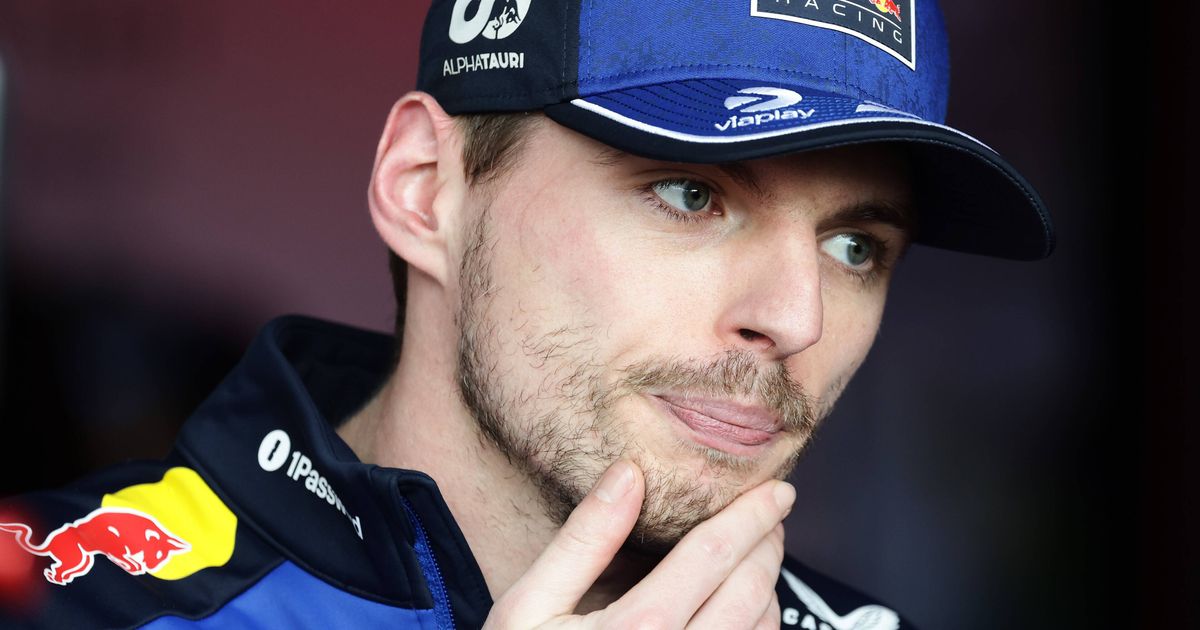
Max Verstappen has used Oliver Bearman's heavy crash at the Japanese Grand Prix to criticize the FIA's current qualifying regulations, arguing that overly complex rules designed for safety are creating confusion and potential danger. The Red Bull driver stated that the incident vindicated his long-held concerns about drivers having to artificially slow down to go faster within the restrictive framework.
Why it matters:
Verstappen's critique strikes at a core tension in modern F1: the balance between safety and pure racing. His argument suggests that well-intentioned rules, particularly those governing track limits and energy deployment in qualifying, have become so convoluted that they force unnatural driving maneuvers. This complexity, he implies, could paradoxically increase risk rather than mitigate it, as drivers focus on rule compliance over instinctive car control.
The details:
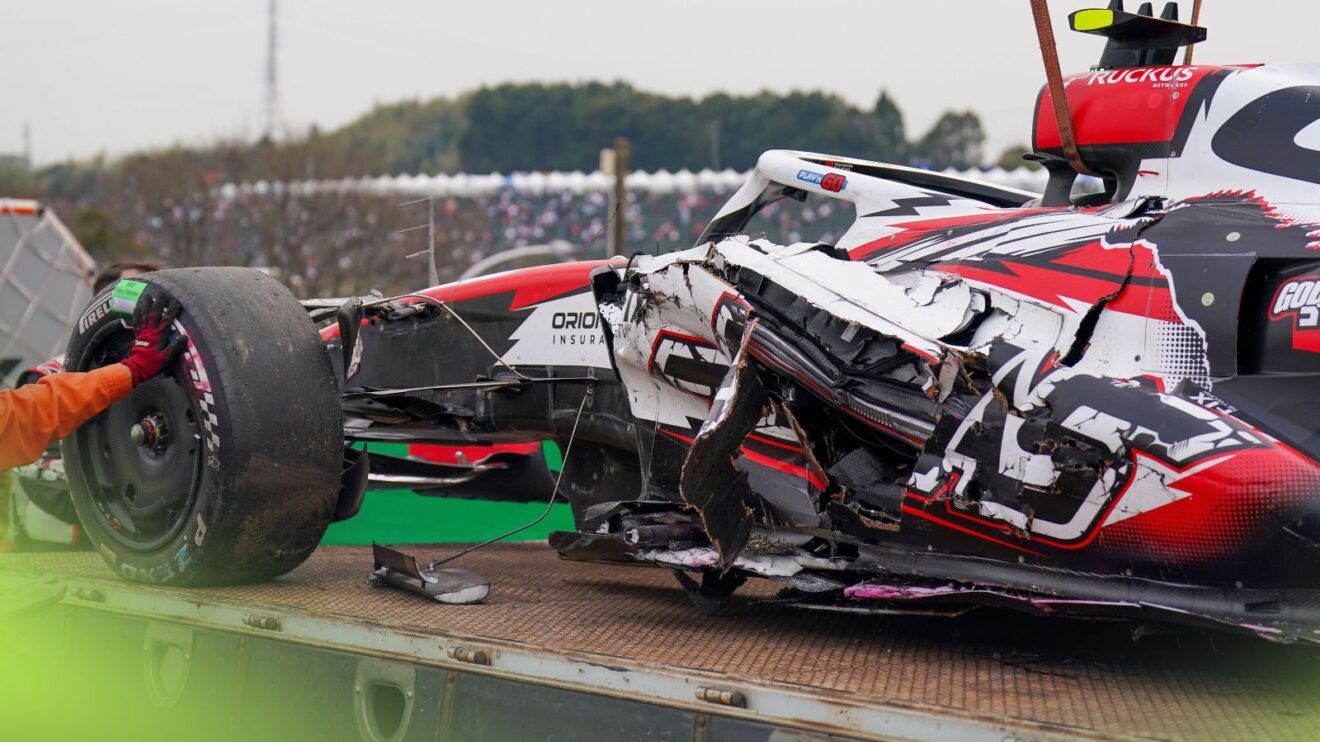
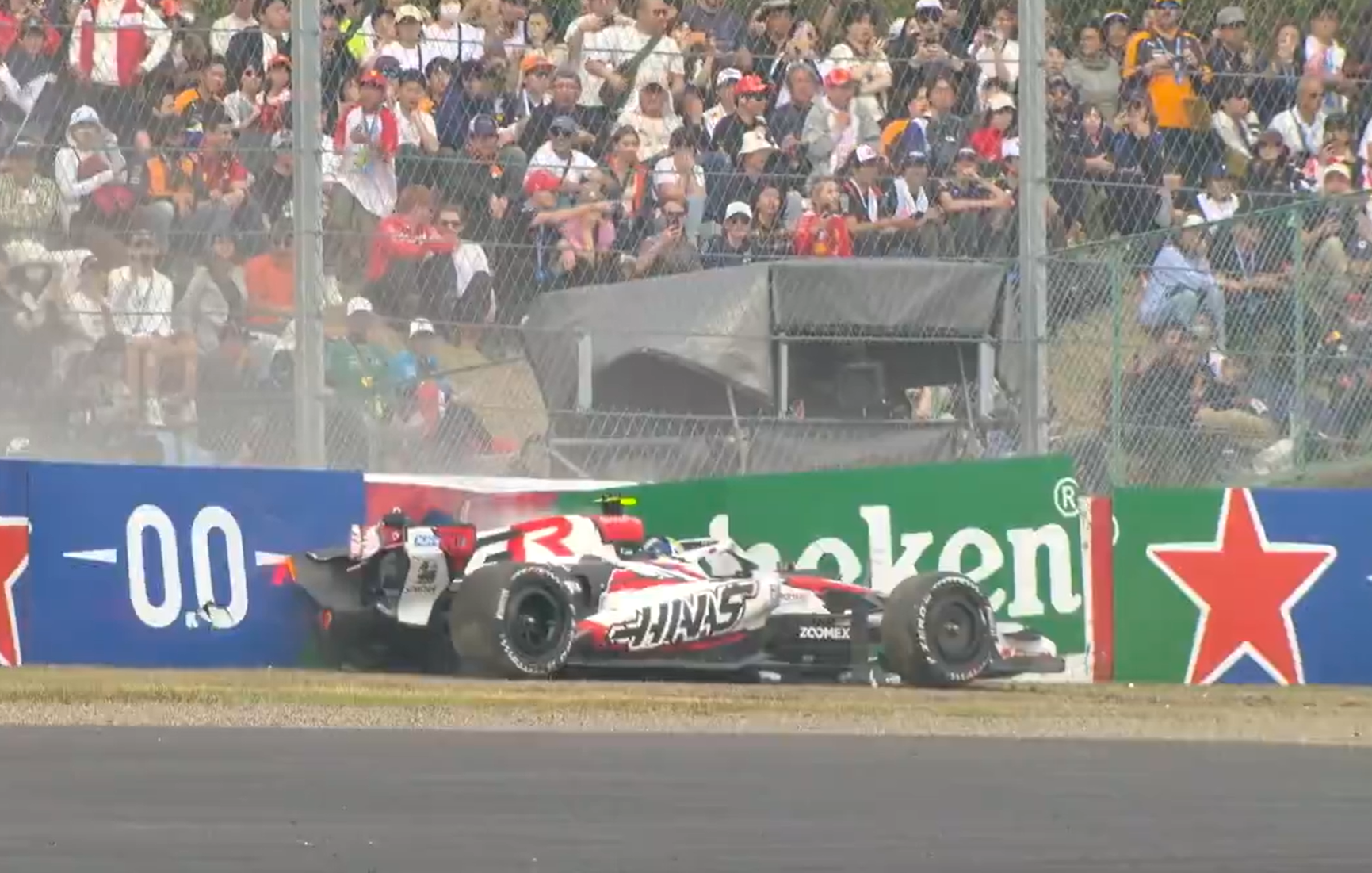
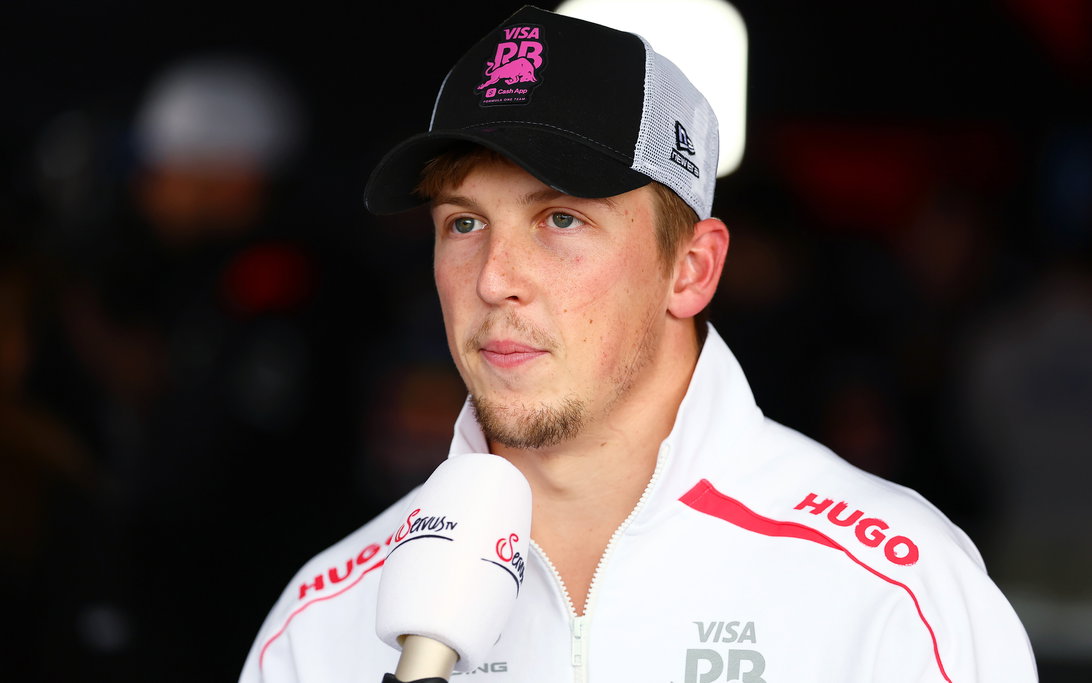
- The catalyst for Verstappen's comments was a major crash for Haas rookie Oliver Bearman at the Spoon Curve. Bearman was forced to take evasive action when Franco Colapinto ahead suddenly slowed to recharge his battery, sending the Haas driver onto the grass and into the barrier at high speed. Bearman sustained a bruised right knee.
- Verstappen connected this to a broader issue with qualifying rules, stating, "In qualifying, to go faster, you basically need to go slower. It's just not how it should be."
- He highlighted the confusion caused by rules around lifting off the throttle, track limits, and energy management, which require drivers to perform specific, non-intuitive actions to set a legal lap time.
- The three-time champion pointedly suggested that the term "safety" is sometimes used to justify these complex regulations, remarking, "If it's all about safety, it's easy to fix things. You can use safety for a lot of stuff."
What's next:
Verstappen's high-profile criticism adds significant weight to ongoing discussions about simplifying F1's sporting regulations. As a leading voice in the paddock, his comments will likely pressure the FIA and Formula 1 to review whether certain rules have unintended consequences for driver safety and the essence of competition. While immediate changes are unlikely, this incident and the subsequent reaction could accelerate efforts to declutter the rulebook for the 2026 season and beyond, aiming for regulations that enhance safety without compromising the fundamental challenge of driving on the limit.
Original Article :https://www.gpblog.com/en/news/verstappen-proven-right-after-massive-crash-and-a...