





Oliver Bearman's 50G Suzuka Crash Ignites F1 2026 Regulation Debate
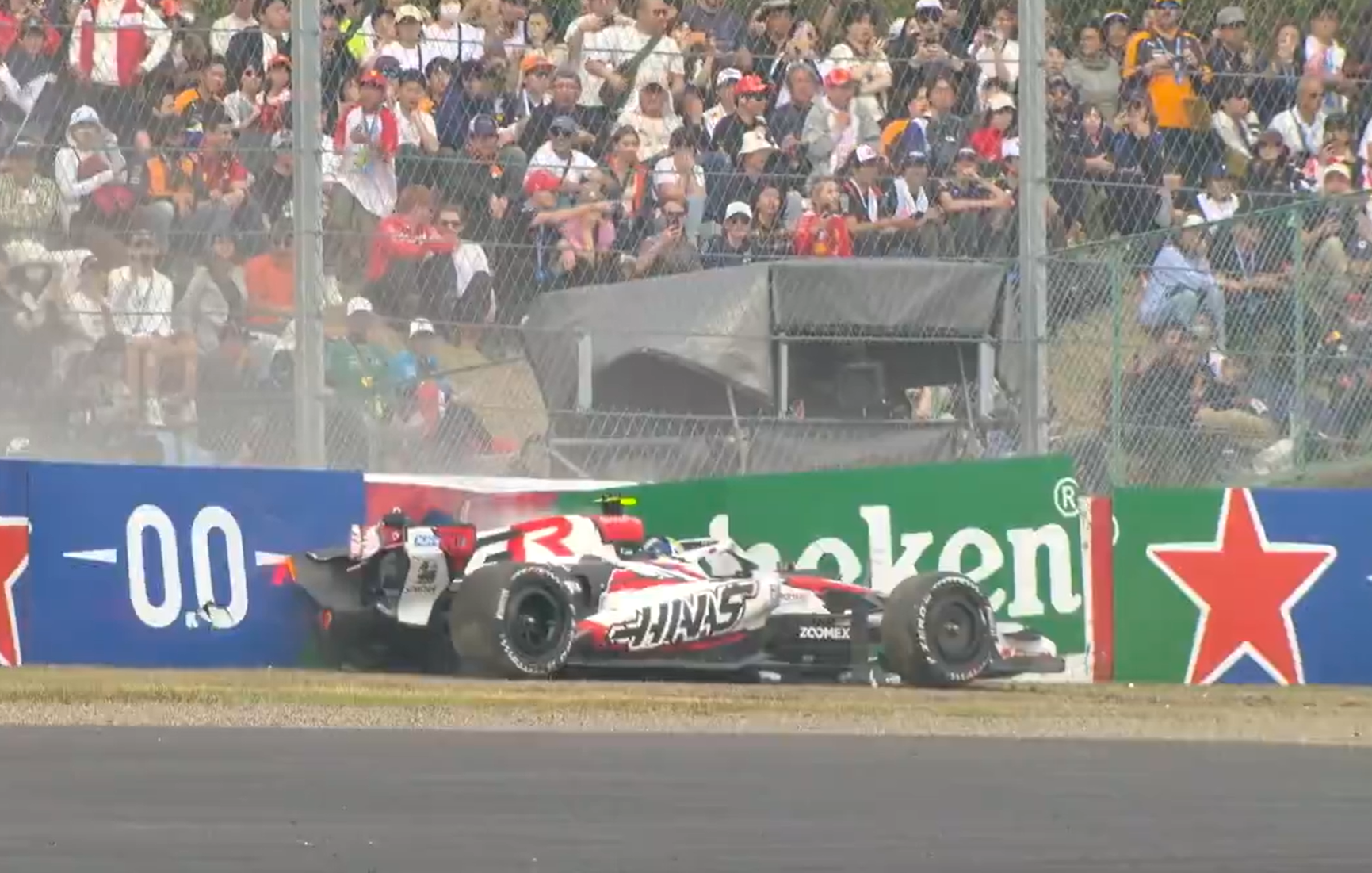
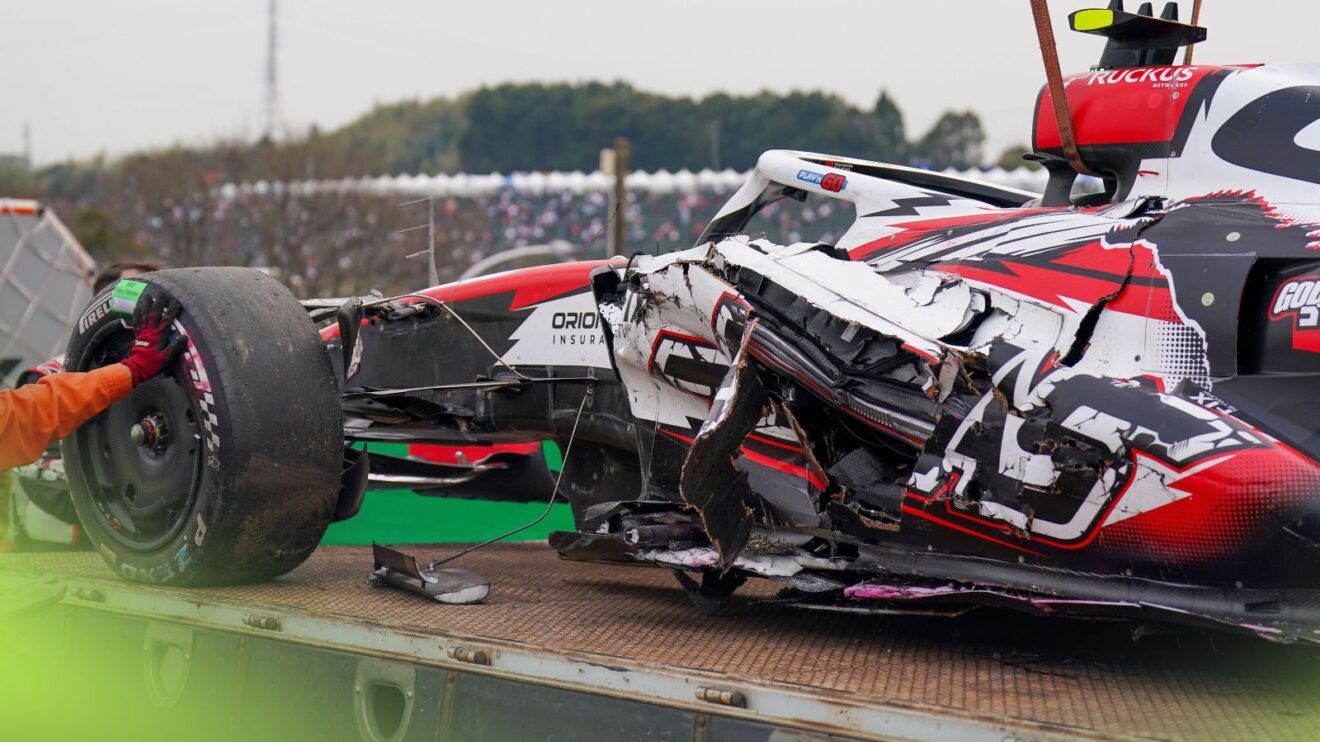
A massive 50G crash for Haas driver Oliver Bearman at the Japanese Grand Prix has intensified criticism of Formula 1's 2026 technical regulations, with drivers and teams calling for urgent review. The incident, caused by a sudden speed differential during battery energy deployment, has pushed the sport's governing body to schedule emergency meetings, while world champion Max Verstappen has hinted the controversial rules could drive him out of F1.
Why it matters:
The crash represents the physical manifestation of fears drivers have voiced since the 2026 rules were unveiled. It exposes a critical safety flaw rooted in the new power unit's complex energy management, moving the debate from theoretical concern to immediate, actionable risk. With a star driver like Verstappen publicly questioning his future over the regulations, the sport faces a pivotal moment that could affect competition, safety, and its star power.
The details:
- The Incident: Oliver Bearman's crash occurred when he attempted to overtake the Alpine of Franco Colapinto on the approach to Suzuka's high-speed Spoon Curve. A significant and sudden speed differential, created as the car ahead harvested battery energy and Bearman's car deployed it, forced him onto the grass where he lost control and impacted the barrier at 50G.
- The Core Problem: The 2026 regulations mandate a near-50/50 split between internal combustion engine and electrical power. This creates extreme variances in straight-line speed as cars manage battery harvesting and deployment, leading to unpredictable and dangerous closing speeds during overtaking.
- Driver Backlash: The crash has unified the driver grid in criticism. Carlos Sainz labeled the situation "dangerous" and called for immediate changes, stating the speed deltas are currently "unacceptable." Their long-standing complaints have gained undeniable credibility following the shunt.
- FIA Response: The FIA confirmed a series of meetings in April to review the regulations, emphasizing the rules have "a degree of adjustability" to address such issues. They acknowledged the need to analyze the Bearman incident and its implications for the final 2026 specification.
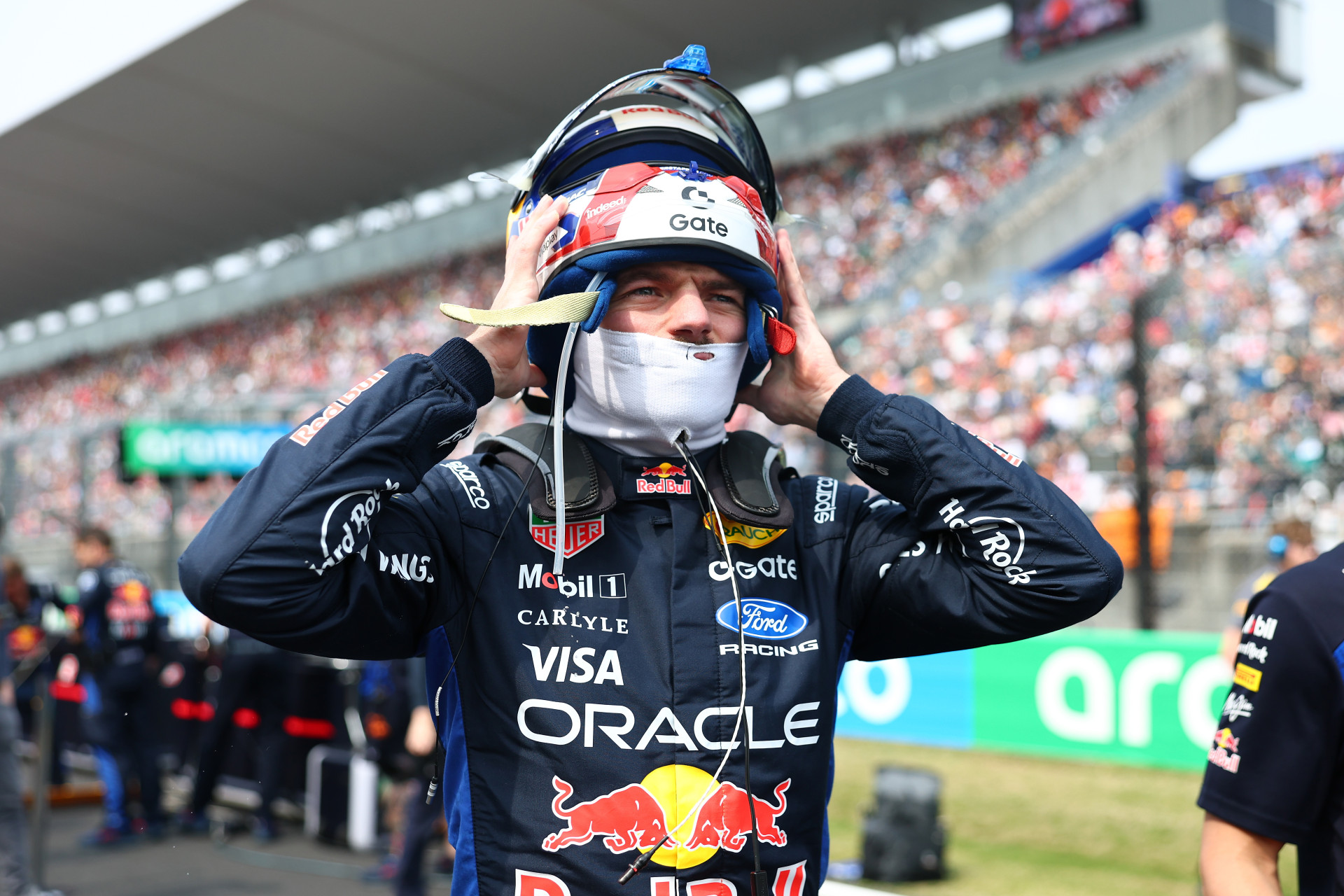
- Champion's Ultimatum: Max Verstappen, a vocal critic, stated the Suzuka weekend solidified his negative view. He confirmed he is "contemplating" leaving Formula 1 at the end of the 2026 season if the racing product is compromised, applying immense pressure on regulators.
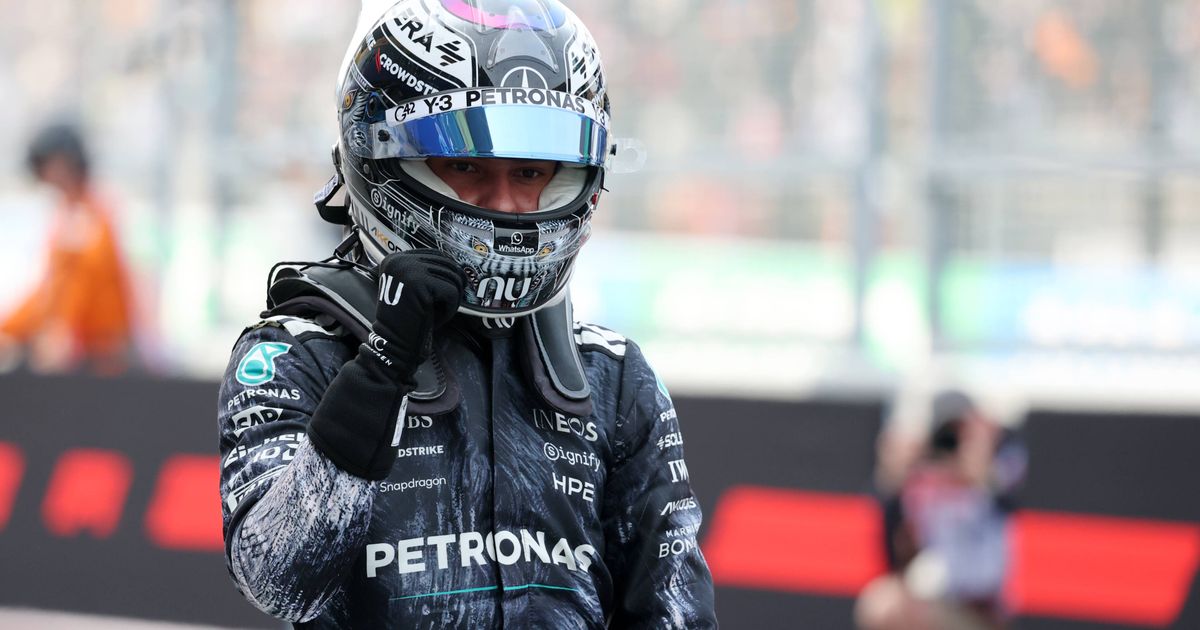
- Team Tensions: Beyond the regulation drama, Ferrari faces internal scrutiny after Lewis Hamilton finished sixth, citing a mysterious power loss compared to teammate Charles Leclerc's podium-finishing car. Hamilton has demanded answers from the team regarding the performance discrepancy.
What's next:
The FIA's April meetings will be the first major test of the governing body's willingness to adapt the 2026 rules framework in response to driver safety concerns. The sport must find a technical compromise that maintains the stated goals of sustainability and closer racing without introducing unacceptable risk. Failure to do so could not only endanger drivers but also lead to the premature exit of its biggest star, undermining the championship's stability just as it seeks to implement its next-generation vision.
Original Article :https://www.planetf1.com/news/f1-told-listen-oliver-bearman-50g-suzuka-crash