




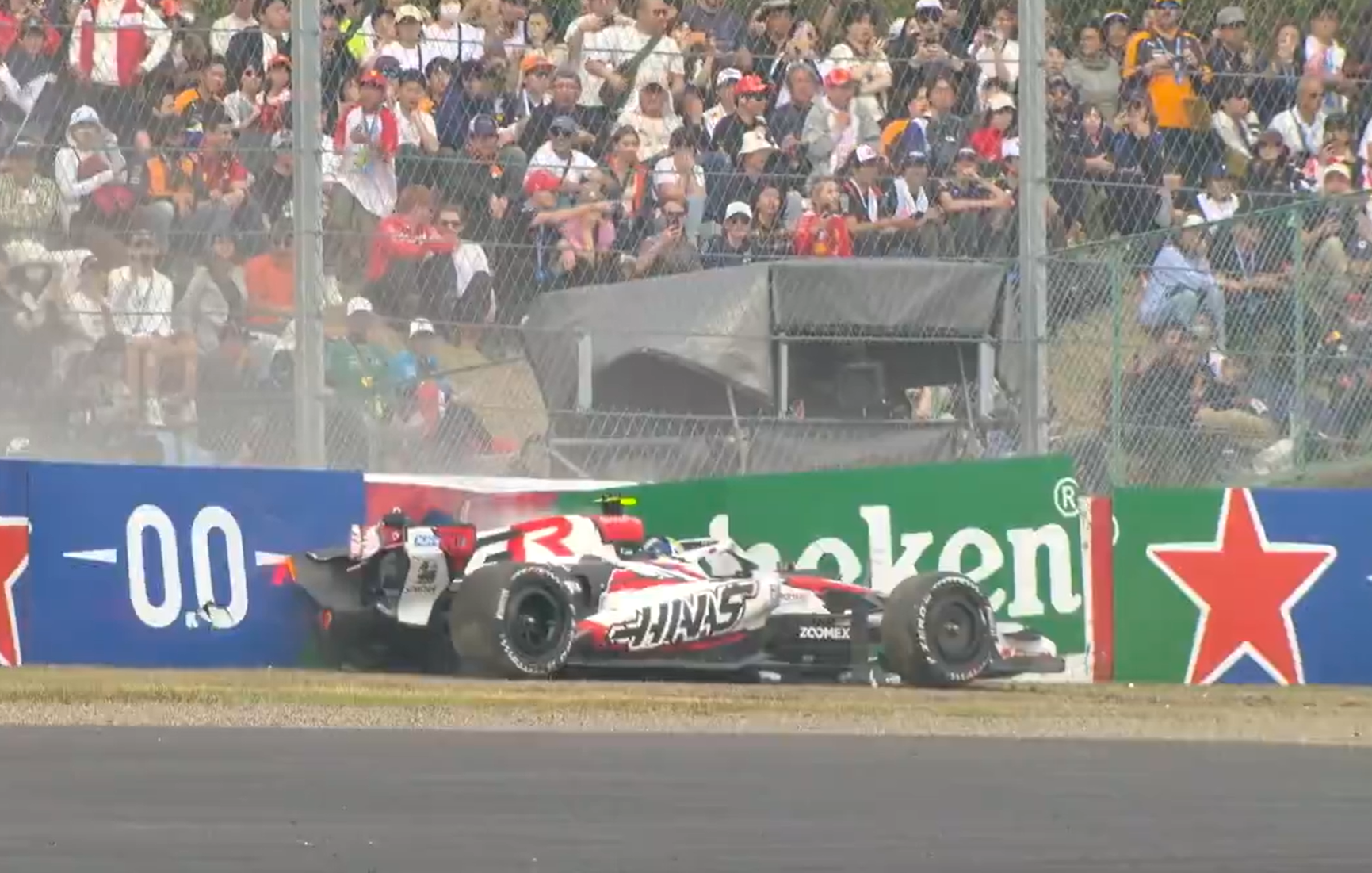
F1 drivers demand FIA action after Bearman crash highlights 'dangerous' speed deltas
A massive crash for Haas driver Oliver Bearman at the Japanese Grand Prix has intensified calls from Formula 1 drivers for immediate regulatory changes, citing "dangerous" speed differences created by the 2026 car regulations. The Grand Prix Drivers’ Association, led by Carlos Sainz, warns that unpredictable closing speeds of up to 50-60 km/h during battles are creating unsafe racing conditions that could lead to more serious accidents.
Why it matters:
The incident has moved a long-standing theoretical safety concern into stark reality, putting direct pressure on the FIA to act. Drivers argue that the current energy deployment rules, which allow for extreme speed differentials on straights, compromise the fundamental safety and fairness of wheel-to-wheel racing. With the season underway, the governing body faces a critical test of its ability to respond proactively to driver feedback versus team interests.
The Details:
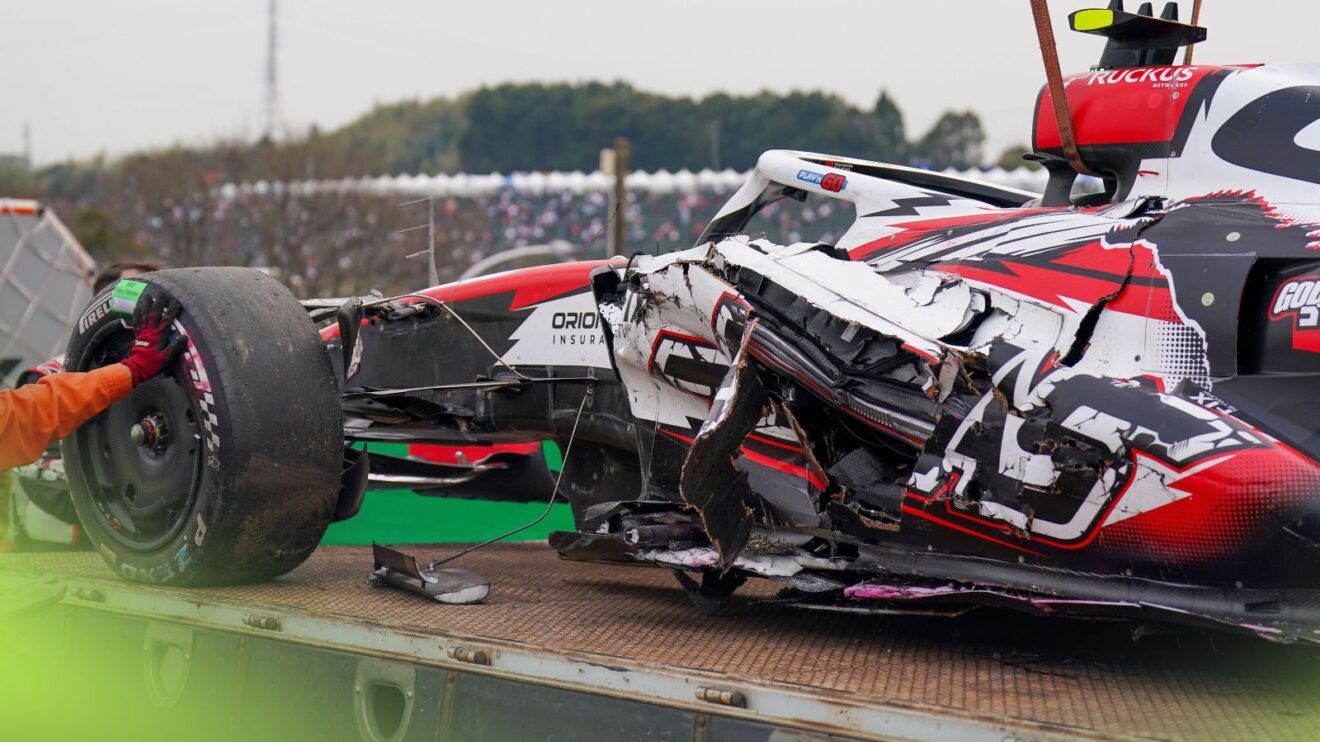
- The crash occurred when Bearman, approaching the Spoon corner at over 300 km/h, was caught out by the sudden deceleration of Franco Colapinto’s Alpine ahead. Swerving to avoid a collision, he lost control on the grass and hit the barrier with a 50G impact, escaping with only knee bruising.
- Drivers unanimously point to the 2026 power unit regulations as the root cause. Different energy deployment modes can leave one car with minimal power while another uses a high-power "overtake" or "mushroom" mode, creating massive and unexpected closing speeds.
- Driver Feedback: Carlos Sainz stated drivers have been warning the FIA and F1 about this specific risk since before the season. "There’s no category in the world where you have this kind of closing speeds... that’s when big accidents can happen," he said, criticizing the focus on "fun" television over driver safety.
- Widespread Concerns: Multiple drivers confirmed experiencing similar scary moments:
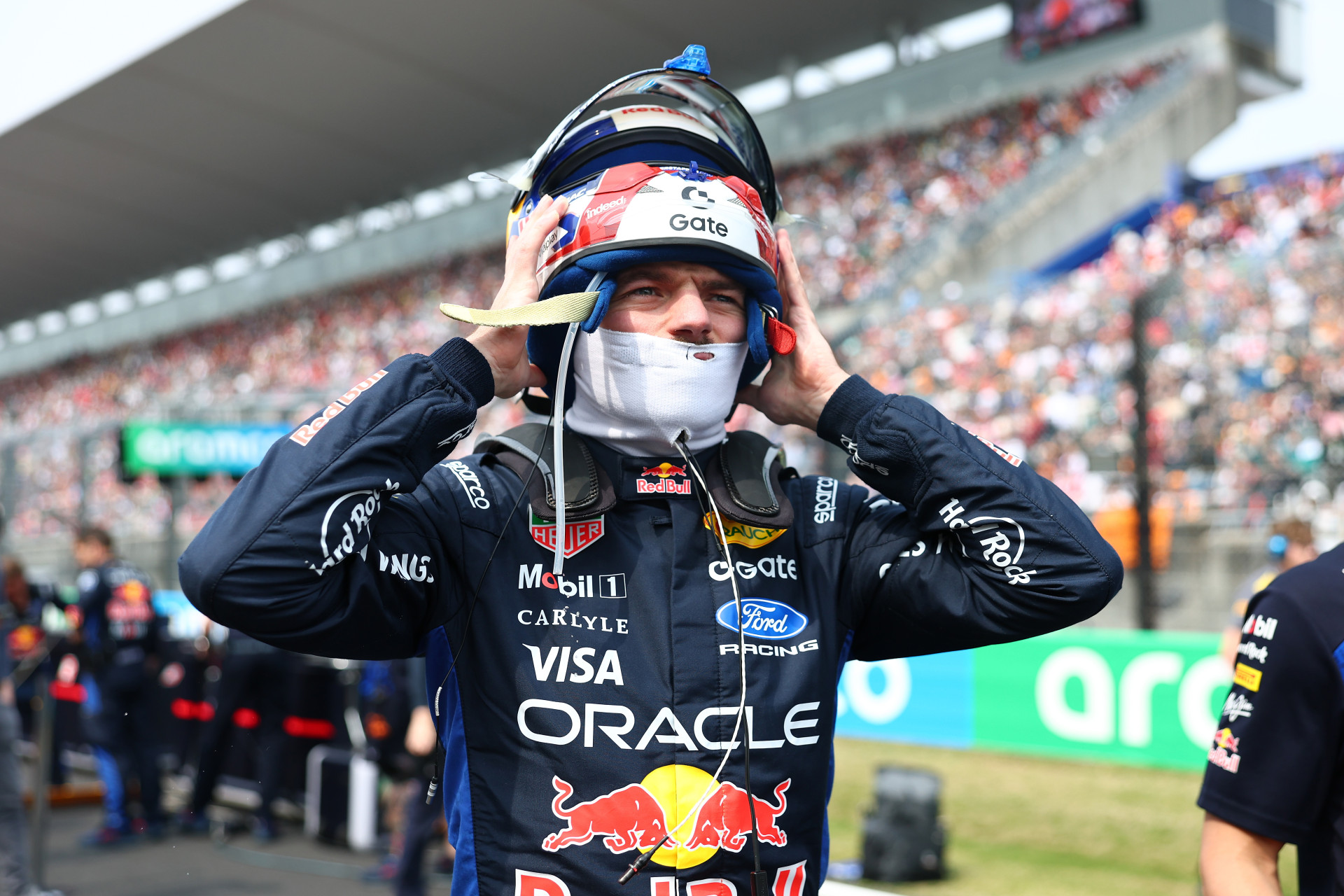
- Max Verstappen called the 50-60 km/h differences "really, really big" and "very dangerous," comparing the effect to moving under braking.
- Oscar Piastri revealed a "close call" with Nico Hulkenberg in practice, where the closing speed was three times higher than expected.
- Lando Norris indicated several such incidents occurred during the race itself.
- Team Acknowledgment: McLaren Team Principal Andrea Stella confirmed this was "not a surprise," noting concerns were raised in pre-season testing and the issue is on the FIA's agenda for regulatory improvements.
What's Next:
The FIA has acknowledged that high closing speeds contributed to Bearman's crash and confirmed that review meetings are scheduled for April to assess the new regulations.
- The governing body stated the 2026 rules were designed with adjustable parameters, particularly in energy management, allowing for refinements based on real-world racing data.
- Any potential adjustments will require careful simulation and analysis, with discussions involving the FIA, Formula 1, teams, manufacturers, and drivers before decisions are made.
- The clock is now ticking. Drivers have made their urgent safety case public, and the FIA's response before the next rounds of the championship will be closely watched to see if stakeholder collaboration can swiftly address a clear and present danger on track.
Original Article :https://speedcafe.com/f1-news-2026-japanese-grand-prix-oliver-bearman-crash-reac...