










The High-Stakes Complexity of Singapore’s Sprint Weekend
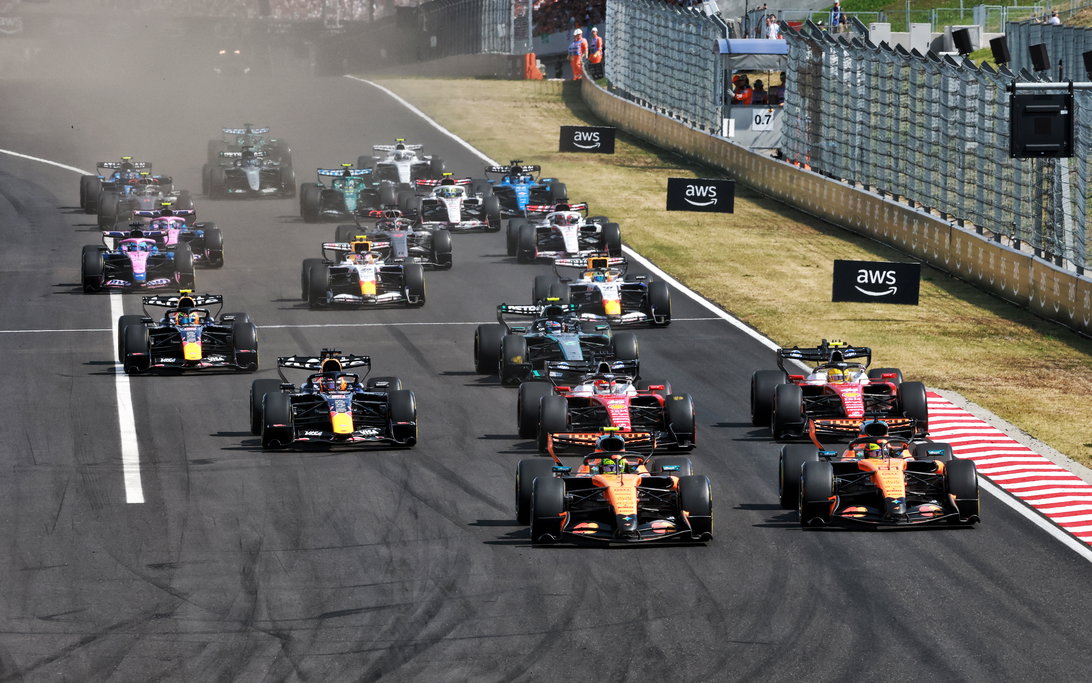
Singapore has always been a physical and mental grind, but the 2026 Sprint format elevates the risk. With only one practice session before the pressure of Sprint Qualifying, drivers must find their limit almost immediately on a track that evolves by the minute, leaving no room for a gradual build-up of confidence.
Why it matters:
In a city circuit where passing is notoriously difficult, a subpar setup or a single mistake in FP1 can derail an entire weekend. The lack of track time forces teams to rely heavily on simulations, meaning the gap between a theoretical setup and real-world grip can be the difference between a podium and a wall.
The Details:
- Environmental Volatility: The schedule creates a moving target for engineers. FP1 takes place in the day, Sprint Qualifying at night, and the Sprint itself under the sun. This drastically alters tyre response and track grip.
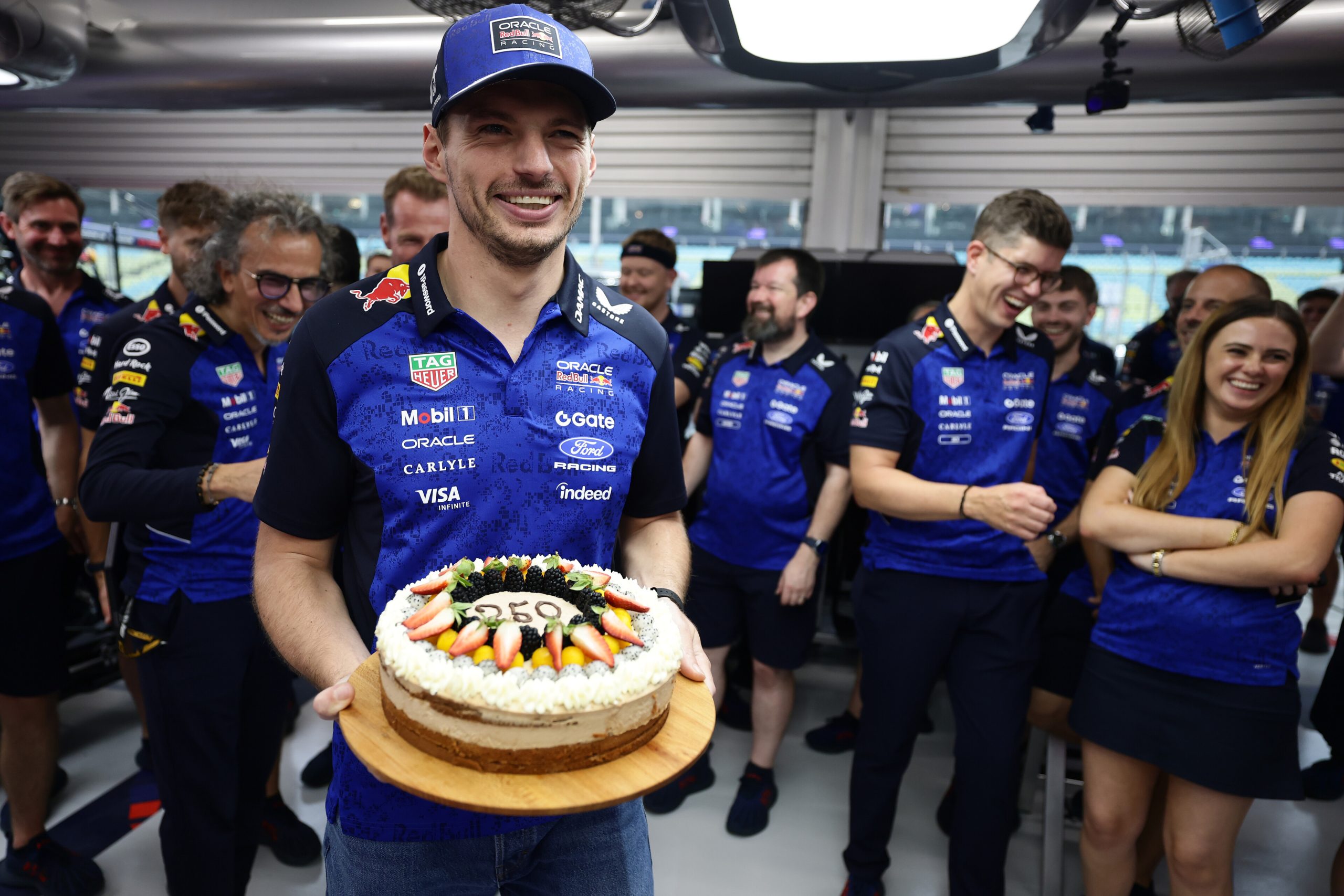
- The Baseline Struggle: Max Verstappen emphasizes that finding a stable balance in FP1 is critical. Because the track evolves so rapidly, starting with a flawed baseline makes it nearly impossible to catch up during the hectic Sprint sessions.
- Simulation Dependency: Lewis Hamilton notes that Ferrari's ability to hit the ground running depends on their simulation team. In a Sprint weekend, the teams that arrive with the most accurate virtual models have a massive advantage.
- The Rookie Hurdle: For rookie Arvid Lindblad, the challenge is magnified. Without the luxury of multiple practice sessions, building confidence on a wall-lined circuit—having only experienced it in a simulator—is a high-risk endeavor.
The Big Picture:
For championship leader Kimi Antonelli, the weekend is a test of adaptability. The volatility of a city circuit during a Sprint weekend rewards drivers who can process rapid changes in grip and temperature. For the rest of the grid, it is a war of attrition where the primary goal is simply to survive the qualifying sessions without a crash.
What's next:
As the field transitions from the Sprint to the main Grand Prix, the focus shifts to endurance. The teams that successfully balanced their setup for both day and night conditions will hold a significant edge in Sunday's race, where tyre management and heat exhaustion become the deciding factors.
Original Article :https://www.formula1.com/en/latest/article/why-the-singapore-sprint-weekend-pose...