







F1 Drivers Divided Over Cooling Vests as 'Heat Hazards' Persist
Formula 1 drivers remain deeply divided over the implementation of cooling vests as the grid navigates another 'heat hazard' weekend in Singapore. While some view the technology as a performance necessity to combat extreme cockpit temperatures, others argue it is a redundancy that compromises the spirit of endurance racing.
Why it matters:
This isn't merely a question of driver comfort; it is about cognitive function and safety. When cockpit temperatures soar, drivers face physical exhaustion and even hallucinations, which directly impact lap times and decision-making. In an era of marginal gains, the ability to keep a driver's core temperature stable can be the difference between a podium and a DNF.
The Details:
- FIA Regulations: The 'heat hazard' status is triggered when temperatures exceed 31°C, allowing teams to install liquid-cooling systems that pump chilled fluid through a driver's vest.
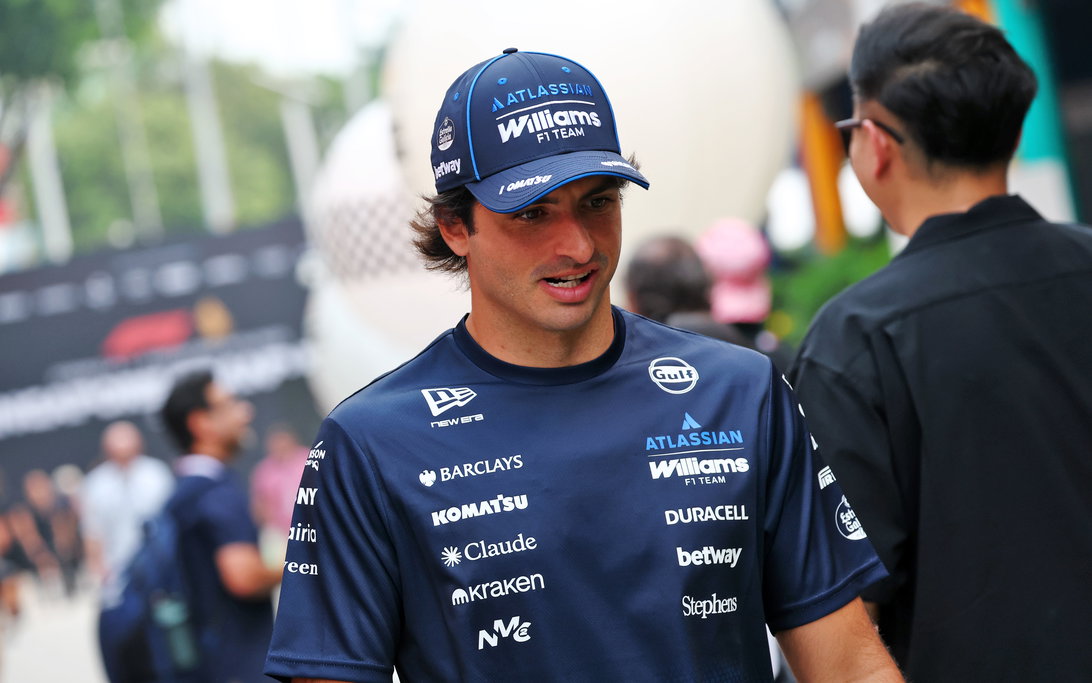
- Development Gap: There is a significant disparity in hardware. Williams has emerged as a leader in this area, with Carlos Sainz and Alex Albon reporting high satisfaction. Meanwhile, George Russell notes that Mercedes has struggled to commit the resources needed for an efficient 2026 version.
- Reliability Risks: The technology is not without danger. Kimi Antonelli recounted a failure in Austin where a malfunctioning pump circulated 50°C water, resulting in heat stroke after the session.
- Performance Impact: Proponents like Esteban Ocon argue that maintaining an optimal temperature is a massive physical gain. Alex Albon noted that during the 2023 Qatar GP, heat exhaustion led to a tangible loss in pace, proving that 'brain fog' from overheating limits a driver's ability to manage energy and tires.
Between the lines:
The debate reveals a growing cultural split within the paddock. On one side, the 'purists'—led by Max Verstappen and Isack Hadjar—believe that enduring extreme heat is part of the sport's inherent difficulty. On the other, a new school of thought treats the driver as an elite athlete whose physiological performance must be optimized through technology to ensure maximum precision.
What's next:
As the 2026 season progresses, the focus will shift from availability to reliability. For the skeptics to be won over, teams must develop 'bulletproof' systems that can last a full race distance without failing. If the technology becomes seamless, the performance advantage may eventually make cooling vests a mandatory standard rather than a luxury choice.
Original Article :https://www.the-race.com/formula-1/should-be-banned-f1-drivers-divided-over-cool...