






Sauber's 10 Key Moments in 600 F1 Races: A Legacy of Resilience
Sauber is set to celebrate its 600th Formula 1 Grand Prix at Imola, a milestone that encapsulates its journey through the highs and lows of the sport. From its debut in 1993, the team, later known as Alfa Romeo, has seen moments of glory and faced near-collapse, yet it persevered, evolving into what will soon be Audi. This article revisits ten key moments that define Sauber's legacy.
1993 South African GP: Debut Points
Why it matters: Sauber's entry into F1 was marked by early promise, with JJ Lehto securing points in the team's debut race despite mechanical issues.
The details: The Sauber C12, designed by Harvey Postlethwaite, showed immediate pace. Lehto's fifth-place finish, after overcoming a two-lap pit stop and attrition among competitors, demonstrated the car's potential and the team's resilience.
What's next: This early success set the stage for Sauber's future, highlighting their ability to compete even with limited resources.
1995 Italian GP: First Podium
Why it matters: Heinz-Harald Frentzen's third-place finish at Monza marked Sauber's first podium, solidifying their position in F1.
The details: Frentzen's skillful drive, combined with strategic pit stops and the retirement of frontrunners, secured a memorable result. This podium was a significant achievement, especially considering the team's challenges.
What's next: The podium was a testament to Sauber's growth and competitiveness.
1997 Hungarian GP: Herbert's Podium
Why it matters: Johnny Herbert's third place at the Hungaroring showcased the team's ability to capitalize on opportunities and achieve strong results.
The details: Herbert’s performance, on a day where Goodyear tyres struggled, proved the team's strategic acumen. He secured the podium, a significant moment in the Sauber-Ferrari partnership.
What's next: This podium was a highlight in a season that demonstrated Sauber's potential.
2001 Australian GP: Double Points Finish
Why it matters: Nick Heidfeld's points finish, along with Kimi Raikkonen's debut points, marked a turning point for Sauber, setting the stage for a competitive season.
The details: Heidfeld and Raikkonen's strong performances, particularly in the chaotic race, showed the team's ability to identify and nurture young talent.
What's next: This race was pivotal, launching Raikkonen's career and demonstrating Sauber's eye for talent.
2006 Hungarian GP: First BMW Podium
Why it matters: Heidfeld's podium finish, marking BMW's entry into F1 as a works team, a significant milestone.
The details: Heidfeld's third-place finish in wet conditions, along with Robert Kubica's impressive debut, highlighted the team's potential with BMW power.
What's next: This result proved BMW's capabilities, despite Kubica's initial disqualification.
2008 Canadian GP: Kubica's and Sauber's Only Win
Why it matters: Robert Kubica's victory, the team's only F1 win, solidified Sauber's place in history.
The details: Kubica's victory, achieved through strategic brilliance and capitalizing on others' misfortune, remains a highlight.
What's next: This victory remains a pinnacle achievement for Sauber.
2012 Malaysian GP: Perez Almost Wins
Why it matters: Sergio Perez's near-victory in Malaysia showcased his tyre management skills and Sauber's competitiveness.
The details: Perez's second-place finish, battling Fernando Alonso in treacherous conditions, was a display of skill and strategy.
What's next: The near-win demonstrated the team's ability to compete at the front.
2015 Australian GP: Points After Turmoil
Why it matters: Felipe Nasr's points in the opening race, after a difficult 2014 and legal battles, symbolized the team's resilience.
The details: Nasr's fifth-place finish in a chaotic race demonstrated the team's fighting spirit and strategic execution.
What's next: This result was a testament to the team's ability to overcome adversity.
2016 Brazil GP: Nasr's Crucial Points
Why it matters: Nasr's points at the Brazilian GP secured vital financial rewards, keeping Sauber afloat.
The details: Nasr's ninth-place finish, in a race of high attrition, was critical for the team's survival and financial stability.
What's next: These points were crucial for the team's survival and future.
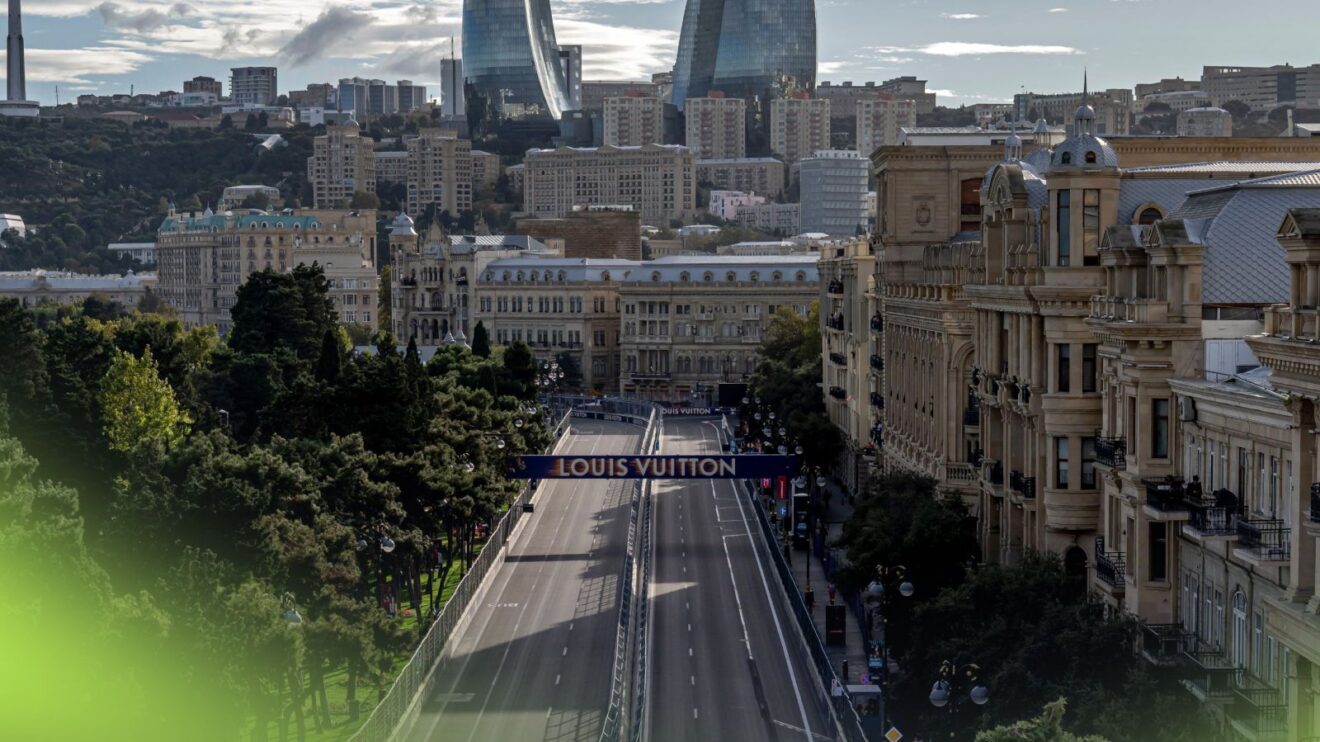
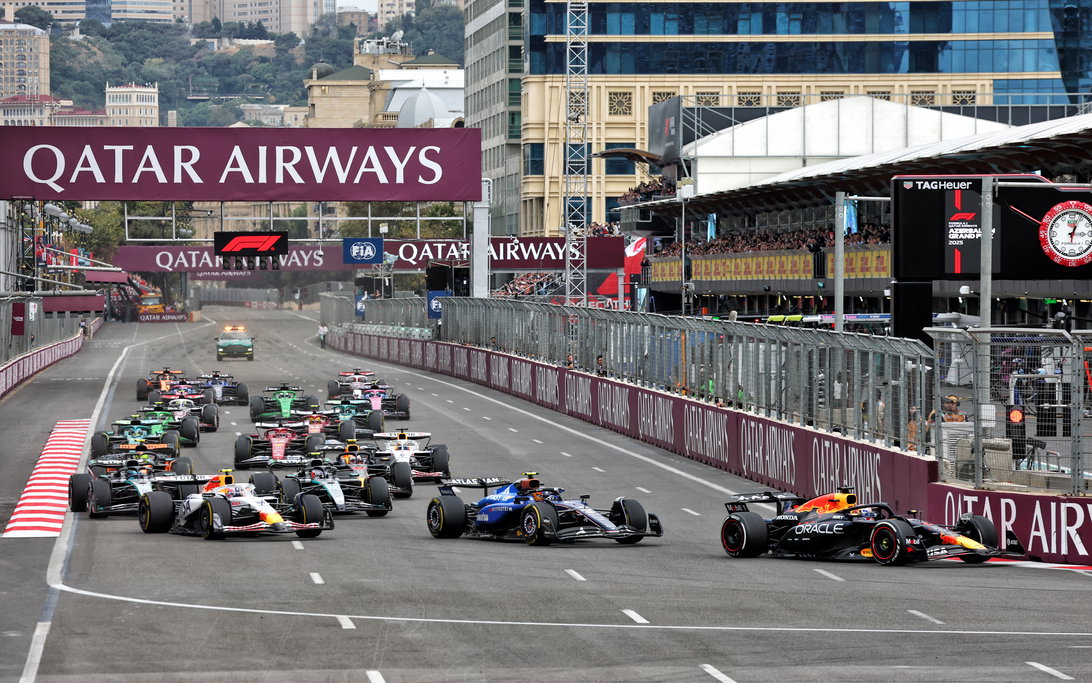
2018 Azerbaijan GP: Leclerc's First Points
Why it matters: Charles Leclerc's points finish marked a new era for Sauber, under new management and with Ferrari power.
The details: Leclerc's sixth-place finish in Baku signaled the team's renewed potential and laid the groundwork for his future success.
What's next: This marked the beginning of a new chapter for Sauber.
Original Article :https://www.motorsport.com/f1/news/sauber-top-10-moments-600-f1-gp/10721413/