




Sainz urges FIA flexibility on 2026 F1 energy rules
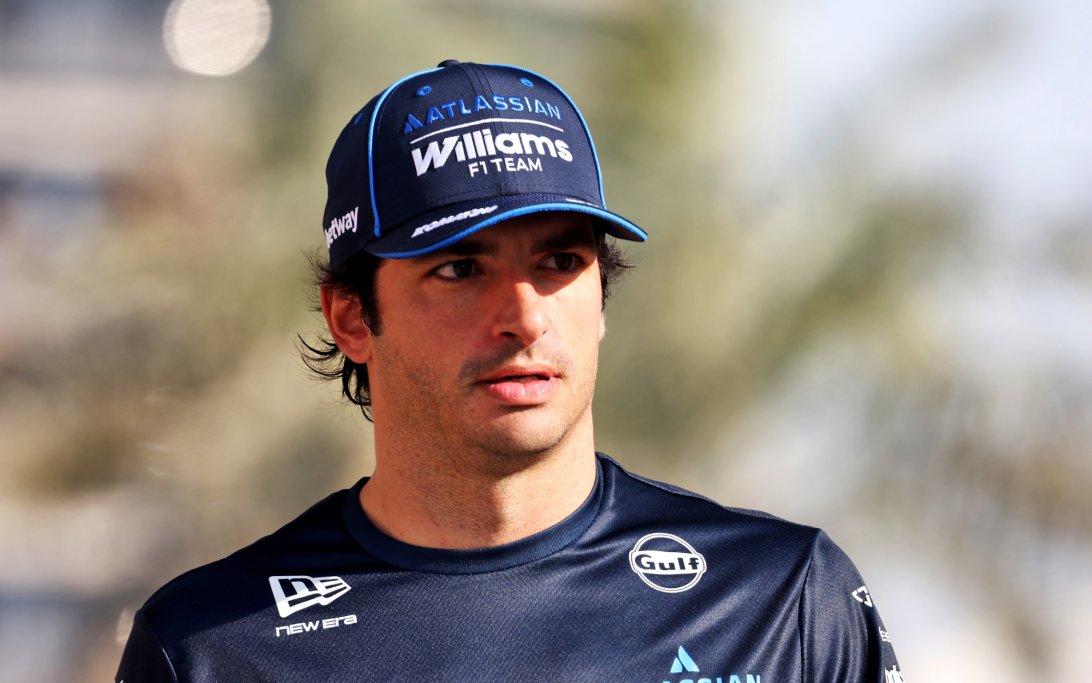
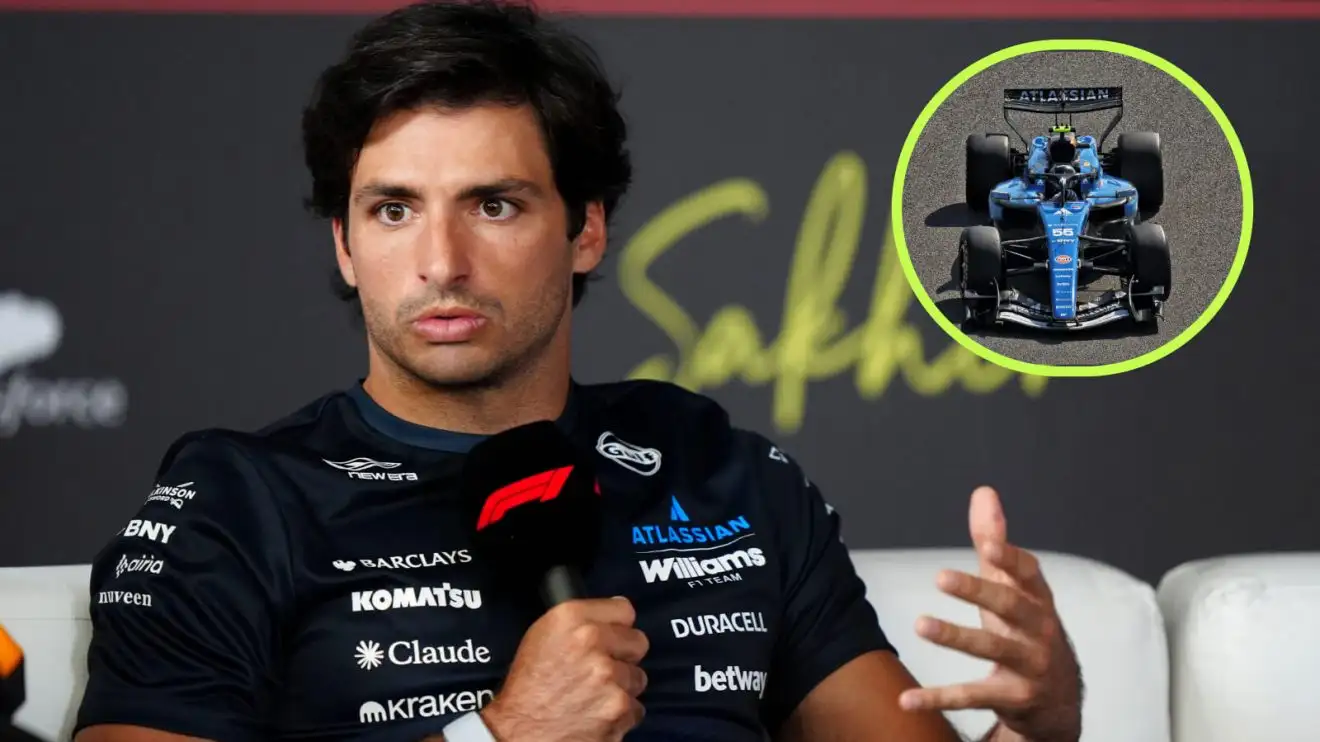
Carlos Sainz has called on the FIA and Formula 1 to remain "open-minded" and potentially adjust the 2026 energy management regulations during the season, warning that the new 50/50 power unit formula could create significant challenges at more demanding circuits like Melbourne and Jeddah. The Williams driver emphasized the need for flexibility to ensure the quality of the racing, acknowledging the difficulty in predicting how the complex new systems will perform across different tracks.
Why it matters:
The 2026 season introduces the most significant shift in power unit philosophy in a generation, with a mandatory 50% electrical energy contribution. How drivers and teams manage harvesting and deploying this energy will fundamentally reshape race strategy and on-track action. Sainz's warning highlights a real risk that the prescribed energy parameters could inadvertently compromise the racing spectacle at certain venues, making regulatory adaptability a potential key to the new era's success.
The details:
- The core of Sainz's concern is the unprecedented driver workload for in-race energy management. Drivers must now constantly decide when to harvest energy for the battery and when to deploy it, with added complexity from boost and overtake modes.
- He specifically pointed to the Australian Grand Prix in Melbourne and the Saudi Arabian Grand Prix in Jeddah as potentially problematic "energy demanding" circuits where the current rules might need tweaking.
- Sainz argues that the pre-season predictions for downforce and drag levels—critical factors in energy consumption—were inherently uncertain, justifying a flexible approach from the governing body.
- However, any in-season change faces major procedural hurdles. Engine homologation on March 1 locks in designs, and alterations would require a vote by the F1 Commission and ratification by the World Motor Sport Council.
The big picture:
Sainz's comments add a driver's perspective to growing technical and safety debates surrounding the 2026 regulations, which have already sparked discussions about compression ratios and race start procedures. His appeal for pragmatism over rigid commitment reflects a broader concern within the paddock about navigating such a radical rule change. The success of the new formula may depend not just on the rules themselves, but on the FIA's willingness to respond dynamically to real-world racing data.
What's next:
All eyes will be on the performance and energy management challenges at the season-opening races. If issues arise at circuits like Albert Park, pressure will mount on the FIA to consider Sainz's proposal for a mid-season adjustment. Meanwhile, teams will continue their intense development focus, with Sainz noting his Williams team is progressing in understanding its "tricky" new car after a productive testing program aimed at recovering lost mileage from earlier setbacks.
Original Article :https://www.planetf1.com/news/carlos-sainz-f1-2026-energy-management-limits-fia-...