








Ferrari's SF-26 Features Revolutionary 180-Degree Rotating Rear Wing
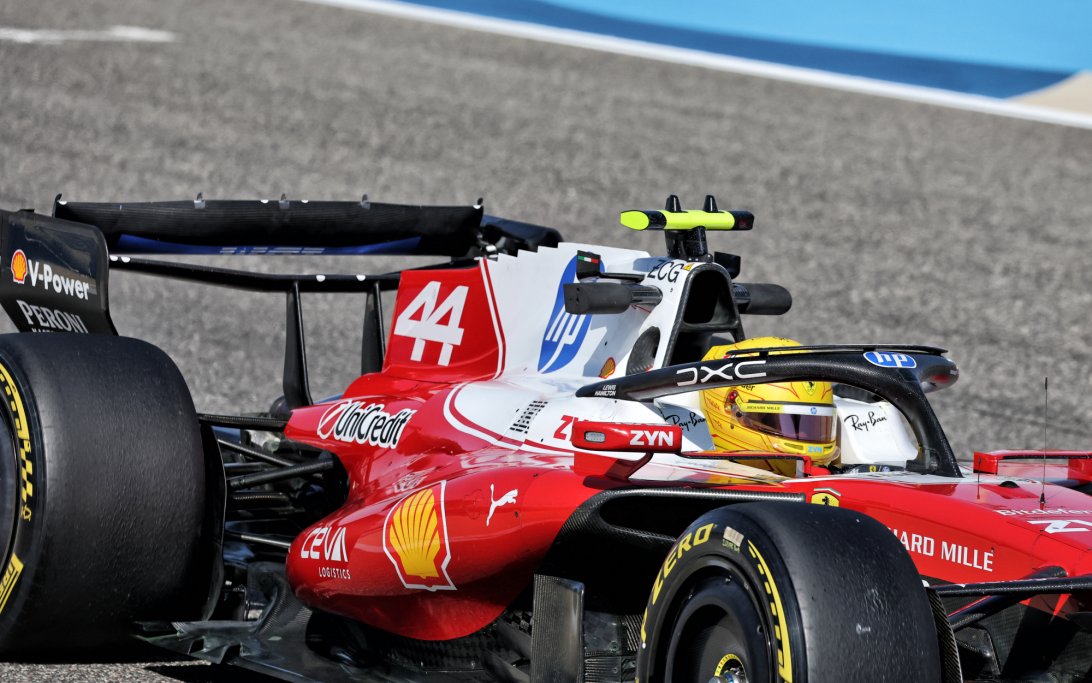
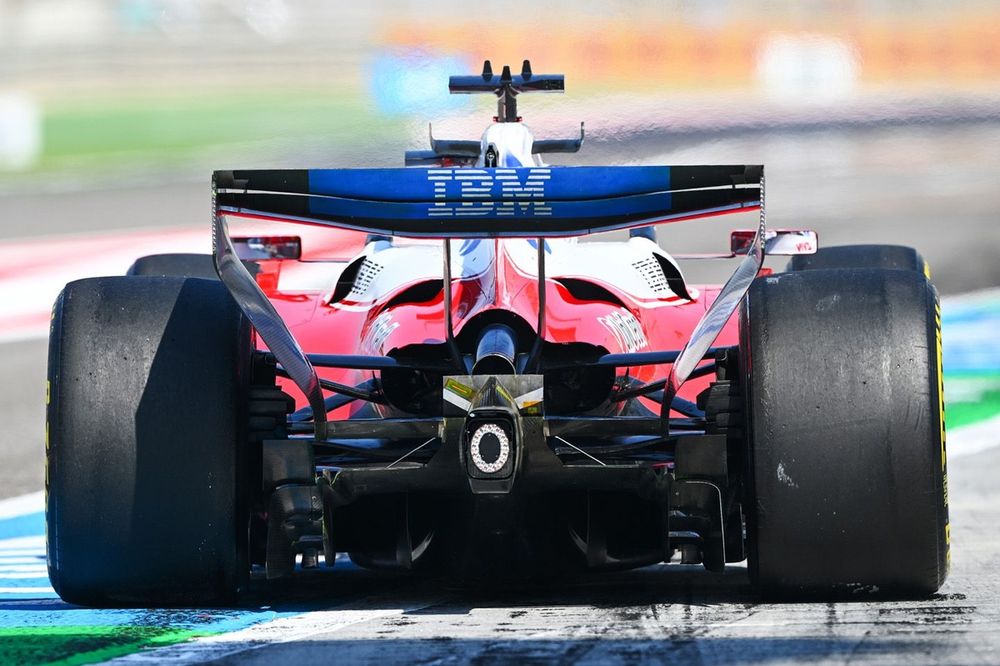
Ferrari's SF-26 has stunned the Formula 1 paddock with a radical new rear wing design that flips open 180 degrees, a key innovation aimed at maximizing aerodynamic efficiency under the new 2026 active aero rules. The system represents a significant mechanical and regulatory breakthrough, pushing the boundaries of what is possible within the current technical framework.
Why it matters:
This isn't just a minor tweak; it's a fundamental rethinking of how to manage drag and downforce. In an era where straight-line speed and energy efficiency are paramount, a reliable active rear wing that can drastically reduce drag is a potential game-changer. Ferrari's solution, if robust over a season, could provide a tangible performance advantage on circuits with long straights, directly impacting race results and energy deployment strategies.
The Details:
- Core Innovation: The wing's flaps rotate a full 180 degrees, moving from a standard downforce-producing angle to a near-vertical, low-drag position. This extreme movement required a complete redesign of the control system.
- Actuator Relocation: To enable the 180-degree rotation, Ferrari engineers moved the primary actuator from its traditional central location on the mainplane directly inside the endplate. This is a sophisticated, miniaturized design that must withstand extreme aerodynamic loads.
- Historical Echo: The endplate-mounted actuator concept recalls a controversial Mercedes design from 2011, which later evolved into the banned double DRS system. While the basic concept and implementation differ, it shows how past ideas can resurface in new regulatory contexts.
- Regulatory Green Light: The FIA has approved the design. While the wing must fit within a defined volume when closed, the regulations allow exceptions during movement, granting teams freedom to rotate the assembly beyond the standard "box."
- Reliability Challenge: The system will be activated frequently—up to four times per lap on some tracks—and must include a safety mechanism to return the flaps to a closed position if it fails. Ensuring this complex mechanical system survives the brutal forces of a full Grand Prix distance is a critical hurdle.
What's next:
All eyes will be on the SF-26's rear wing during the opening races to see if its performance matches its promise. The primary question is reliability; a brilliant concept is worthless if it fails under race conditions. If successful, this design could set a new benchmark for active aerodynamics, forcing rival teams to develop their own interpretations or countermeasures. Ferrari's willingness to pursue such an extreme solution signals an aggressive engineering philosophy that could define their 2026 campaign.
Original Article :https://www.motorsport.com/f1/news/ferrari-f1-2026-rear-wing-mercedes-2011-compa...