





Sainz urges F1, FIA to stay 'open-minded' on 2026 energy rules
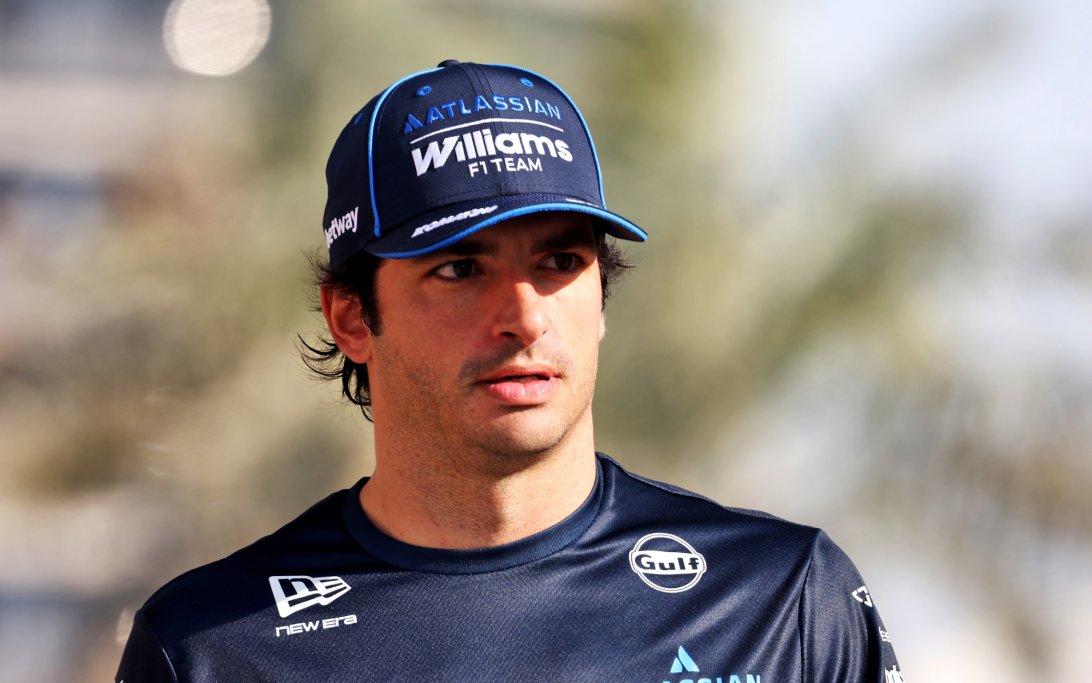
Carlos Sainz has called on Formula 1's governing body and commercial rights holder to remain flexible and consider adjusting the new 2026 power unit regulations, which drivers fear could force excessive 'lift-and-coast' driving and harm the racing spectacle. The Ferrari driver, also a Grand Prix Drivers' Association director, emphasized the need for potential "fine-tuning" after early data indicated the energy management demands might be too extreme at certain circuits.
Why it matters:
The 2026 regulations represent the most significant technical shift in a generation, mandating a 50/50 power split between the internal combustion engine and a vastly more powerful electrical system. If the energy harvesting and deployment demands are miscalculated, it could lead to drivers drastically lifting off the throttle on straights to recharge batteries—a scenario Red Bull's Max Verstappen has already criticized as "anti-racing." Getting this balance right is crucial for the sport's competitive integrity and fan appeal from the very first race of the new era.
The details:
- The core of the 2026 rules is a near-tripling of the electrical power unit's output to 350kW, creating a complex balancing act for drivers between using and recovering electrical energy.
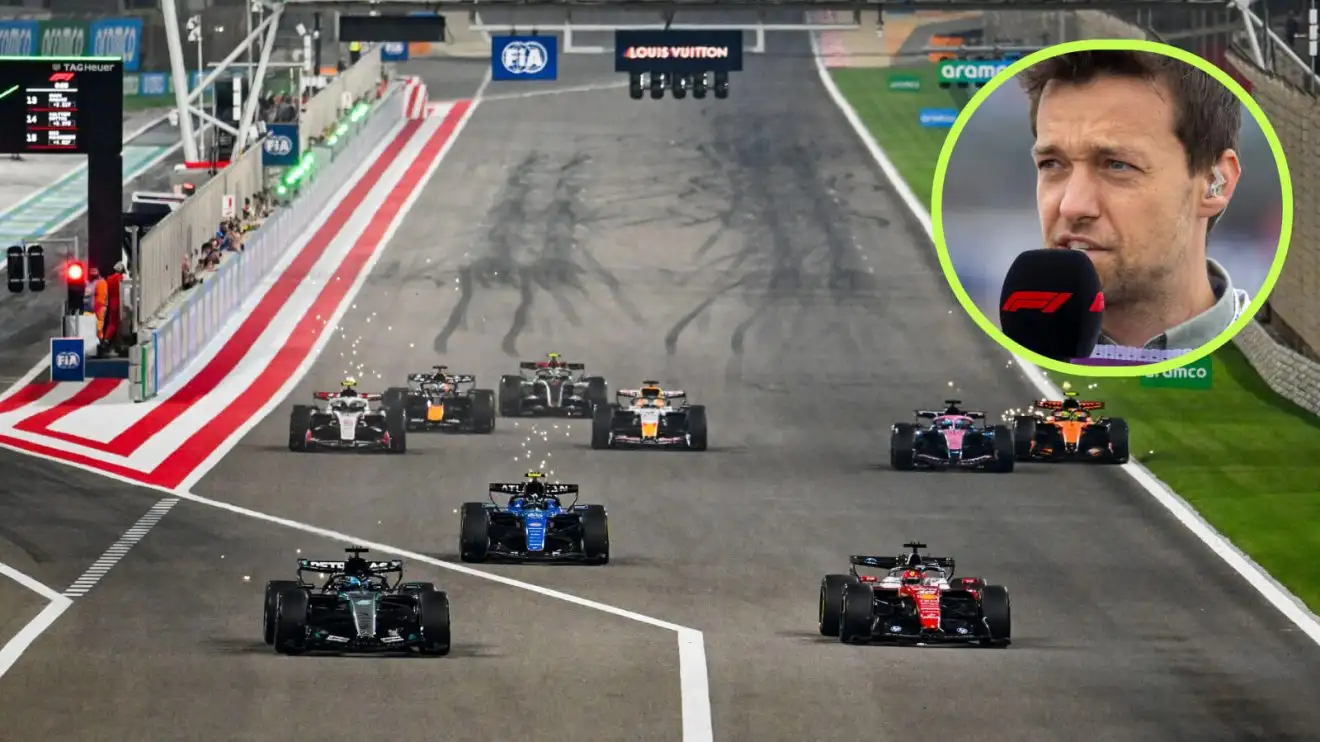
- Pre-season testing in Bahrain revealed significant "lift-and-coast" requirements, where drivers must lift off the throttle early before braking zones to harvest enough energy.
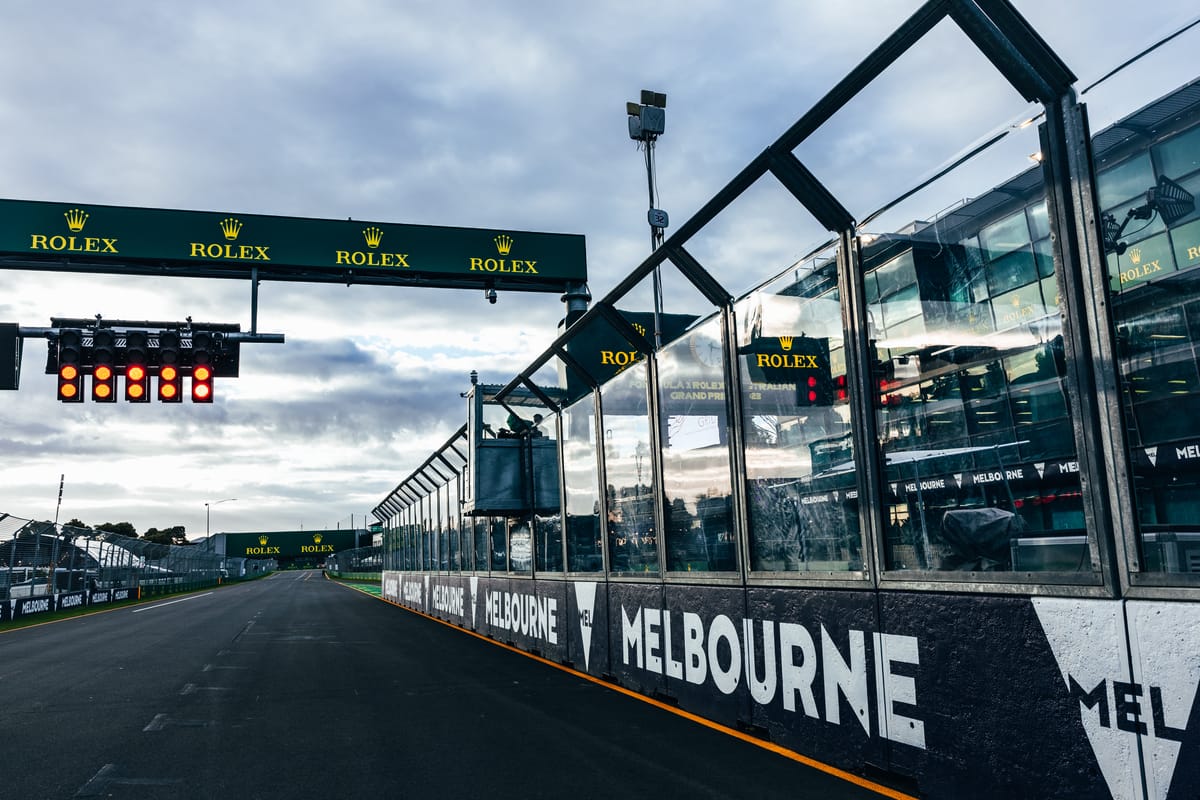
- Sainz highlighted that the problem will be circuit-dependent. While manageable in Bahrain due to numerous heavy braking zones, tracks like the upcoming Australian Grand Prix in Melbourne pose a greater challenge.
- Albert Park features long, flat-out sections with only one major braking zone, making energy recovery difficult and potentially exaggerating the need for conservative, energy-saving driving.
- The Spaniard acknowledged the difficulty for regulators, noting that predicting the final aerodynamic drag and efficiency of the 2026 cars was an immense challenge.
What's next:
Sainz's plea is for a proactive and adaptable approach from the FIA and Formula One Management (FOM) in the initial phase of the new regulations.
- The early races of the 2026 season, particularly in Australia and Saudi Arabia (Jeddah), will serve as critical real-world tests for the energy management rules.
- If the racing spectacle is compromised by drivers excessively managing their systems, there will be significant pressure on the governing bodies to enact swift adjustments to the energy deployment parameters.
- This open dialogue between drivers and regulators before the rules are set in stone is seen as vital to avoiding a flawed launch for F1's next generation of cars.
Original Article :https://racingnews365.com/carlos-sainz-makes-fia-f1-plea-over-exaggerated-2026-c...