


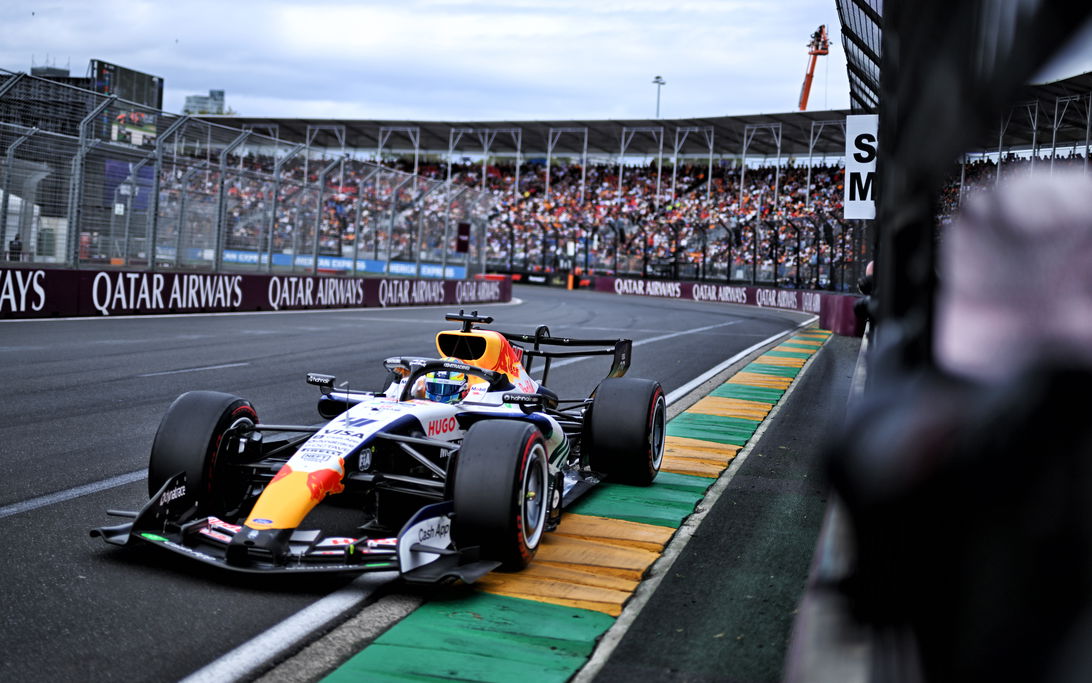

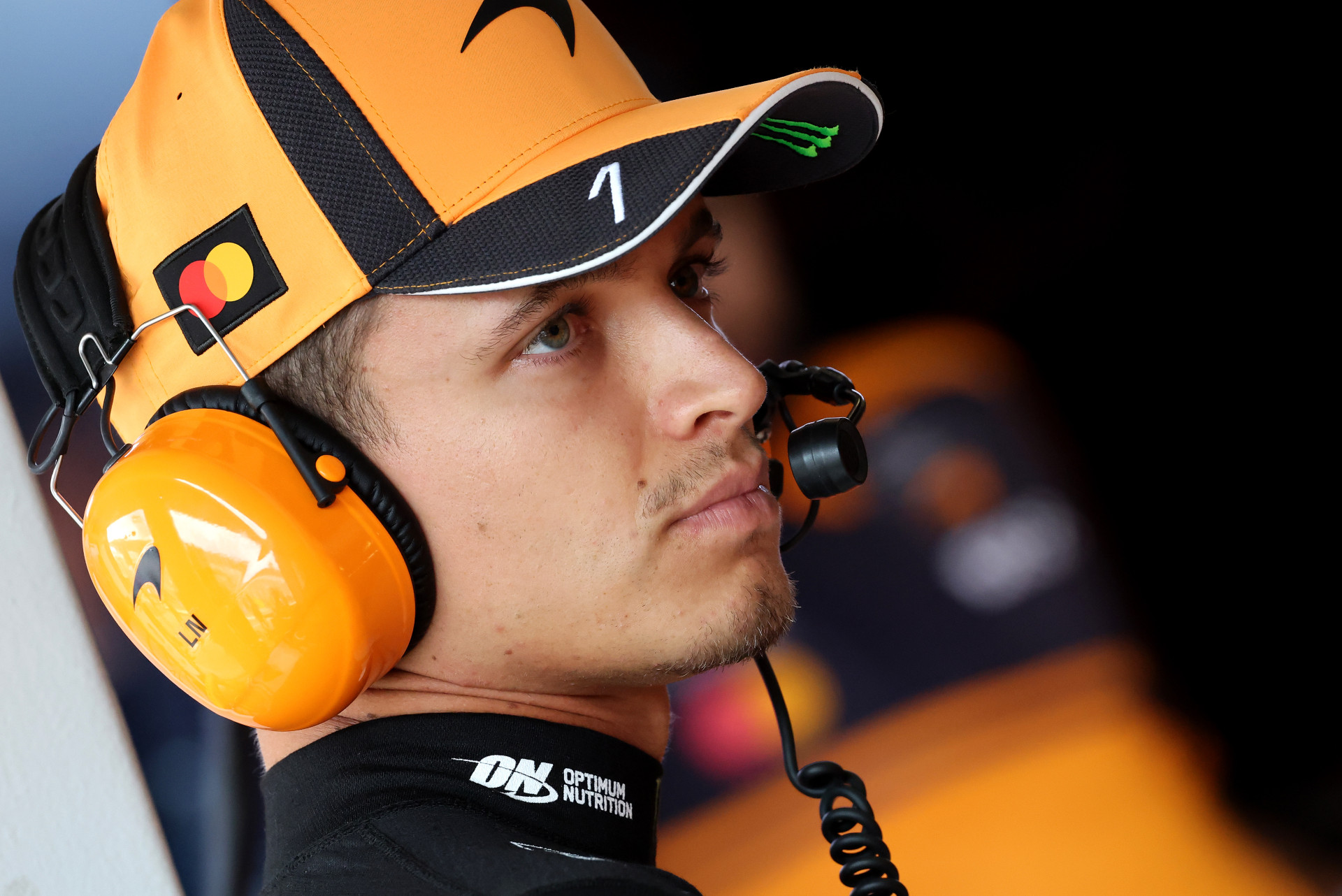
Norris brands new F1 cars 'the worst' after tough Australian GP qualifying
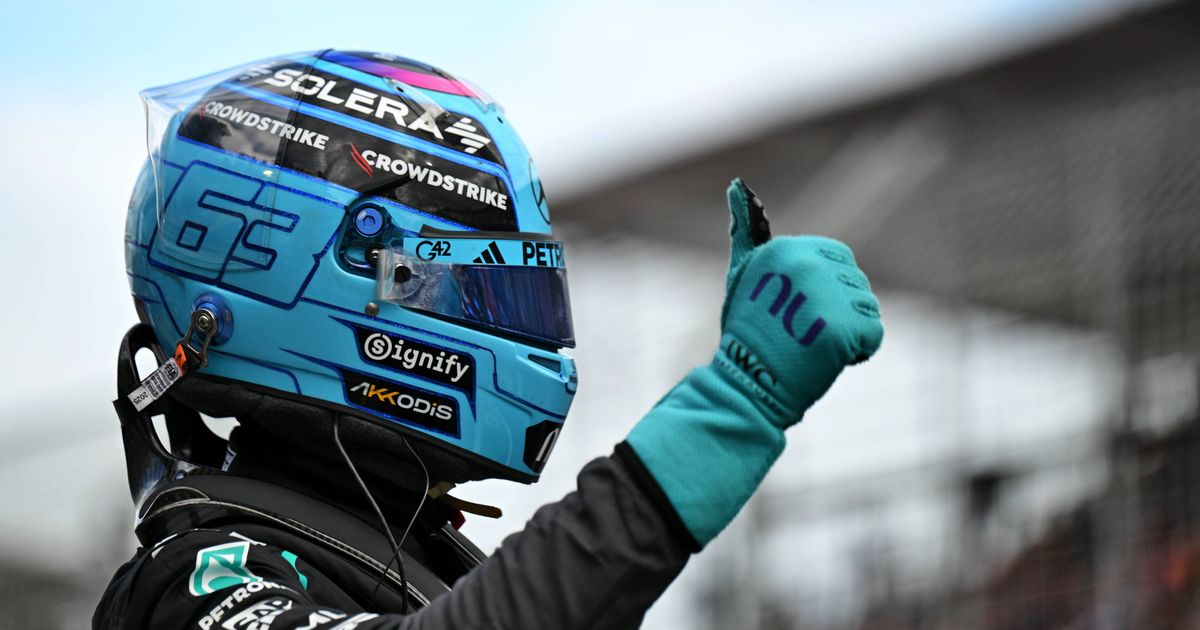
Reigning world champion Lando Norris delivered a scathing assessment of Formula 1's new 2026 cars after qualifying a disappointing sixth for the season-opening Australian Grand Prix, calling them a major step backwards in drivability. His criticism centers on the challenging 50/50 power split between electric and combustion energy, which forces excessive lifting and coasting and adds a dangerous cognitive load for drivers managing complex systems. The comments highlight a significant split in the paddock, with polesitter George Russell defending the new chassis as more agile and fun to drive, despite the ongoing power unit controversies.
Why it matters:
The stark divide between drivers over the new regulations threatens to overshadow the competitive debut of F1's latest era. Norris's complaints, echoed by Max Verstappen, focus on fundamental drivability and safety concerns stemming from the complex energy management, suggesting the sport's technical chiefs may have prioritized theoretical performance over the practical driver experience. If top stars remain vocally unhappy, it could force a reevaluation of the power unit regulations long before the 2026 season concludes.
The details:
- A Harsh Verdict: Norris did not mince words, stating, "We’ve come from the best cars ever made in Formula 1, and the nicest to drive, to probably the worst. It sucks, but you have to live with it."
- The Core Problem: The primary issue is the 50/50 split between electric and combustion power. Norris explained it "just doesn't work," forcing drivers to decelerate early for corners and constantly monitor battery levels to optimize deployment, rather than simply pushing the car to its limit.
- A Dangerous Distraction: The extra workload has tangible safety implications. Norris cited his qualifying incident—running over debris from Kimi Antonelli's Mercedes—as a direct result of being focused on his steering wheel display. "I have to look at the steering wheel every three seconds to see what’s going to happen, otherwise you’re going to end up off the track," he said.
- Paddock Divided: Not all drivers agree. Pole-sitter George Russell offered a counterpoint, defending the chassis regulations: "It feels more like a go-kart compared to last year when it felt like a bouncing bus." He acknowledged mixed views on the regulations as a whole but believes the car itself is a step forward.
What's next:
The opening race in Melbourne will be the first true test of these cars in competitive conditions, and all eyes will be on how drivers manage the race-long energy balancing act. The vocal criticism from stars like Norris and Verstappen ensures the debate over the 2026 formula's success will be a persistent storyline this season. The FIA and F1 will be under pressure to monitor driver feedback closely, especially regarding safety concerns related to cockpit workload, potentially leading to mid-season adjustments or firm directives for the 2027 season.
Original Article :https://speedcafe.com/f1-news-2026-australian-grand-prix-lando-norris-new-car-co...