


Piastri warns F1's energy demands are creating 'two different categories'
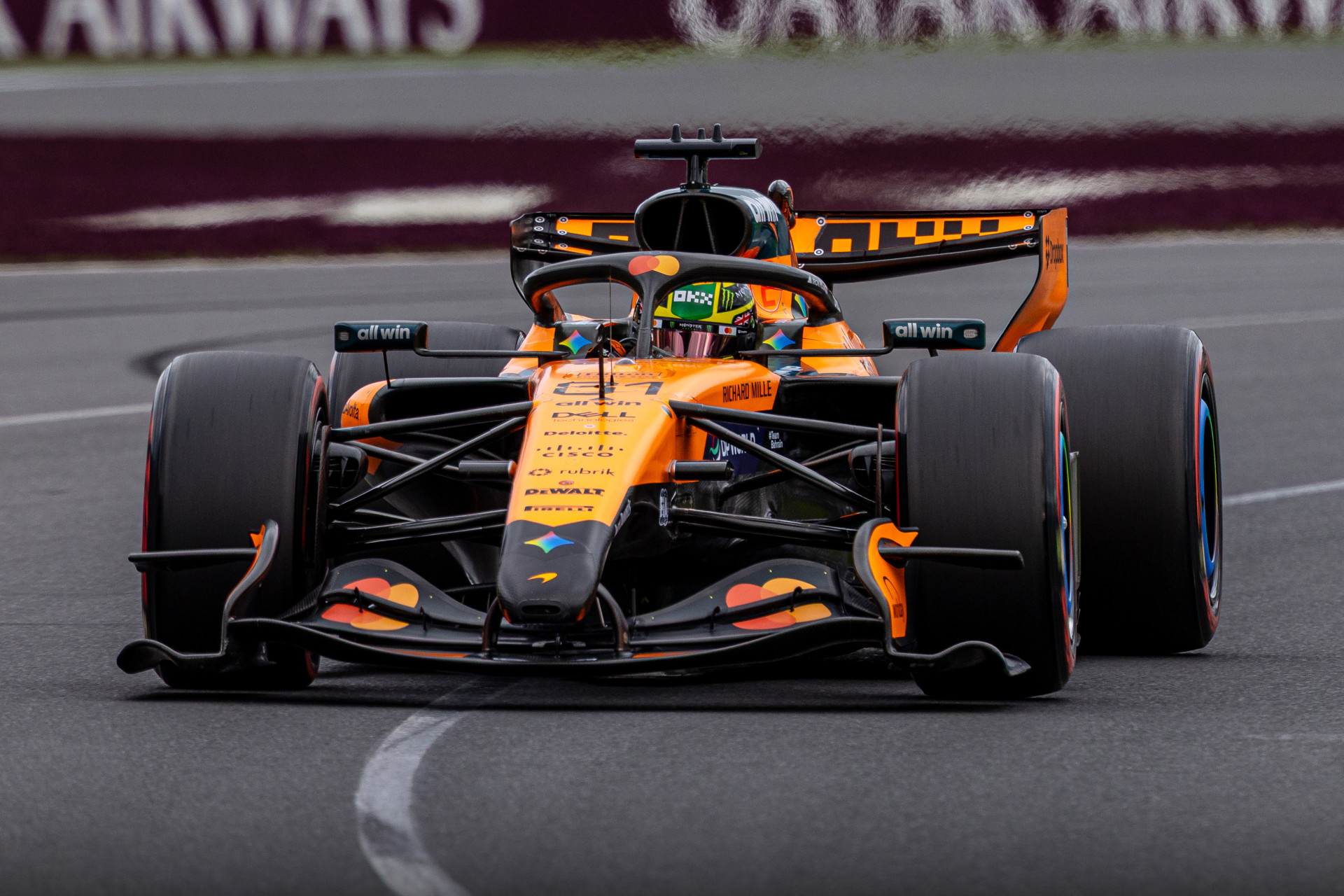
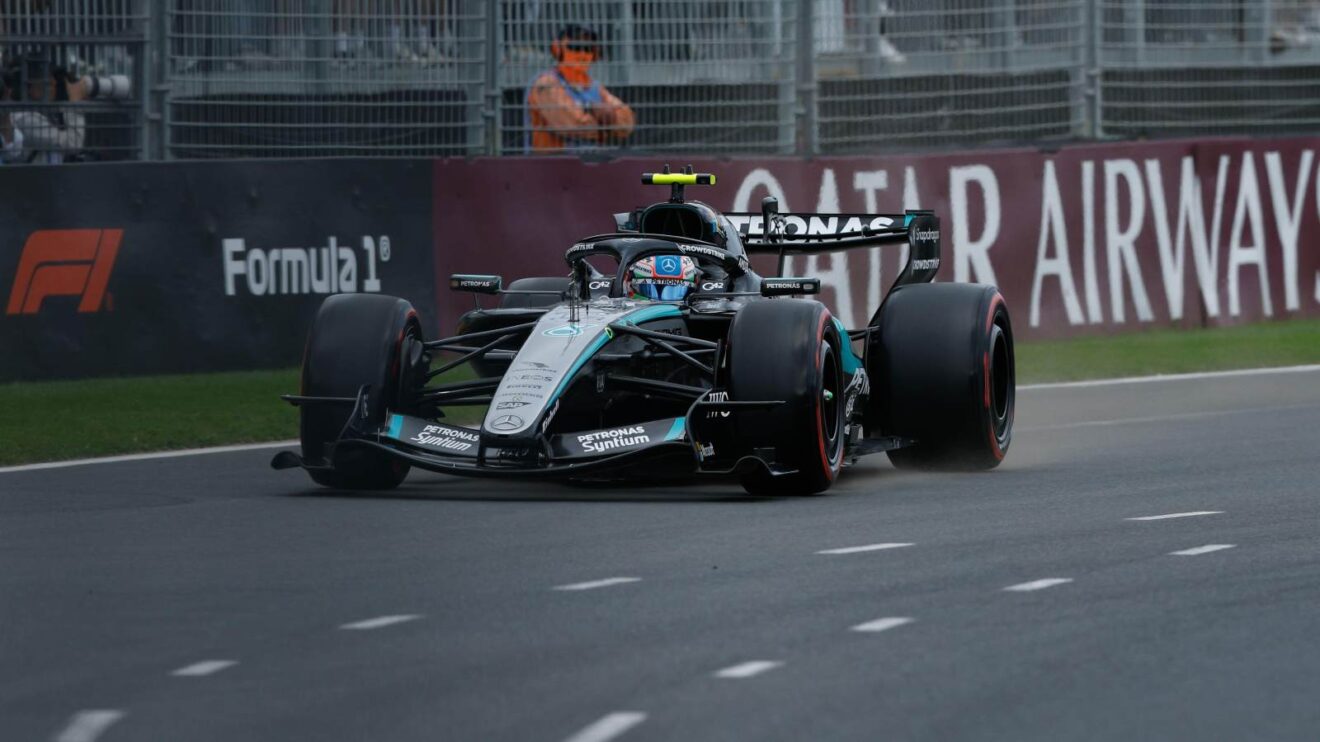
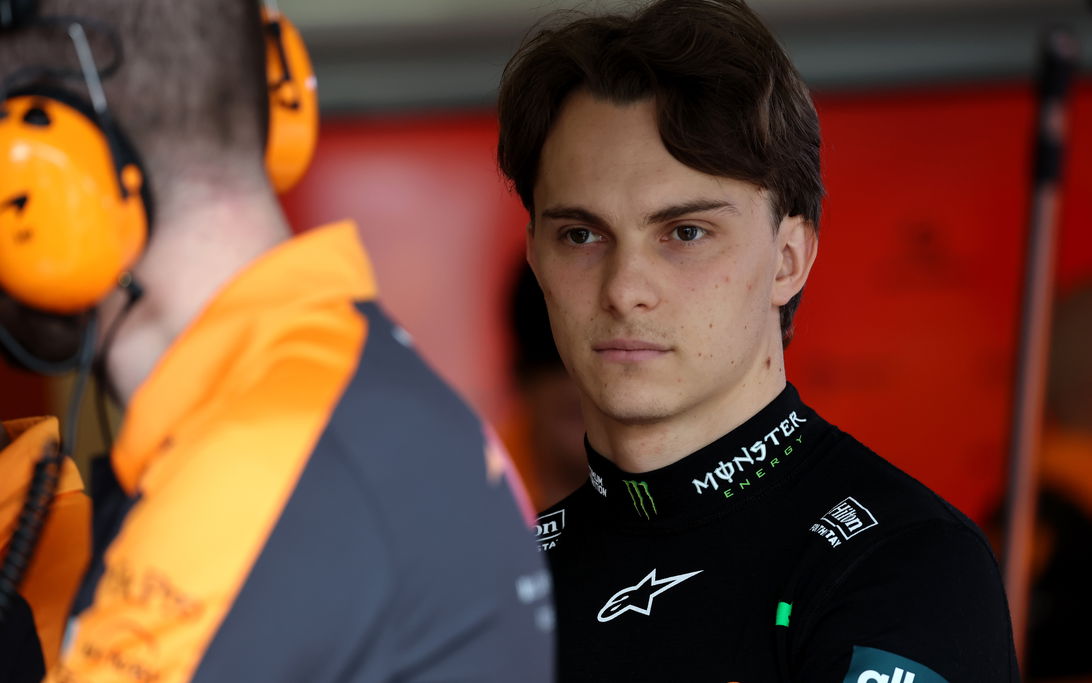
Oscar Piastri has highlighted a stark performance divide in Formula 1, attributing it to the sport's punishing energy management demands, after Mercedes dominated qualifying for the Australian Grand Prix. The McLaren driver, who will start fifth at his home race, finished over eight-tenths of a second behind pole-sitter George Russell, revealing a significant gap between teams using the same Mercedes power unit.
Why it matters:
The emerging 'category' split, as described by Piastri, strikes at the heart of Formula 1's competitive integrity and spectacle. If energy management dictates performance more than outright car speed or driver skill, it risks creating predictable, processional races and undermining the core engineering competition. This issue also exposes a potential flaw in the current power unit regulations, where identical hardware can yield vastly different results based on a car's ability to harvest and deploy energy efficiently.
The details:
- Mercedes delivered a crushing performance in Melbourne, locking out the front row with George Russell and Kimi Antonelli, while McLaren—a fellow Mercedes HPP customer—was left over 0.8 seconds adrift.
- Piastri identified straight-line speed and an inability to find performance gains through the qualifying session as the primary deficits for McLaren.
- The core issue is energy management. Drivers are forced into extreme fuel-saving measures, known as "lifting and coasting," and aggressive energy harvesting, or "super clipping."
- Piastri revealed his car performed two super clips during his lap, which can momentarily cut power by as much as 450 horsepower in certain corners, creating a massive challenge for driver consistency and lap time.
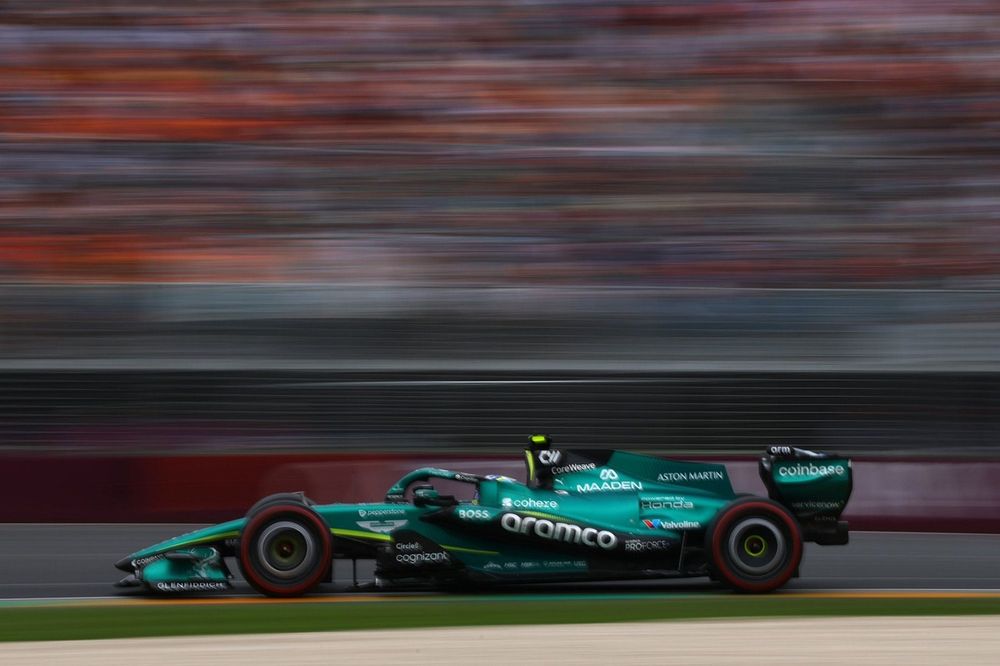
- The problem is most visible on circuits like Albert Park, which Piastri categorizes as "energy-starved." This creates a clear performance separation from tracks that are "energy-rich," where harvesting opportunities are greater.
What's next:
While Piastri expects the visible gap to lessen at different types of circuits, he is pessimistic about a fundamental fix, stating some issues "won't be very easy to fix." The situation puts immediate pressure on McLaren to understand and optimize its energy deployment software and chassis efficiency to close the gap to Mercedes. In the longer term, it may prompt discussions among teams and the FIA about whether the current energy management demands are achieving the intended balance between hybrid technology showcase and pure racing performance.
Original Article :https://racingnews365.com/oscar-piastri-raises-different-category-fear-as-f1-tru...