




Norris: Battery management is the 'biggest challenge' of F1's 2026 rules
Reigning World Champion Lando Norris has pinpointed mastering the complex battery and energy management of Formula 1's new 2026 cars as the single greatest challenge facing drivers, predicting it will lead to more chaotic and unpredictable racing. After experiencing the significantly increased electrical power in pre-season testing, Norris explained how strategic use and recovery of energy will dictate race strategy, overtaking, and even qualifying laps in the new era.
Why it matters:
The 2026 regulations represent the most significant technical shift in a generation, with a tripling of electrical power output to 350kW. How drivers and teams manage this potent but finite resource will become the central strategic battleground, potentially reshaping competitive hierarchies. Norris's insights from early testing suggest that races could feature dramatic yo-yoing in positions as drivers balance aggressive overtaking boosts with subsequent energy recovery phases, adding a new layer of complexity for competitors and unpredictability for fans.
The details:
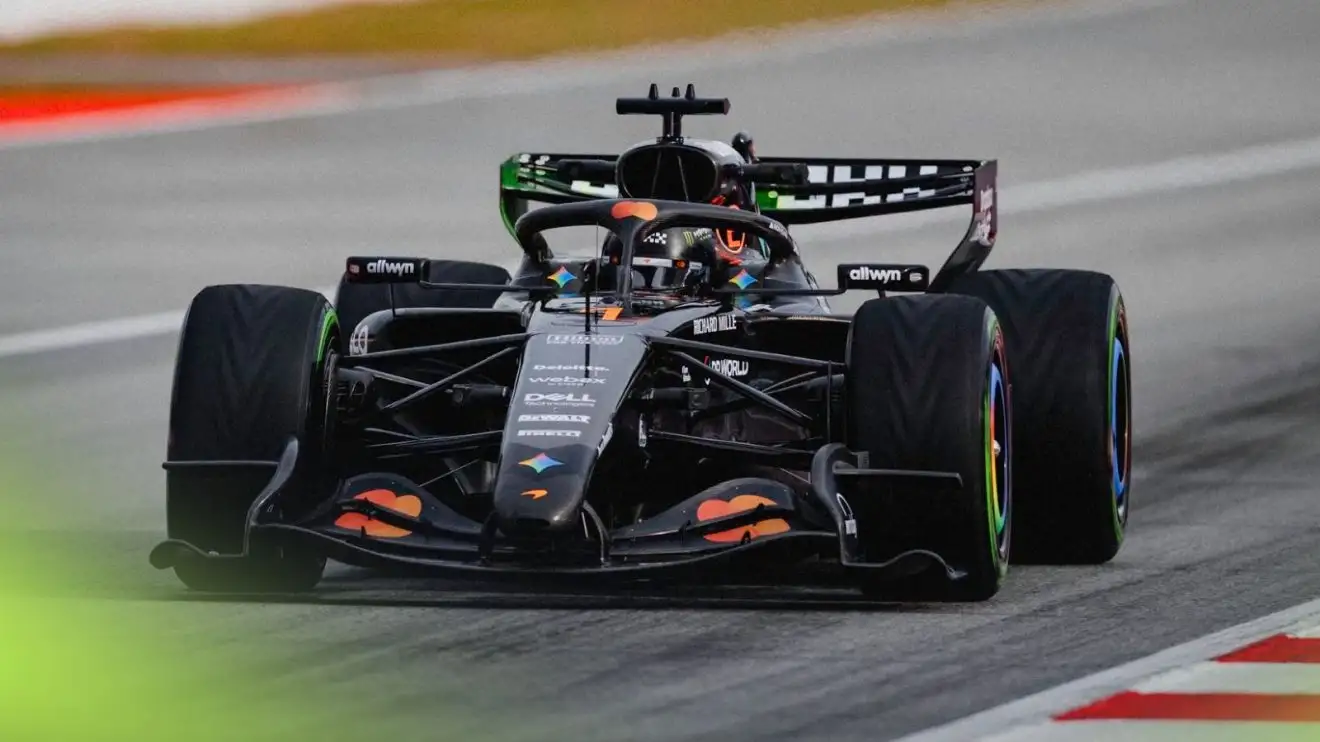
- A Tangible Power Increase: Norris confirmed the new McLaren MCL40 feels "more powerful," with acceleration forces providing a "shock to the system." He estimates that with full deployment, cars could reach speeds of around 380 kph on straights, but such unrestricted use would completely drain the battery.
- The Core Challenge: The primary difficulty is managing a "very powerful battery that doesn’t last very long." Drivers must learn the optimal times and amounts of energy to deploy around a lap, while also mastering the best techniques for harvesting energy back under braking and cornering.
- New Driving Techniques: To recover energy, drivers may need to adopt techniques like downshifting earlier or lifting and coasting on straights—actions contrary to a racer's instinct for maximum attack. Turbo lag, largely absent in recent years, has also returned as a factor.
- The Overtake Mode Wild Card: Replacing DRS, the new 'Overtake Mode' provides a substantial battery boost when within one second of a car ahead. Norris tested this in Barcelona, noting its immediate performance benefit is followed by a penalty: "once you use the boost button, how much that can hurt you on the next straight."
- Altered Cornering Demands: With less aerodynamic grip, corners that were flat-out in 2025 now require braking or lifting. Norris cited Barcelona's Turn 9 and the final corner as examples, which makes driver skill a bigger differentiator in more parts of the track.
Looking ahead:
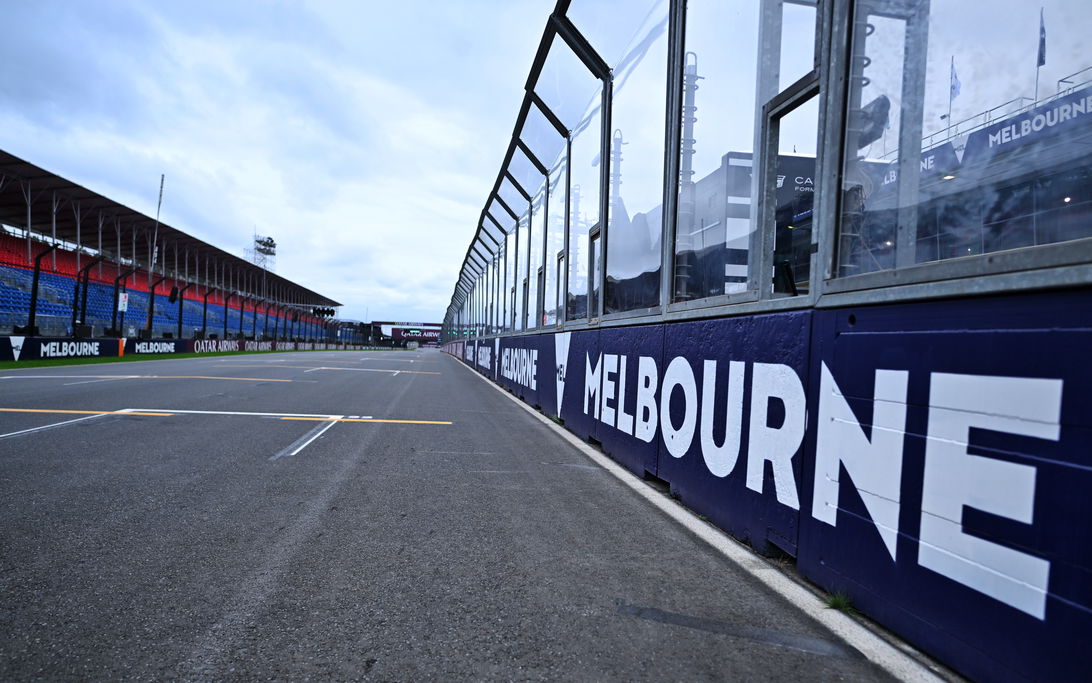
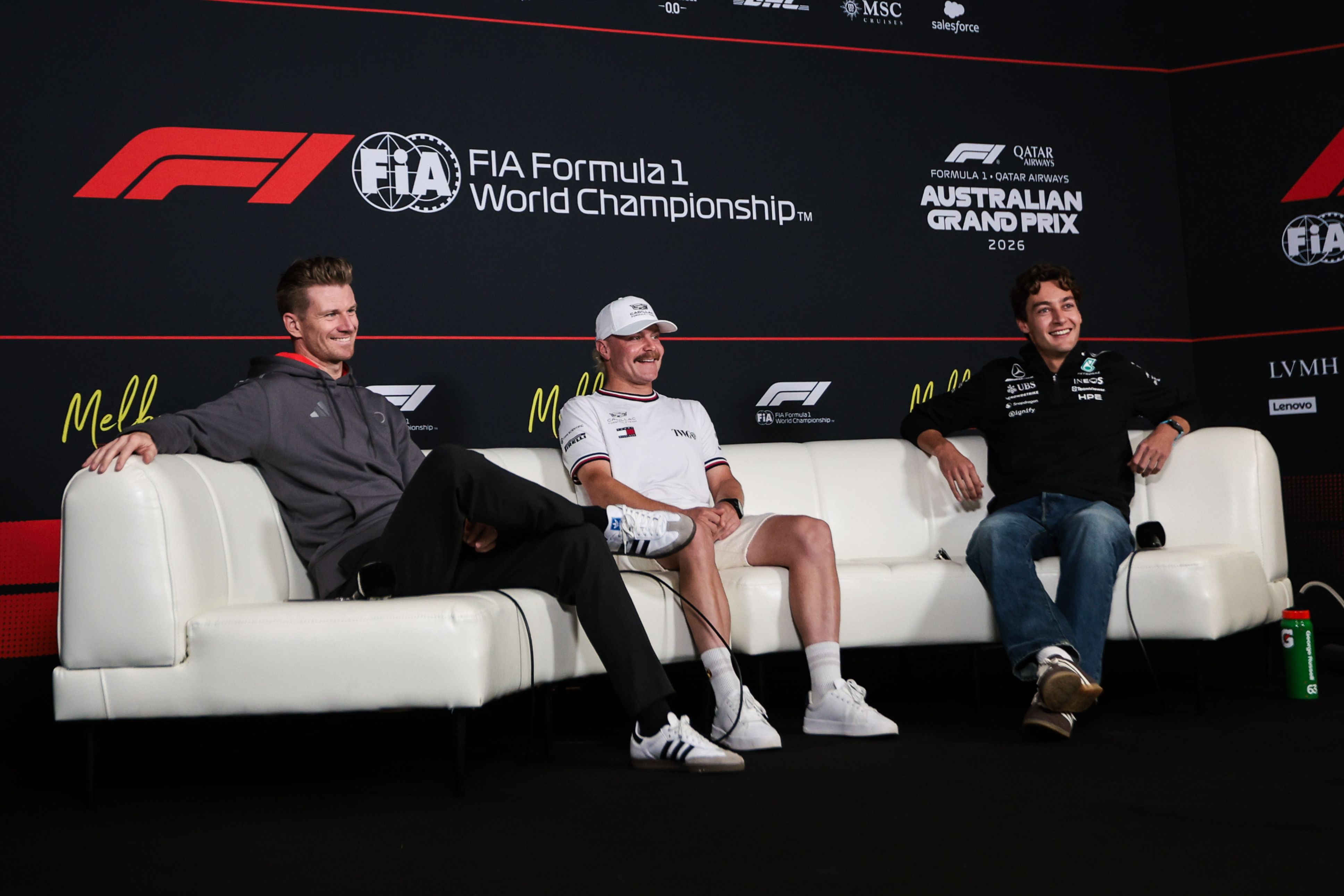
Norris anticipates that mastering these systems will be a continuous development process for both drivers and power unit manufacturers, with small efficiency gains offering major lap time benefits. He believes teams will be prepared for ideal conditions, but variables like weather, traffic, or yellow flags could create "abnormal conditions" that catch teams out, presenting opportunities. The true test of these new strategic and driving challenges will come under the pressure of race conditions at the season-opening Australian Grand Prix on March 8.
Original Article :https://www.planetf1.com/news/lando-norris-battery-biggest-challenge-f1-2026