




F1 Drivers Brace for Unprecedented 2026 Challenge as Season Kicks Off in Melbourne
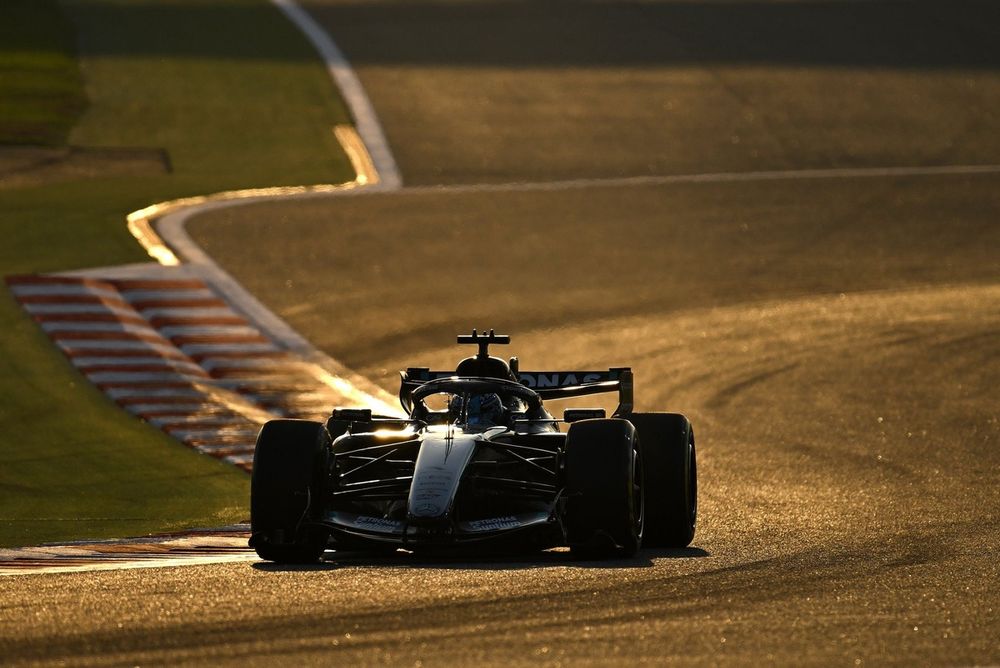
As Formula 1 embarks on its revolutionary 2026 season in Melbourne, drivers from across the grid are united by a sense of excitement and trepidation over the sport's most significant technical overhaul in years. While Mercedes and Ferrari project quiet confidence, the universal theme is one of massive unknowns, with mastering the new power units and energy deployment emerging as the defining challenge that could reshape the competitive order.
Why it matters:
The 2026 regulations represent the biggest technical reset in recent memory, fundamentally altering how drivers and teams approach every lap. Success this year will hinge less on raw car performance and more on which teams can quickest decipher the complex new energy management puzzle, potentially allowing new entrants or midfield teams to close the gap to the established frontrunners.
The details:
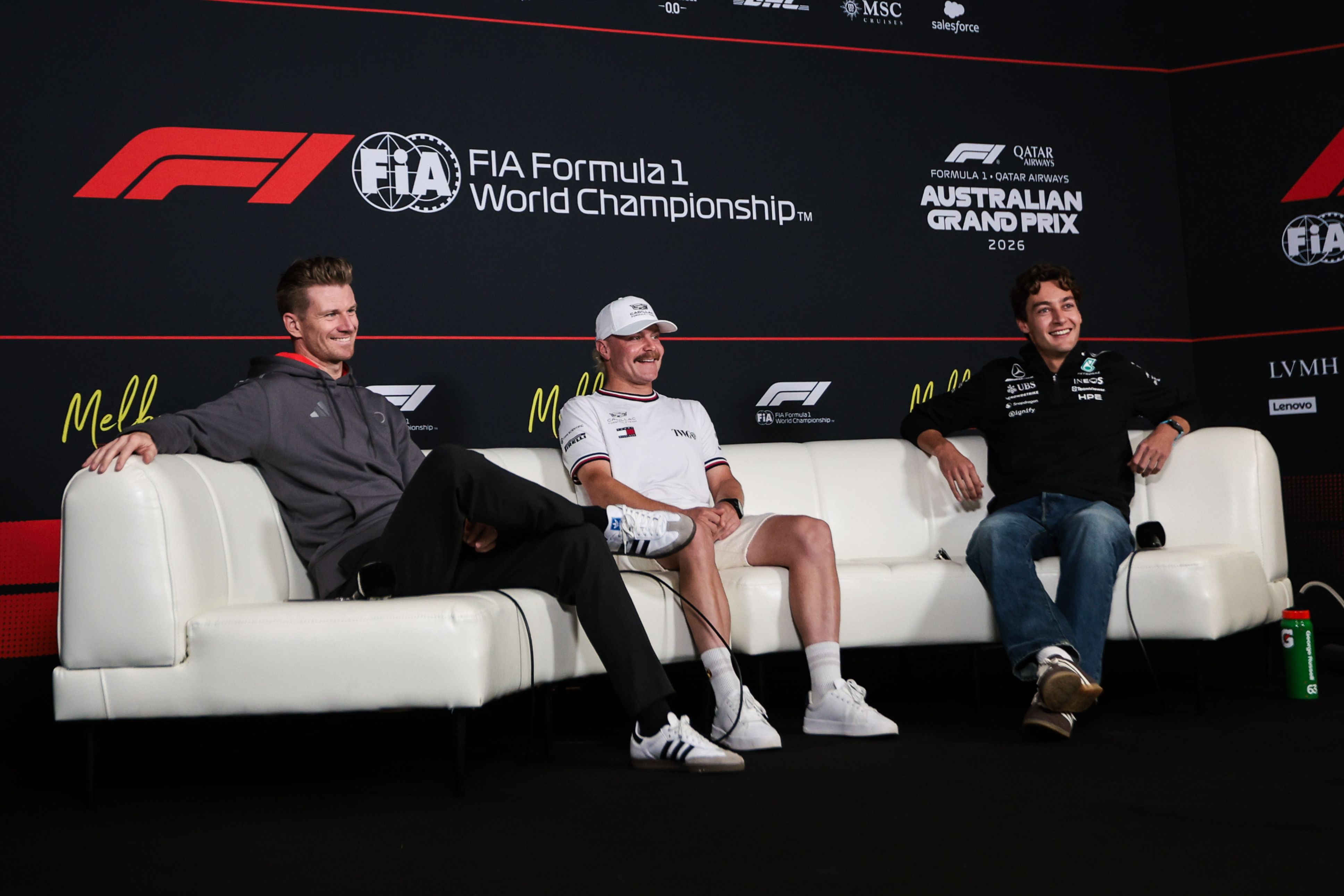
- Mercedes' Cautious Optimism: George Russell stated Mercedes has had its best pre-season in four years, with strong correlation and no major car worries. However, he emphasized that race starts, pit stops, and energy management are now "very complicated" and that Melbourne's result won't define the long 24-race season.
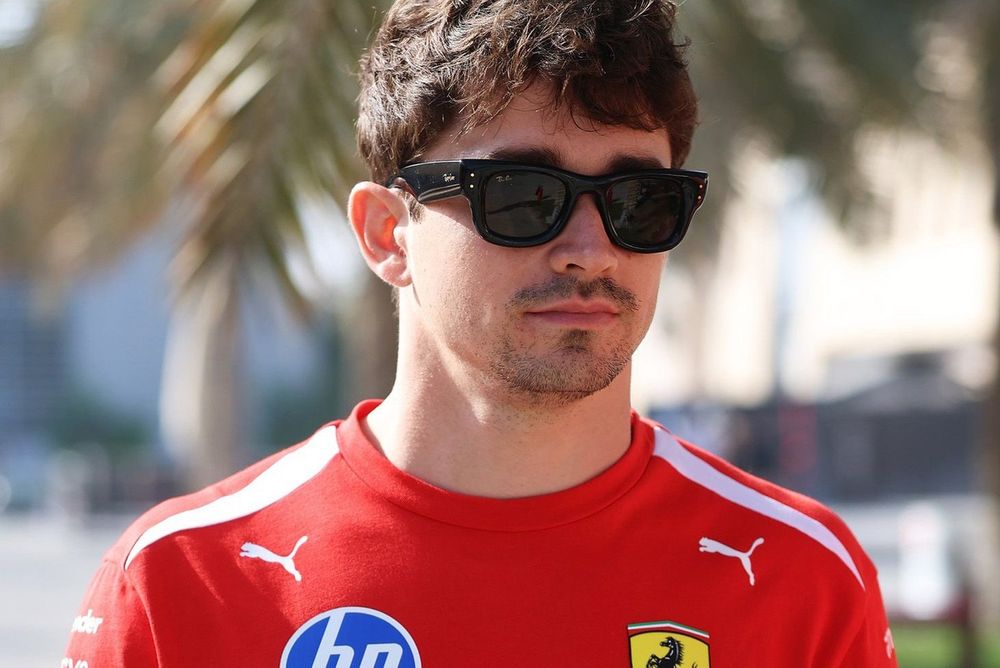
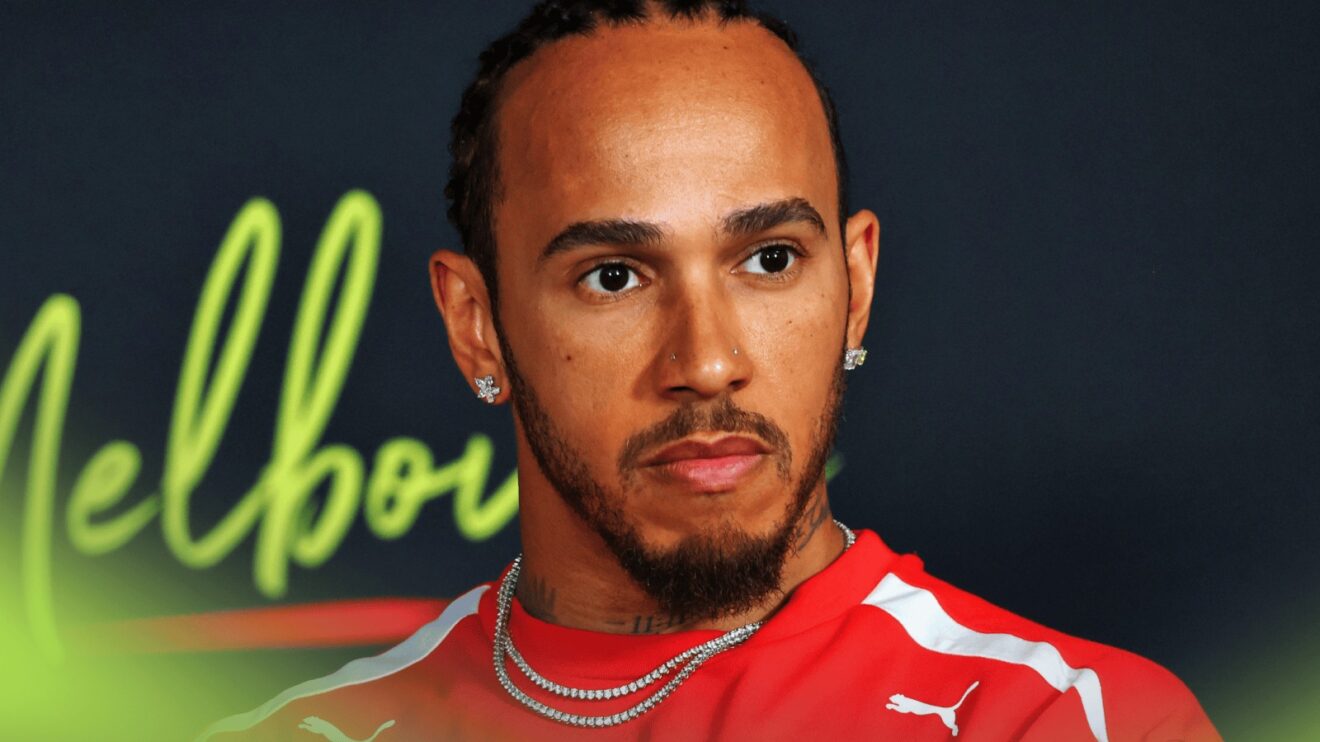
- Ferrari's Sharpened Focus: Lewis Hamilton, feeling "much happier" and more gelled with Ferrari in his second year, said the team is "sharp, prepared" and has learned from last season. He identified optimizing the tricky power unit deployment as the single biggest challenge, which can cost over a second per lap if mismanaged.
- New Team Journeys Begin: Valtteri Bottas (Cadillac) and Nico Hülkenberg (Audi) highlighted the unique challenge of building a team from scratch. Both emphasized progress over immediate results, with Bottas noting the hard work to simply be on the grid and Hülkenberg acknowledging significant room for improvement, especially on the power unit side.
- McLaren's Realistic Outlook: Hometown hopeful Oscar Piastri tempered expectations, suggesting McLaren may be slightly behind Mercedes and Ferrari initially. He confirmed the new regulations make the power unit the dominant factor in car setup and driving style, requiring non-intuitive techniques.
- The Rookie's Perspective: Arvid Lindblad, the grid's sole rookie with Racing Bulls, described the step up as "a lot busier" and is focused on learning the new energy management techniques, which he says now outweigh the simple act of driving flat-out.
What's next:
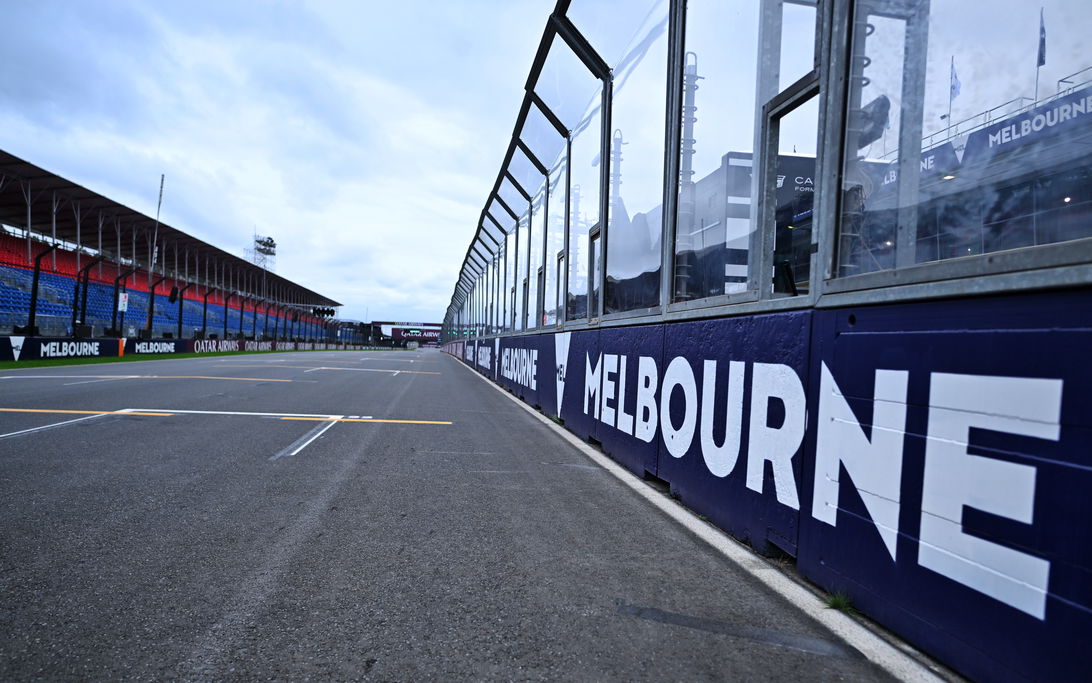
The true competitive picture will only start to develop this weekend in Melbourne, a track with characteristics vastly different from pre-season testing in Bahrain and Barcelona. All drivers agree the learning curve will be historically steep, with each Grand Prix acting as a fresh test of their evolving understanding of the 2026 cars. The team and driver who can most quickly turn these complex procedures into second nature will seize the early initiative in a season destined for unpredictability.
Original Article :https://www.fia.com/news/f1-2026-australian-grand-prix-thursday-press-conference...