




Ocon skeptical of 2026 'Overtake Mode' power, calling it 'quite difficult' for passing
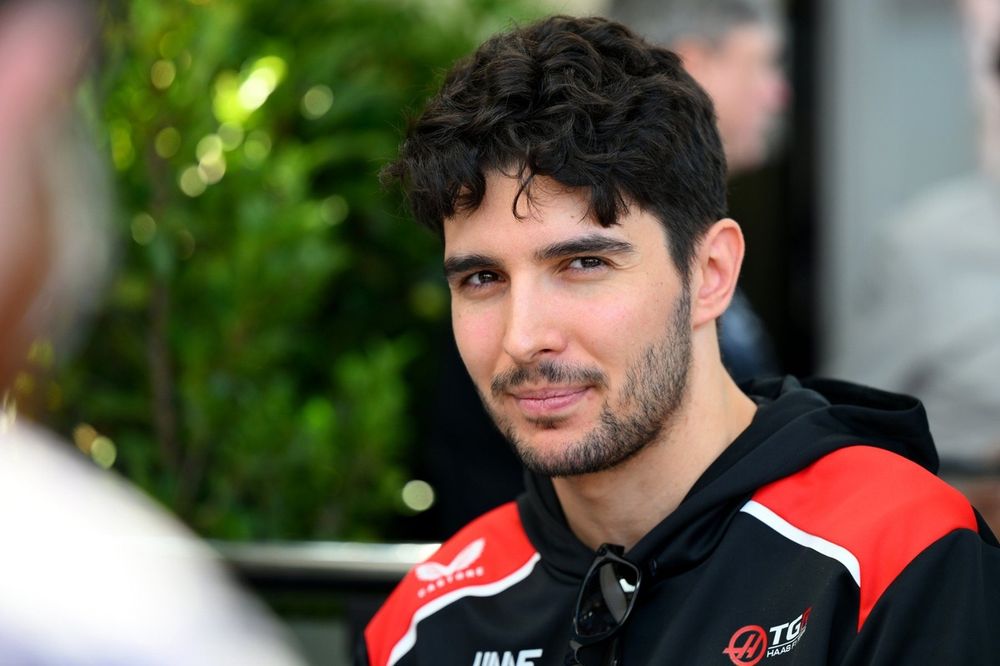
Esteban Ocon has expressed skepticism about the overtaking potential under Formula 1's 2026 regulations, suggesting the new 'Overtake Mode' appears to offer only a marginal gain compared to the outgoing DRS system. The Haas driver's early assessment, based on simulator work, indicates passing could be a significant challenge with the new power-focused system replacing the drag-reduction approach.
Why it matters:
The 2026 regulations represent a fundamental shift in how drivers will attack and defend on track. If the new Overtake Mode—which trades pure drag reduction for a burst of electrical energy—proves less effective than DRS, it could fundamentally alter race strategies and the spectacle of wheel-to-wheel combat. Ocon's concerns highlight the critical balancing act F1 faces between technological innovation and preserving the on-track action fans expect.
The details:
- The 2026 Overtake Mode replaces DRS, deploying an extra 0.5MJ of electrical energy to boost power when a driver is within one second of the car ahead at a designated detection point.
- Ocon estimates the new mode offers a gain of only about one-tenth of a second per lap, a stark contrast to the six-to-seven-tenths advantage typically provided by DRS in recent seasons.
- He attributes the perceived performance gap to the fundamental difference between the systems: DRS created speed by drastically reducing drag, while Overtake Mode adds speed through a temporary power increase, which he implies is less potent for overtaking.
- The Frenchman noted that energy management at Albert Park, the simulated 2026 season opener, is particularly complex, making it a stern early test for the new rules package.
What's next:
The true effectiveness of the 2026 overtaking tools remains theoretical until teams hit the track with real cars. Ocon himself acknowledged the simulator assessment might not reflect race reality, leaving room for the actual racing dynamic to surprise. All teams and drivers face a steep learning curve to optimize energy deployment and active aerodynamics within the new framework, with the Australian Grand Prix on March 8, 2026, set to provide the first real-world answers.
Original Article :https://www.motorsport.com/f1/news/esteban-ocon-claims-overtakes-look-quite-diff...