


Mercedes' Early 2026 F1 Dominance Explained by More Than Just Power
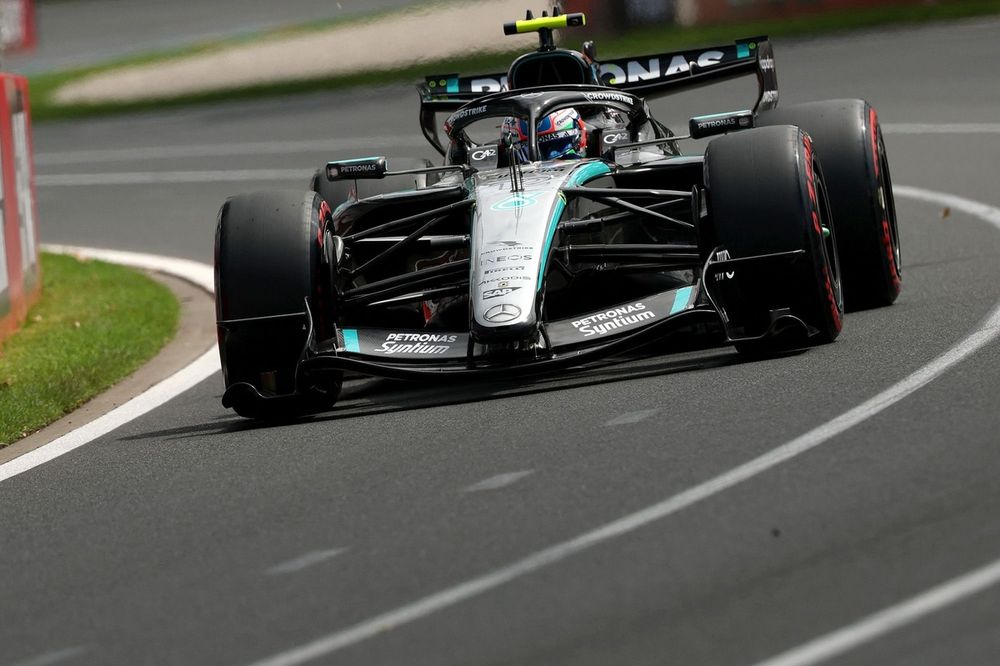
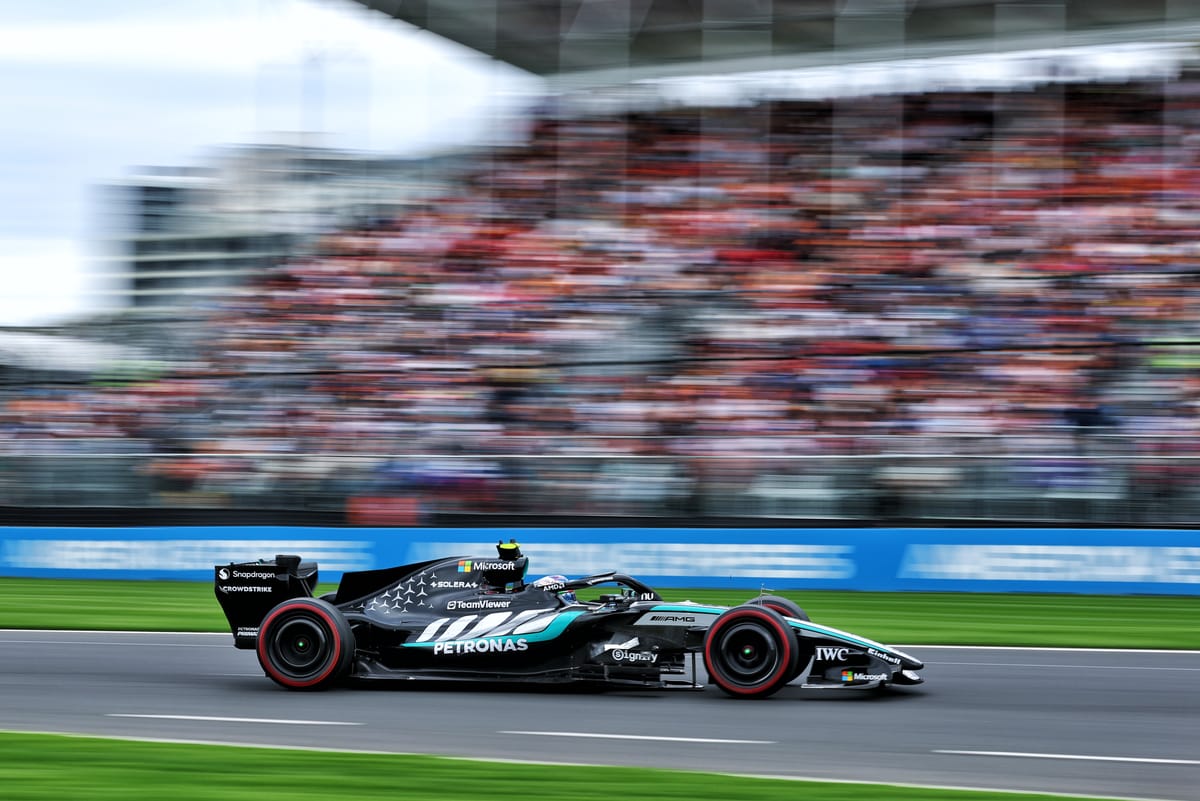
Mercedes has established a commanding early advantage in the 2026 Formula 1 season, with George Russell securing a dominant pole position in Bahrain by nearly eight-tenths of a second. This supremacy stems not just from a powerful engine but from a superior chassis and, most critically, a masterful understanding of the new energy management regulations that have become the defining performance differentiator.
Why it matters:
The 2026 season has introduced a complex new set of technical and strategic challenges, creating what McLaren's Andrea Stella calls a "new language" for teams to learn. Mercedes' ability to decode this language first gives it a potentially decisive head start. This advantage highlights a growing performance gap between works teams and their customers, even when using identical power units, which could shape the competitive order for the foreseeable future.
The Details:
- A Comprehensive Package: While George Russell acknowledged the team's "great engine," he emphasized that the W17's excellent chassis has been underrated. Data shows the car is strong in corners, but its straight-line speed advantage is overwhelming.
- The Deployment Decoder: The core of Mercedes' edge lies in optimizing energy deployment. Analysis of Russell's pole lap versus top rivals shows the majority of time gained—between 73% and 92% for competitors—occurred on long, full-throttle sections like the back straight, where energy management is crucial.
- Customer Team Disadvantage: McLaren, using the same Mercedes power unit, was stunned by its straight-line deficit. Team Principal Andrea Stella clarified this isn't due to hardware but to "learning about the hardware and identifying the best way to exploit it." The works team's deeper integration and preparation have yielded a significant head start in understanding the optimal energy strategy.
- Strategic Subtleties: Small differences in approach, like how much to lift and coast before a corner to preserve battery charge, have massive lap-time consequences. Stella admitted McLaren was lifting three times a lap and effectively had "450 horsepower less" in some corners due to energy management compromises.
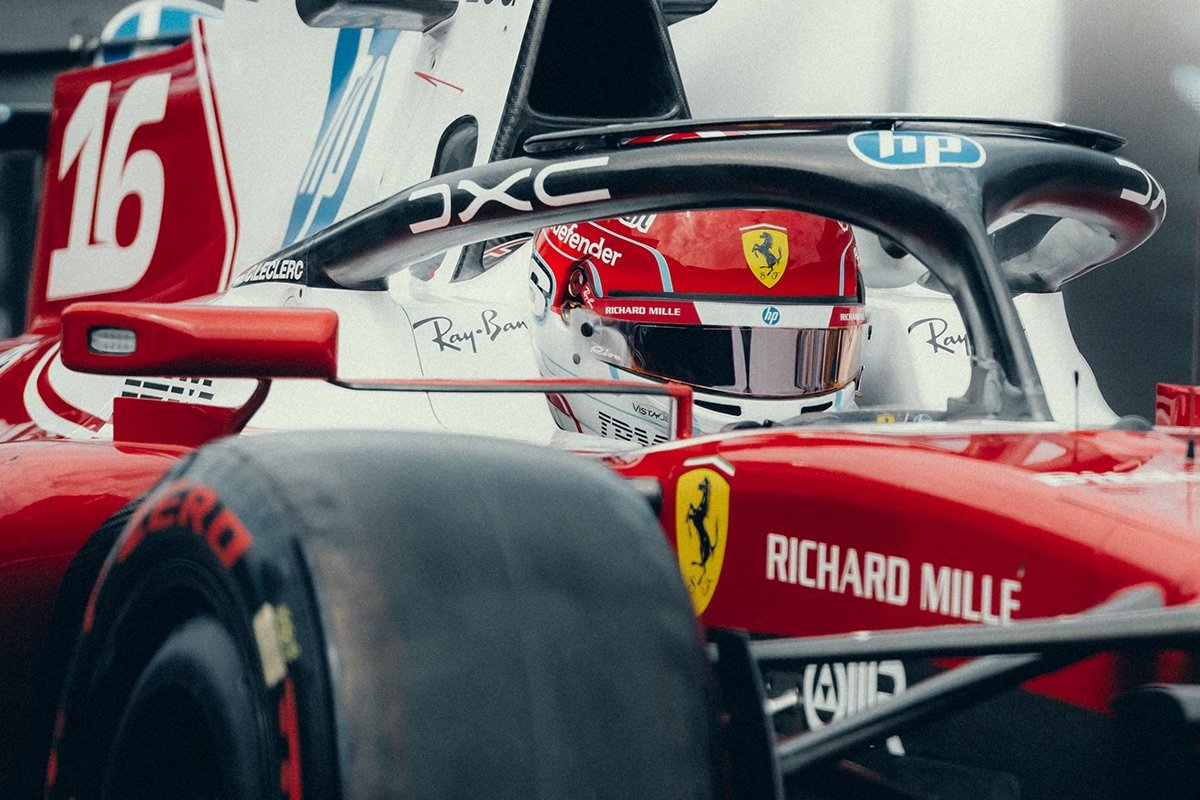
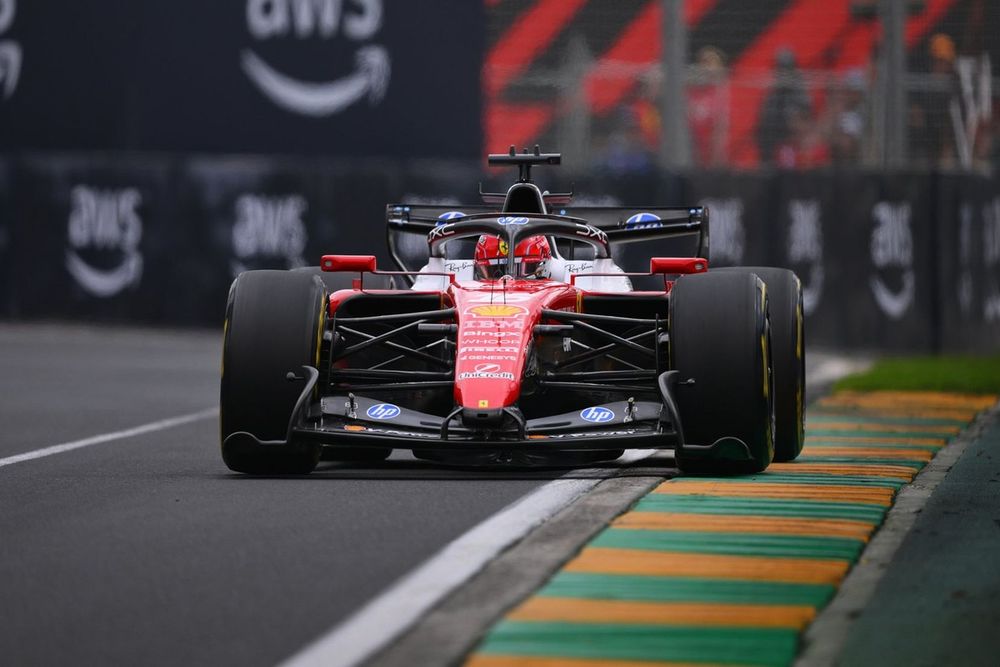
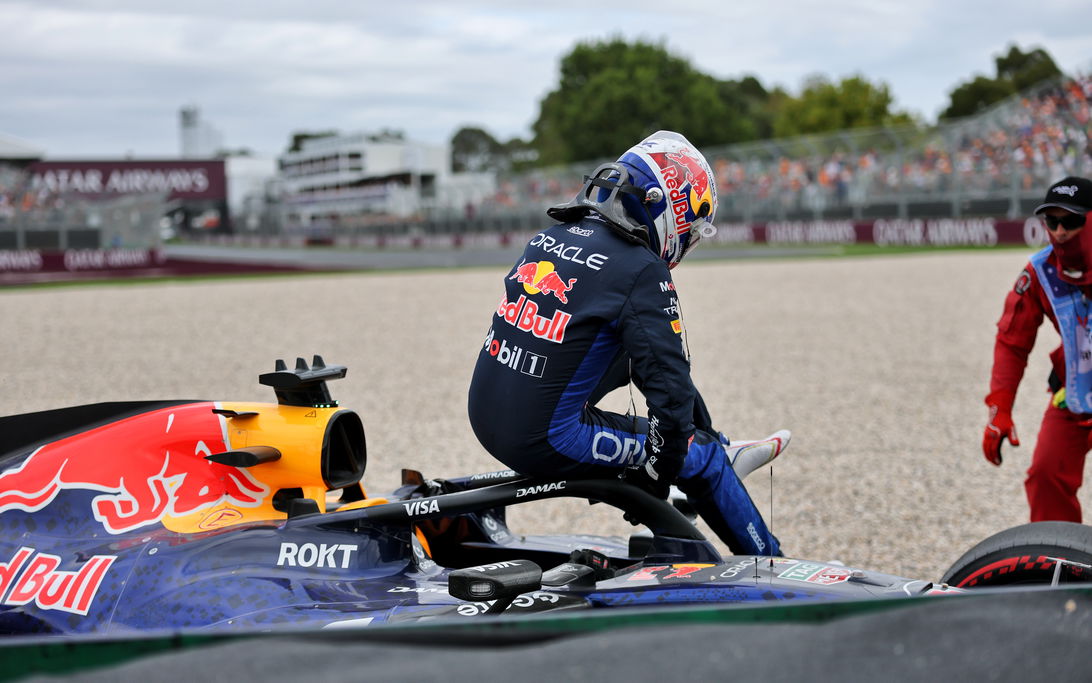
- Rivals' Struggles: Ferrari faced deployment issues and a slight turbo disadvantage on this circuit, while Red Bull showed strength in high-speed corners but couldn't match Mercedes' energy deployment regime.
What's next:
Mercedes' current supremacy, validated by strong long-run pace, makes it the clear favorite for the season opener. However, the central question is how long this advantage will last.
- The Learning Curve: As Stella noted, qualifying provided the first true reference for customer teams like McLaren. They now have clear data to begin closing the knowledge gap in energy management, which should reduce the performance disparity over time.
- A Dual Challenge for McLaren: Stella outlined two clear objectives: work with engine partner HPP to extract more from the power unit, and improve the car's aerodynamic performance to gain time in the corners where Mercedes also holds an edge.
- The True Competitive Picture: The overwhelming influence of energy management is expected to diminish as all teams climb the learning curve. This should eventually allow the underlying car characteristics and driver skill to play a more defining role in the championship battle.
Original Article :https://www.the-race.com/formula-1/what-explains-mercedes-big-early-2026-f1-adva...
