





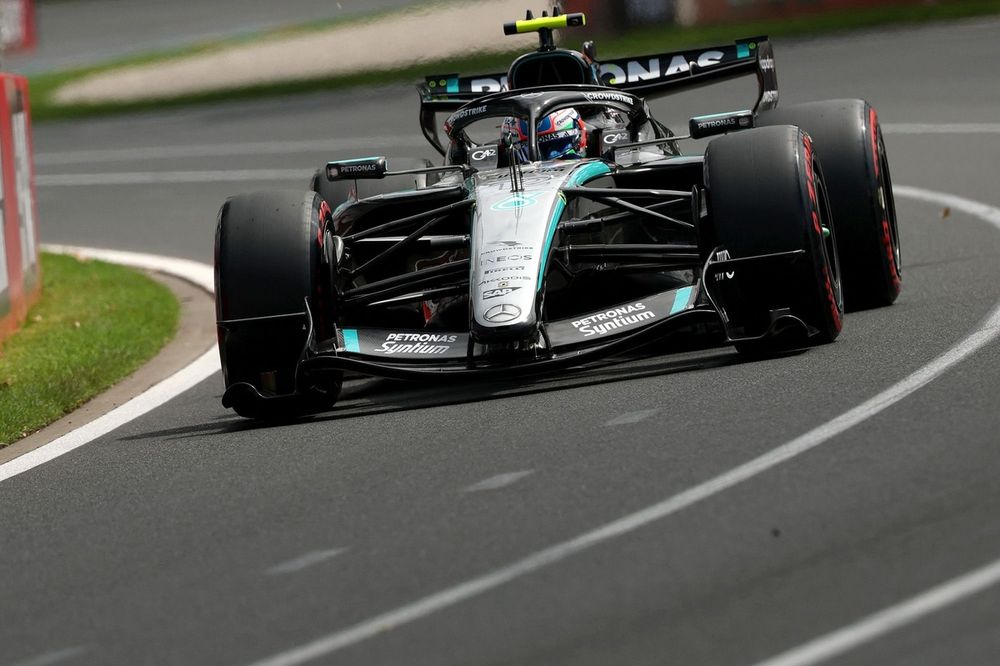
McLaren analyzes Mercedes' advantage after Australian GP qualifying
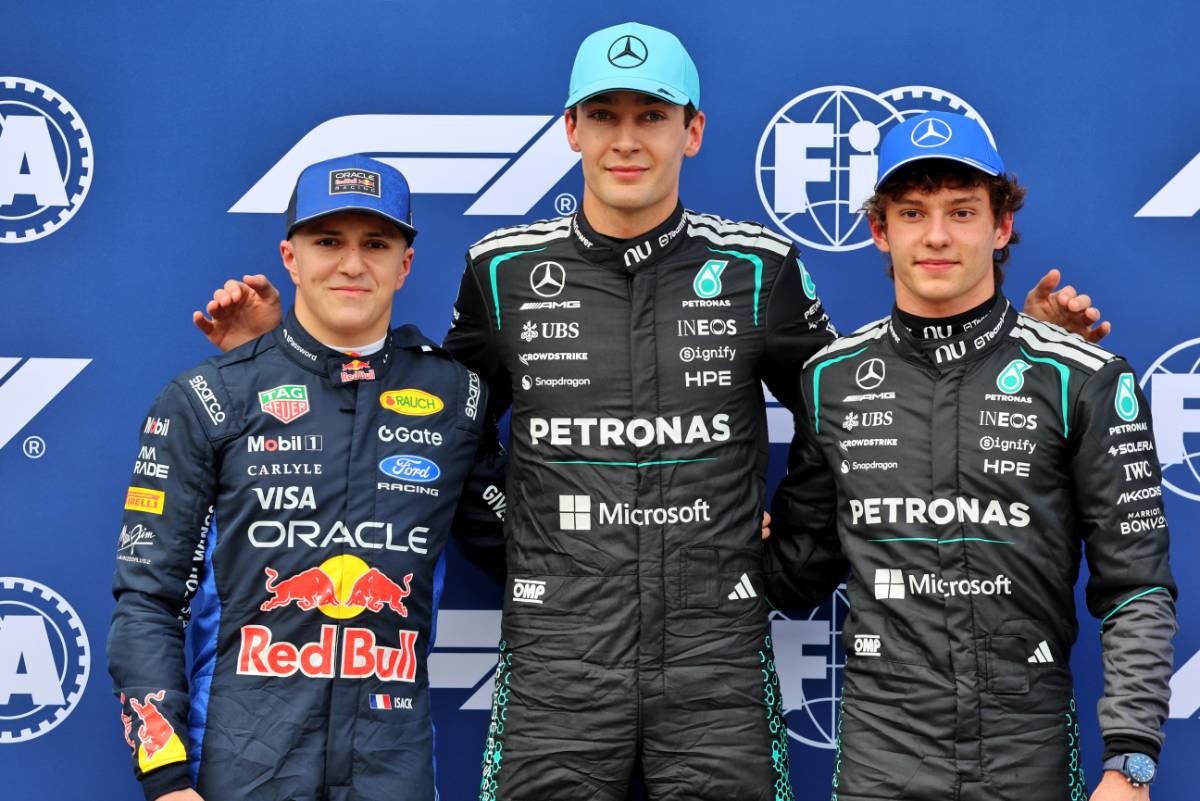
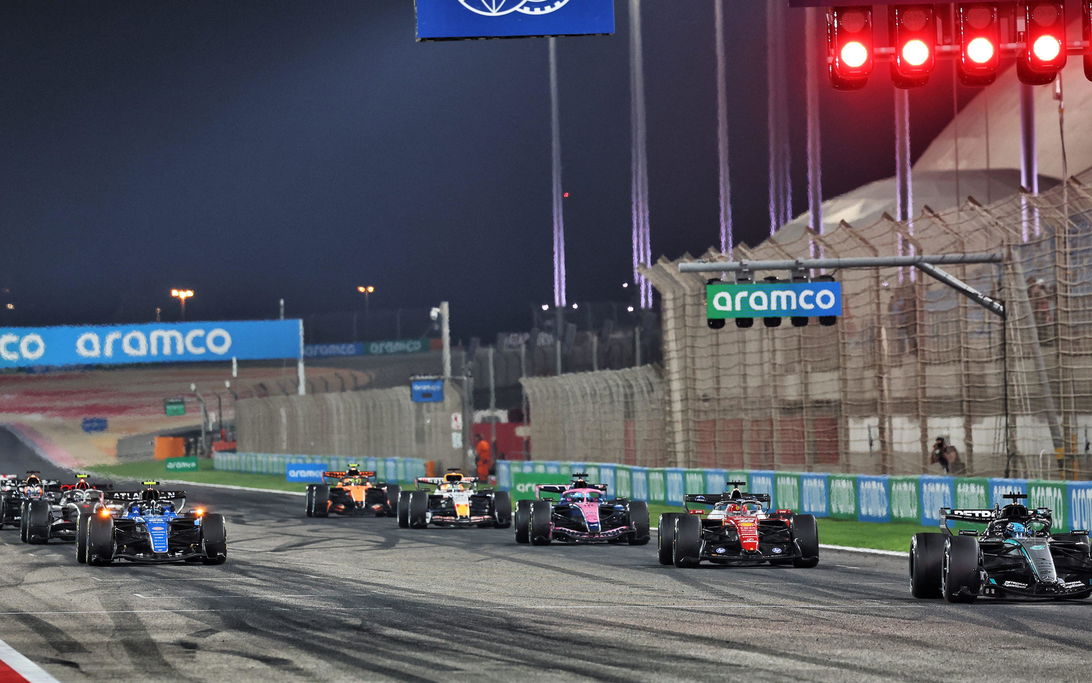
McLaren has gained crucial insights into Mercedes' dominant performance after analyzing GPS data from Australian Grand Prix qualifying, where the Silver Arrows secured a front-row lockout with a significant margin. Team principal Andrea Stella identified that Mercedes' advantage stems not only from superior power unit deployment but also from better cornering performance and aerodynamic grip, presenting a multifaceted challenge for the customer team.
Why it matters:
The 2026 season's competitive hierarchy is beginning to crystallize, and Mercedes' comprehensive performance edge—extending beyond just engine power—sets a daunting benchmark. For customer teams like McLaren, understanding this gap is the first critical step in mounting a development response to close it, as the season's development race intensifies.
The details:
- The Data Gap: Analysis of GPS traces comparing George Russell's pole lap to those of McLaren's Oscar Piastri and Lando Norris revealed a key disparity in the high-speed sequence from Turn 6 to Turn 9. Russell maintained a speed advantage of over 20 km/h at points, translating to more than three-tenths of a second.
- Root Cause: The straight-line speed advantage is a symptom, not the core issue. Stella explained that Mercedes excels at managing the car's energy state through the preceding corners, arriving at Turn 6 with the battery optimally charged for maximum deployment, all while being faster in the corners themselves.
- A Dual Challenge: Stella outlined two clear areas for McLaren: working with Mercedes HPP to better exploit the power unit's potential through software and driving techniques, and improving the car's aerodynamic performance to gain cornering speed.
- The Cold Factor: Stella noted a potential correlation between power unit performance and tire temperature in Melbourne's cool conditions. When the team extracted more from the engine, the car also seemed to perform better in corners, possibly because the tires stayed in their optimal operating window.
What's next:
McLaren now has a defined roadmap, targeting both powertrain optimization and aerodynamic upgrades. Stella's analysis suggests Mercedes' advantage is deeply integrated, making the task complex but not insurmountable. With a long season and rapid development expected, the true test will be how quickly McLaren and other rivals can translate these lessons into tangible performance gains on track.
categories: [
Original Article :https://www.motorsport.com/f1/news/mclaren-theory-mercedes-concerning-australia-...