


F1's 2026 Regulations Under Fire: Drivers Decry 'Anti-Racing' Cars After Melbourne Qualifying
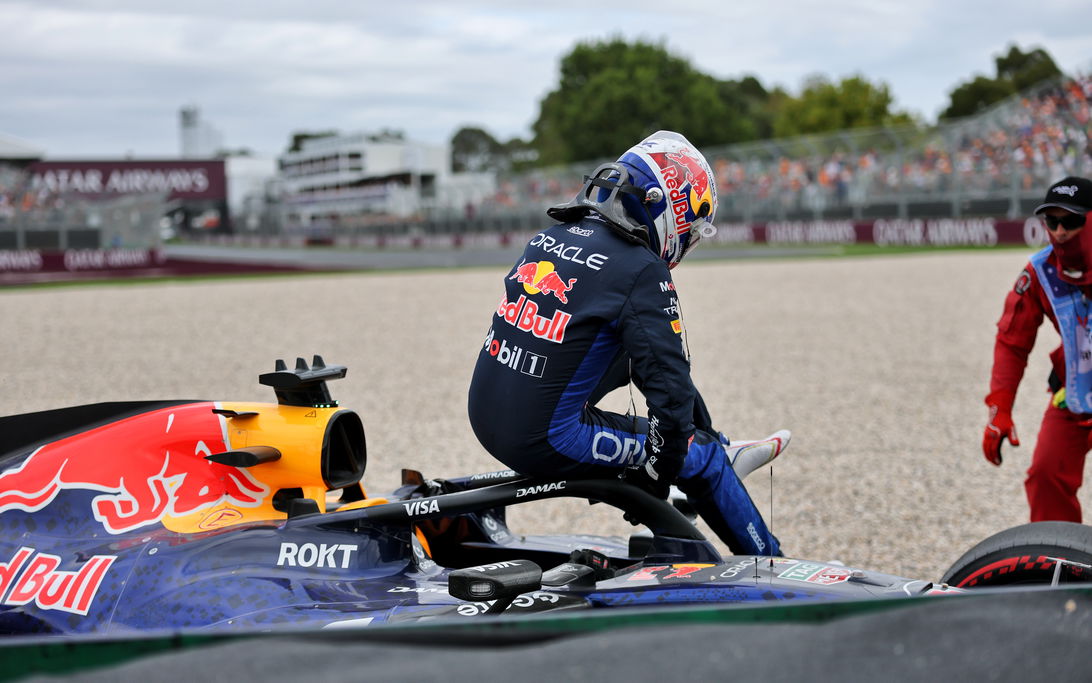
The 2026 Formula 1 regulations have faced a brutal and unified critique from the sport's top drivers following the first competitive session of the new era in Australia. Max Verstappen, Lando Norris, and Carlos Sainz were among those labeling the cars as fundamentally flawed, unenjoyable to drive, and detrimental to pure racing, casting a dark cloud over the sport's future direction.
Why it matters:
The immediate and vehement criticism from the grid's stars threatens the core spectacle of F1 at a critical juncture. If the pinnacle of motorsport is no longer seen as a pure, flat-out driving challenge by its own competitors, it risks alienating its fanbase and undermining years of growth. The core issue—a power unit formula that forces excessive energy management over outright speed—appears baked into the homologated regulations for the next five seasons, leaving limited room for a quick fix.
The Details:
The backlash centers on the 2026 power unit's mandated 50/50 split between internal combustion and electrical energy, which drivers say cripples the racing experience.
- Driver Verdicts: Max Verstappen stated he is "definitely not having fun, at all" and called the formula "not correct." Lando Norris, initially more optimistic, conceded the cars are "probably the worst" F1 has ever made and that the 50/50 split "just doesn't work." Carlos Sainz confirmed "no one is happy" with the fundamental issues.
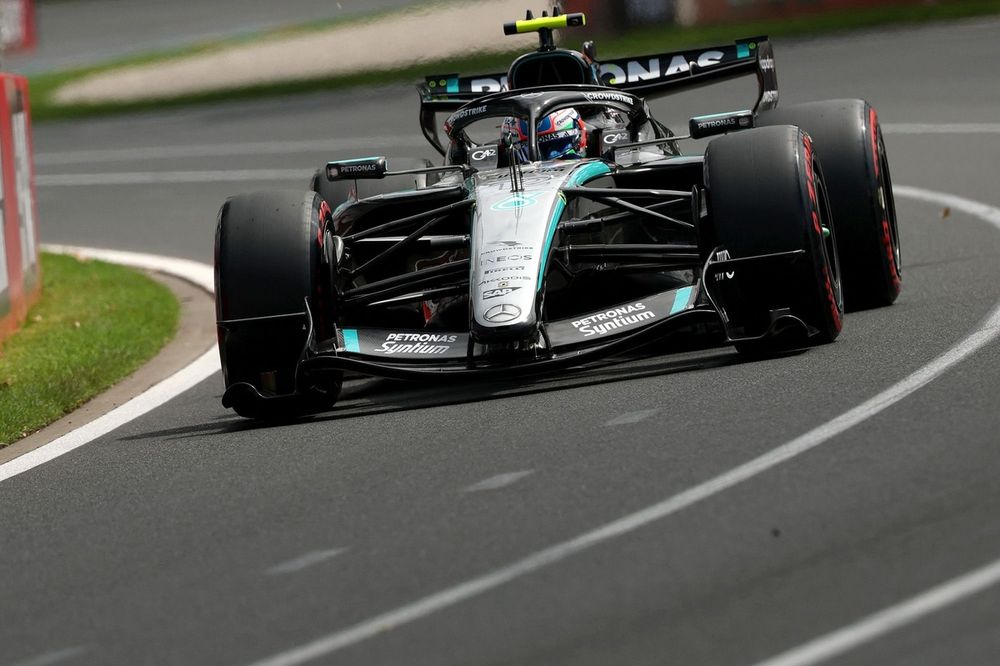
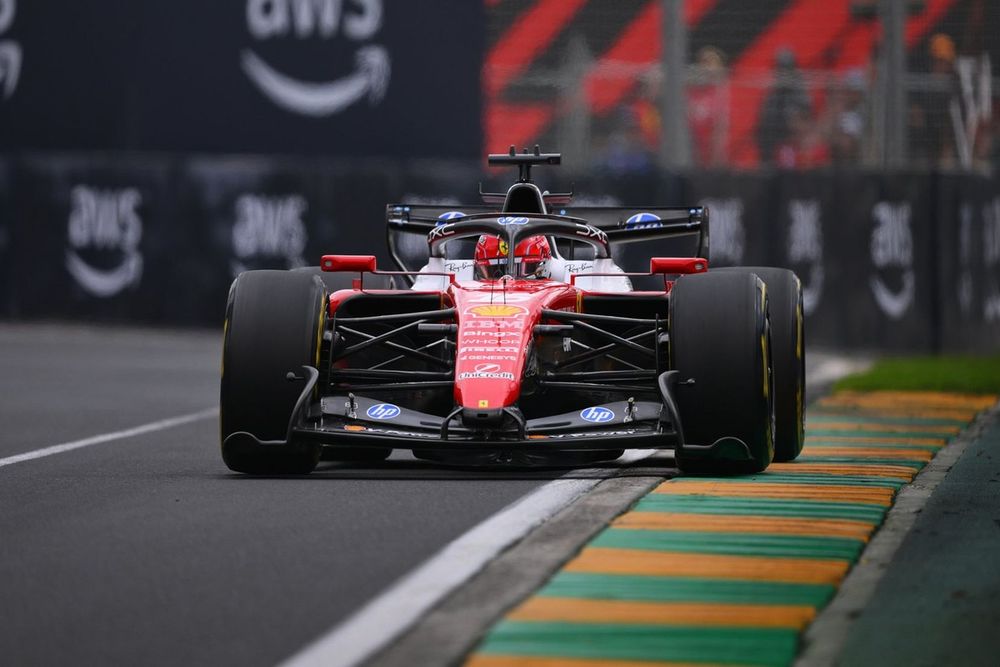
- The On-Track Reality: The major flaw manifests as severe "lift-and-coast" driving, even on qualifying laps. Cars rapidly deplete their electrical energy mid-straight, forcing drivers to lift off the throttle to harvest more, bleeding speed and turning visceral laps into exercises in resource management.
- A Design Conundrum: The problem stems from the power unit regulations being set before the chassis rules. Engineers were forced to design cars around complex, energy-starved PUs, leading to what Christian Horner previously warned could be "Frankenstein cars." The removal of the MGU-H, a key energy recovery component, has exacerbated the energy shortage.
- A Silver Lining?: Some, like George Russell, suggest drivers will adapt and that Melbourne—a track with few energy-harvesting opportunities—may be a worst-case scenario. He noted the FIA is aware and likely to make changes.
What's next:
With the power units homologated until 2030, the path to improvement is narrow and fraught with compromise.
- Limited Fixes: Operational improvements and strategic use of "super clipping" (harvesting energy at full throttle) may offer minor relief at certain tracks, but Oscar Piastri notes these are complex workarounds, not solutions to the fundamental energy starvation.
- Potential Radical Solutions: Suggestions include scrapping development freezes to allow a PU technology war, or reintroducing front-axle regeneration, though both risk adding cost and complexity. FIA President Mohammed Ben Sulayem reportedly explored last-minute formula changes six months ago, but it was too late.
- The Bigger Picture: The regulations succeeded in attracting manufacturers like Audi but may have sacrificed the sporting product. The core tension now is whether keeping OEMs happy is worth potentially hemorrhaging fan interest. The widespread driver discontent increases pressure on the FIA and FOM to find a viable mid-cycle adjustment before the sport's momentum is lost.
Original Article :https://www.planetf1.com/news/opinion-f1-flawed-2026-regulations-risk-draining-t...