







Mercedes and Ferrari Pinpoint Early Missteps in Ground Effect Era
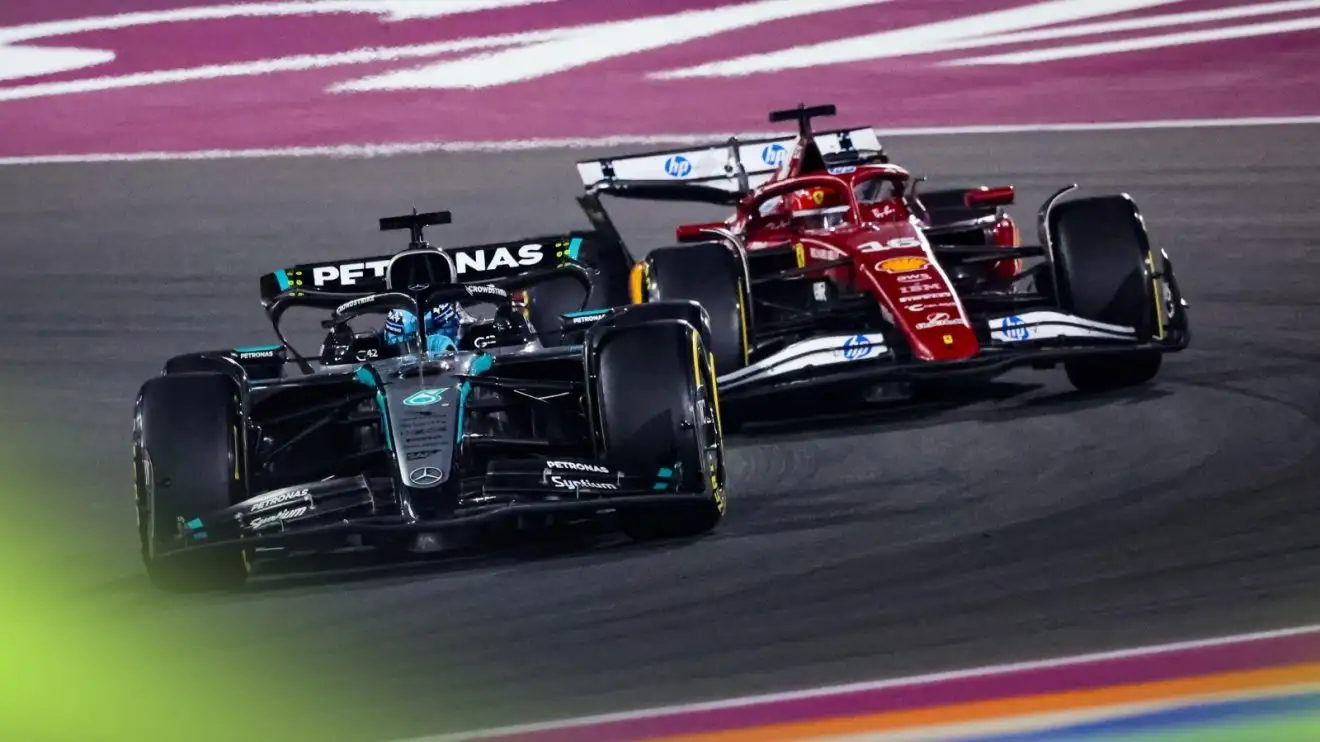
As Formula 1's ground effect era concludes, drivers George Russell and Charles Leclerc have reflected on why Mercedes and Ferrari failed to mount a serious title challenge. Both drivers pointed to early missteps, particularly with porpoising in 2022, which allowed Red Bull and later McLaren to establish a dominant advantage that their teams could never fully overcome.
Why it matters:
The inability of two of F1's most storied and resource-rich teams to compete for championships over a four-year period highlights the fine margins of success in modern F1. Their struggles underscore the critical importance of nailing the initial interpretation of new regulations, as an early deficit can create a nearly insurmountable gap. With a massive rules overhaul coming in 2026, their past failures serve as a cautionary tale and raise the stakes for the upcoming reset.
The details:
- Mercedes' Wrong Turn: George Russell believes Mercedes started the 2022 season "in the wrong place," struggling heavily with porpoising. This issue, which Red Bull largely avoided, gave them a crucial "six or eight-month head start" in development, forcing Mercedes onto a path of constant recovery.
- Ferrari's Early Fragility: Charles Leclerc noted that while Ferrari was quick initially, they too were hampered by porpoising while Red Bull had a "very stable platform." Once Red Bull solved its initial weight issues, their solid foundation allowed them to pull away and dominate.
- A Shift in Focus: Leclerc admitted that Ferrari "focused very early on next year’s car" (the 2026 project). This strategic decision meant fewer upgrades for their 2024 and 2025 cars, contributing to their struggles in the final two-thirds of the ground effect era.
- The Correlation Challenge: A fundamental issue for both was the difficulty in translating promising factory data into on-track performance. Leclerc stated that teams were often "surprised" when upgrades didn't perform as expected, a problem that McLaren and Red Bull managed more effectively.
What's next:
Both drivers are looking ahead to the 2026 season, which features drastically different chassis and engine regulations, as a clean slate. Russell downplayed the impact of the current era's struggles on the next, believing the "issues are going to be totally different." For Ferrari, the early bet on 2026 is a high-stakes gamble they hope will finally pay off, offering a chance to reset and challenge the frontrunners from the outset of a new era.
Original Article :https://www.planetf1.com/news/george-russell-charles-leclerc-red-bull-mclaren-f1...