


McLaren's Stella: Albert Park exposes 2026 F1 rules flaws
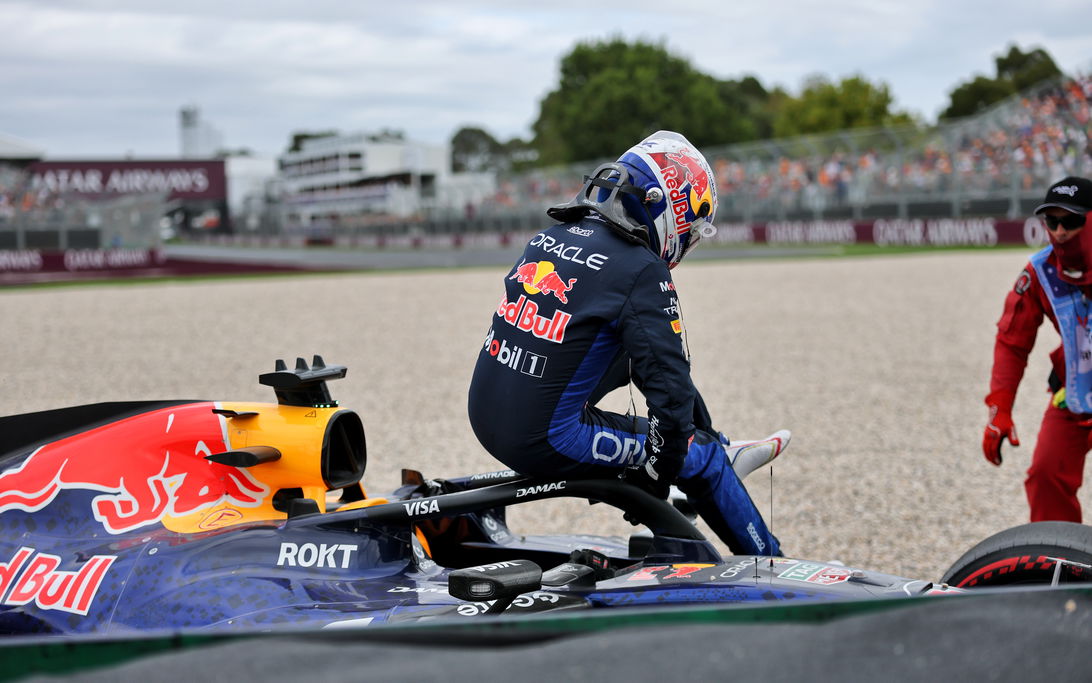
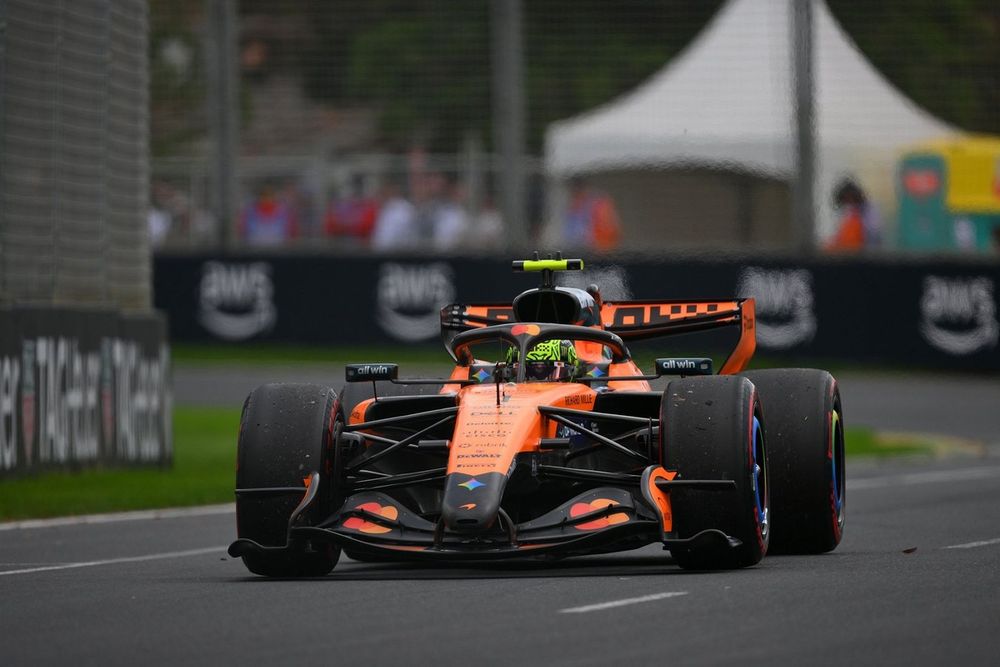
Formula 1 drivers have launched a fierce and unified critique of the sport's 2026 regulations following the season-opening Australian Grand Prix, with McLaren team principal Andrea Stella acknowledging the Albert Park circuit "definitely exposes some of the weaknesses" in the new power unit rules. The core complaint centers on drivers being forced to radically alter their driving style to manage electric energy, leading to what Lando Norris called a shift from "the best cars ever to probably the worst."
Why it matters:
The driver backlash strikes at the heart of Formula 1's identity, questioning whether the pursuit of advanced hybrid technology and sustainability is compromising the fundamental spectacle and driver skill that defines the sport. If the best drivers in the world feel the cars are a step backward and unenjoyable to drive, it risks alienating fans and undermining the competitive purity that has fueled F1's recent global growth.
The details:
- Drivers Break Their Silence: After initial simulator warnings and winter testing concerns, drivers used the Melbourne weekend to voice major reservations publicly. Criticism came from a broad coalition including Norris, Oscar Piastri, Ferrari's Charles Leclerc, Lewis Hamilton, and longtime skeptic Max Verstappen.
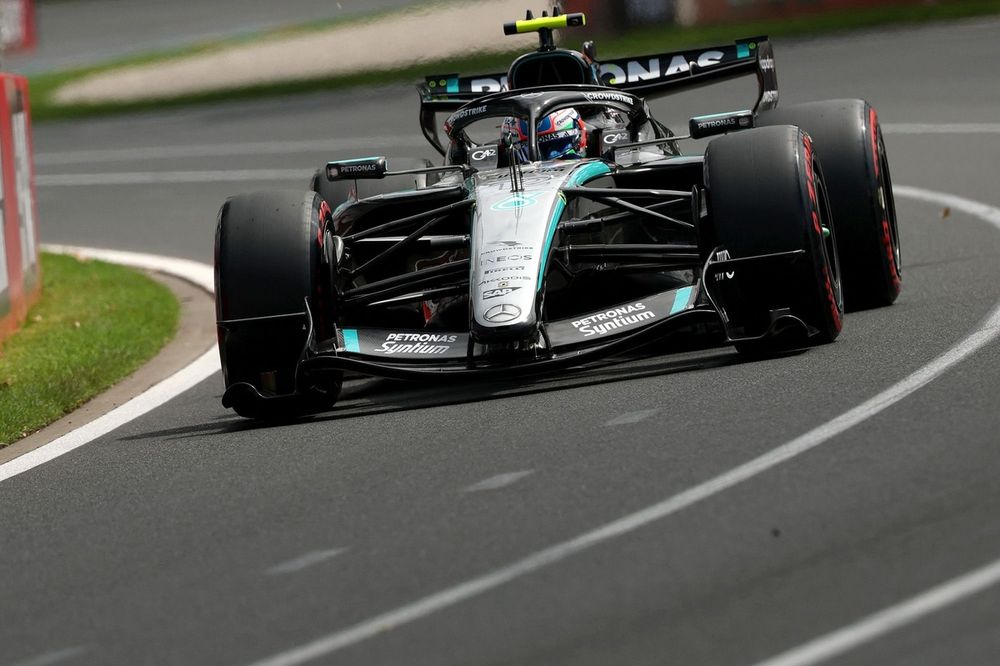
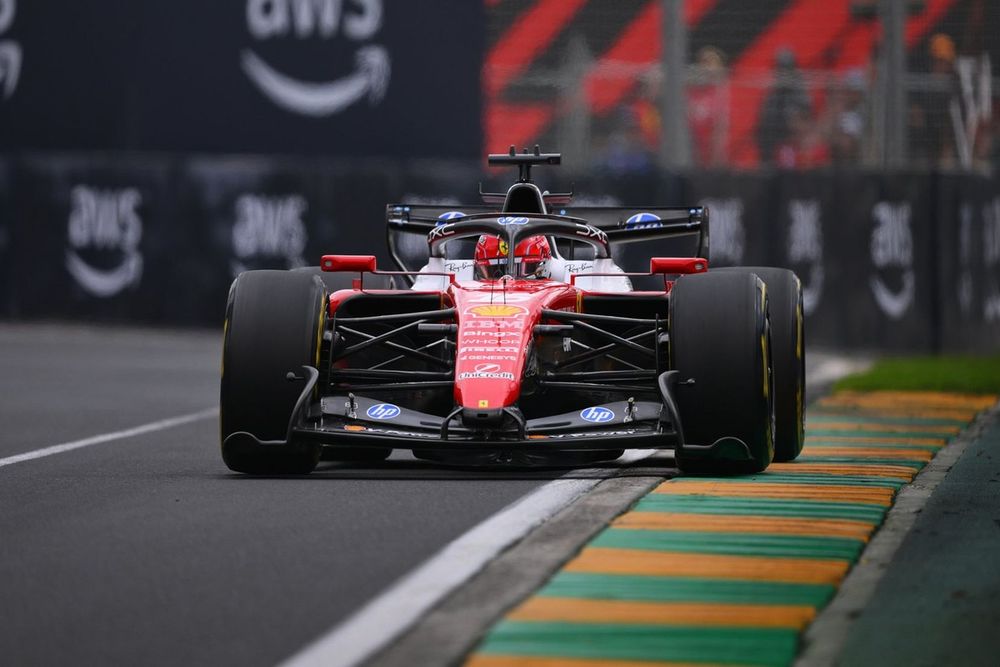
- The Driving Compromise: The 2026 rules mandate aggressive energy harvesting. At Albert Park—a circuit with few heavy braking zones—this forces drivers to engage in excessive "lift and coast" (reportedly three times per qualifying lap) and "super clipping," where the battery is recharged at full throttle, dramatically reducing top speeds on straights.
- Stella's Analysis: The McLaren boss confirmed the circuit exposes a structural flaw: the high rate of power deployment depletes the battery quickly, making performance overly sensitive to harvesting techniques. He noted this forces drivers to focus on energy management over exploiting grip, a skill outside their traditional racing expertise.
- Circuit Specifics Amplify Issues: Stella contrasted Albert Park with the winter test venue in Bahrain, noting the latter does not reveal the harvesting limitations as dramatically. Melbourne's layout, particularly the flat-out run to Turn 9 where cars now slow dramatically, turned a fearsome section into a neutered sequence.
What's next:
The immediate focus is on gathering more race data, with China's Shanghai International Circuit—another track expected to be tricky for energy management—providing the next critical test. Stella, who has previously suggested technical tweaks, indicated the consensus is to wait a few races before considering adjustments. The goal will be to find a regulatory balance that retains the entertainment value and the DNA of driving an F1 car, ensuring drivers can race at the limit rather than being preoccupied with battery management.
Original Article :https://www.motorsport.com/f1/news/stella-very-dramatic-australia-exposes-weakne...