



McLaren's Australian GP Deficit Exposes Complex Customer Team Challenges
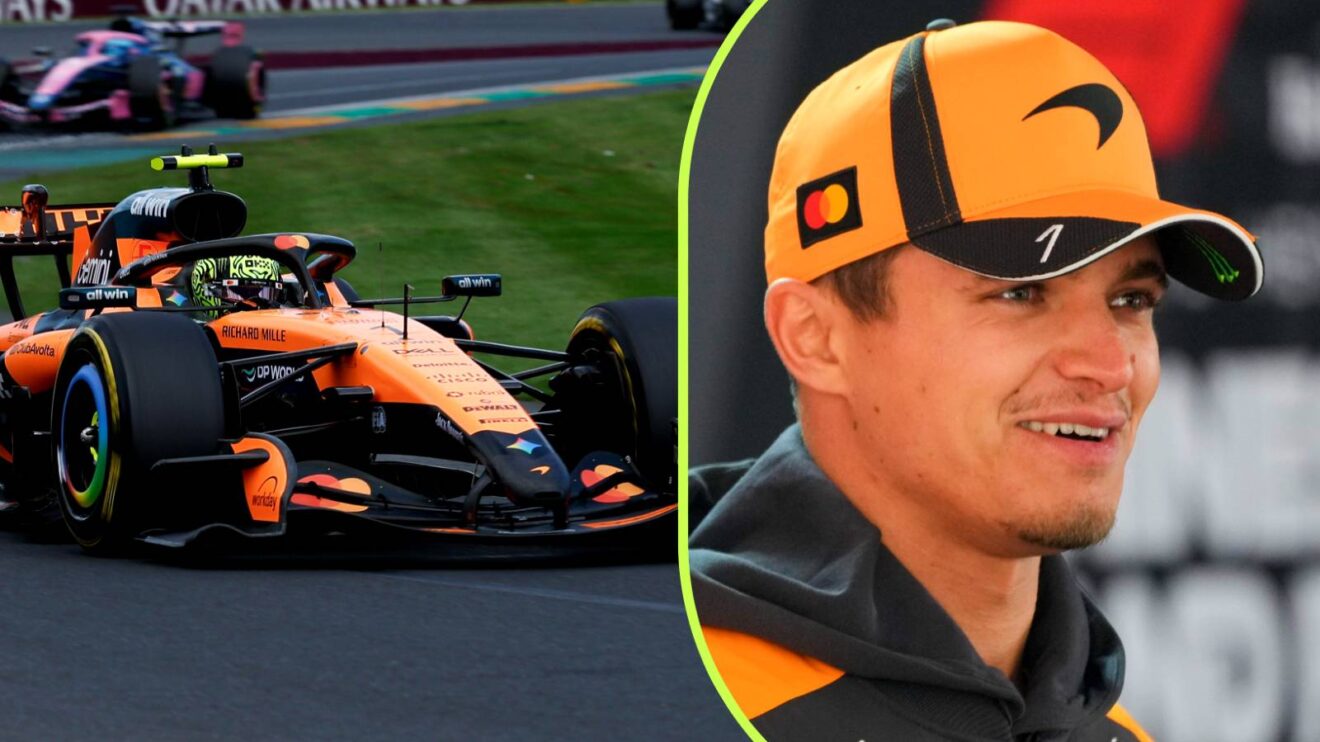
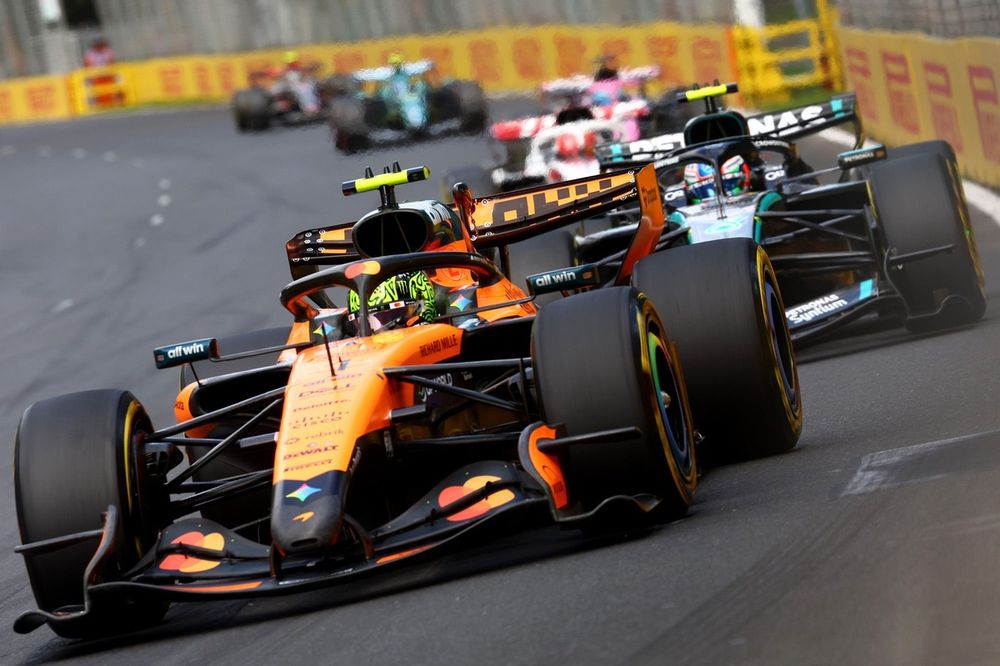
McLaren emerged as one of the biggest disappointments from the Australian Grand Prix, finishing over 50 seconds behind race-winner George Russell and significantly off the pace of fellow Mercedes customer team, Mercedes itself. The performance gap highlights a complex new challenge for customer teams in the 2026 technical era, where optimizing the hybrid power unit's complex energy management has become as critical as raw horsepower, and initial knowledge gaps can lead to substantial on-track deficits.
Why it matters:
The growing performance chasm between Mercedes and its customers, particularly McLaren, signals a potential shift in the competitive dynamic under the new regulations. It underscores that simply having the same engine hardware is no longer enough; deep, proprietary software knowledge and integration strategies are now key differentiators. This reality puts customer teams at a strategic disadvantage early in a new cycle and validates the long-term vision of teams like Red Bull and Aston Martin in securing full works partnerships.
The details:
- The Performance Gap: Lando Norris finished 51.741 seconds behind the winning Mercedes, with GPS data revealing speed deficits of up to 10 kph on Melbourne's straights—a loss equating to roughly four-tenths of a second in a single sector.
- Hybrid System Mastery: The primary advantage appears to be Mercedes' superior understanding of the 2026-spec hybrid system. With a battery that charges and discharges cyclically, optimal deployment and harvesting strategies are crucial. Incorrect modeling can cost several tenths per lap.
- Mercedes, as the manufacturer, has years of accumulated software knowledge and usage models tailored to different tracks, which it is not obliged to fully share with customers like McLaren and Williams.
- McLaren's Specific Choices: The team's technical decisions have compounded the issue. McLaren runs significantly shorter gear ratios than Mercedes, leading to earlier shifts and different engine speed profiles, which in turn affects how the hybrid system operates.
- Underlying Car Issues: Team Principal Andrea Stella confirmed the deficit is not solely power unit-related. The MCL40 also lacks downforce compared to the Mercedes W17 and is currently overweight. These factors reduce grip, increase tire graining, and create a cascading effect that hampers overall performance.
What's next:
McLaren faces a multi-faceted development challenge to close what Stella estimates as a 0.5 to 1-second performance gap. The team must rapidly decode the optimal power unit usage patterns, while also working in parallel to shed weight and add downforce to the MCL40. The situation serves as a stark reminder of the heightened complexity for customer teams in the new era and raises the question of how quickly—and at what resource cost—they can bridge the knowledge gap with the manufacturer. The coming races will be a critical test of McLaren's analytical and developmental prowess.
Original Article :https://www.motorsport.com/f1/news/why-mclarens-performance-deficit-to-mercedes-...