





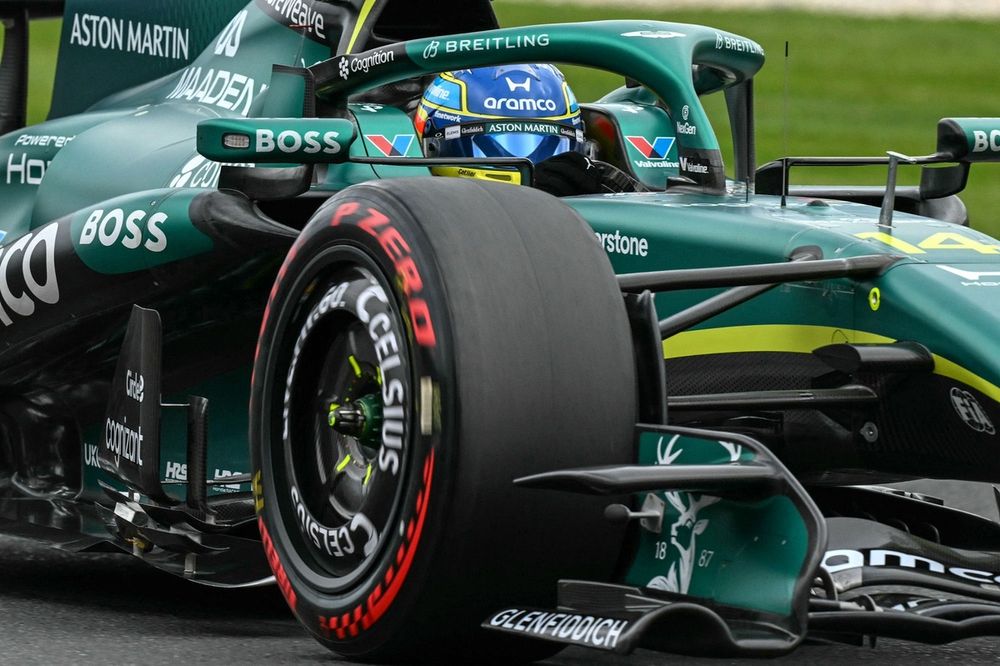
Alonso: F1's Greatest Corners Now About 'Harvesting Battery' in 2026 Era
Fernando Alonso says the fundamental challenge of driving a Formula 1 car has shifted from attacking iconic high-speed corners to managing energy, describing a move from drivers "fighting for their lives" to "harvesting battery." The Aston Martin driver's comments highlight a key philosophical divide in the paddock over the 2026 technical regulations, which prioritize electrical power and energy recovery. His team's own season is being crippled by severe reliability issues, leaving them desperately short of on-track mileage to understand their new car.
Why it matters:
Alonso’s perspective cuts to the heart of a debate about the soul of modern F1. The 2026 rules, designed to be more sustainable and road-relevant, have made energy management the paramount skill, potentially at the expense of the pure, visceral cornering challenges that defined previous eras. This shift is forcing veteran drivers to redefine their craft, while teams like Aston Martin face a compounding disadvantage if they can’t even run their cars reliably to learn the new systems.
The details:
- A Changed Philosophy: Alonso pinpointed specific corners like Turn 12 in Bahrain and 130R at Suzuka that were once ultimate tests of bravery and car control. He stated drivers now use those same sections primarily to regenerate battery energy, not to maximize lap time.
- New Driving Techniques: The 2026 power units require aggressive energy harvesting. This means drivers must now lift, coast, and even downshift on straights—actions previously reserved for saving fuel and tires—to feed the hybrid system.
- A Split Grid: Alonso acknowledged the grid is divided on whether this new challenge is "more fun or less fun," but he personally prefers the older, corner-attacking style he grew up with.
- Aston Martin's Crisis: Alonso's challenge is magnified by Aston Martin's dire situation. Severe vibrations from the Honda power unit have caused repeated battery failures.
- The team arrived at the Australian Grand Prix with zero spare batteries, forcing both cars to retire.
- Alonso estimates rivals have completed up to ten times more testing laps since pre-season, leaving his team "at square one" in understanding their car's chassis and setup window.
What's next:
The immediate focus for Aston Martin is survival and data collection. For Alonso, a positive Chinese Grand Prix weekend simply means completing laps without issues to begin closing the vast knowledge gap. The broader question for F1 is whether this trade-off—sacrificing some traditional driving spectacle for a more technologically advanced formula—will resonate with purists and new fans alike as the 2026 season unfolds.
Original Article :https://www.motorsport.com/f1/news/how-the-challenge-of-f1s-toughest-corners-has...